

Not be allowed to air during the upcoming Ramadan season
Ban on TikTok star sparks casting debate in Egyptian TV drama
The “Rouh Off” case has reignited discussion nationwide about the balance between traditional artistic training and the influence of social media fame in contemporary Egyptian media.
Friday 06/02/2026
Not be allowed to air during the upcoming Ramadan season
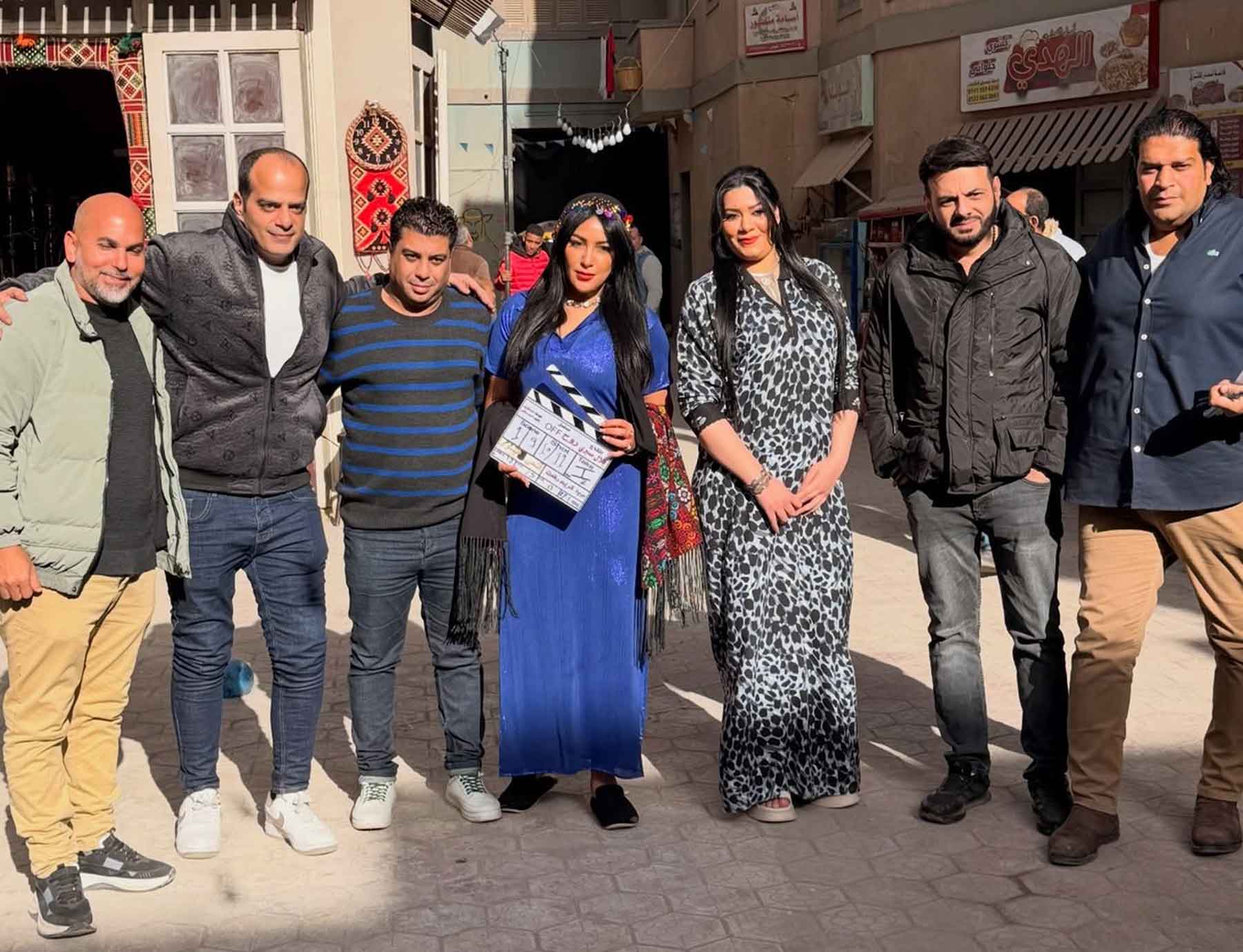
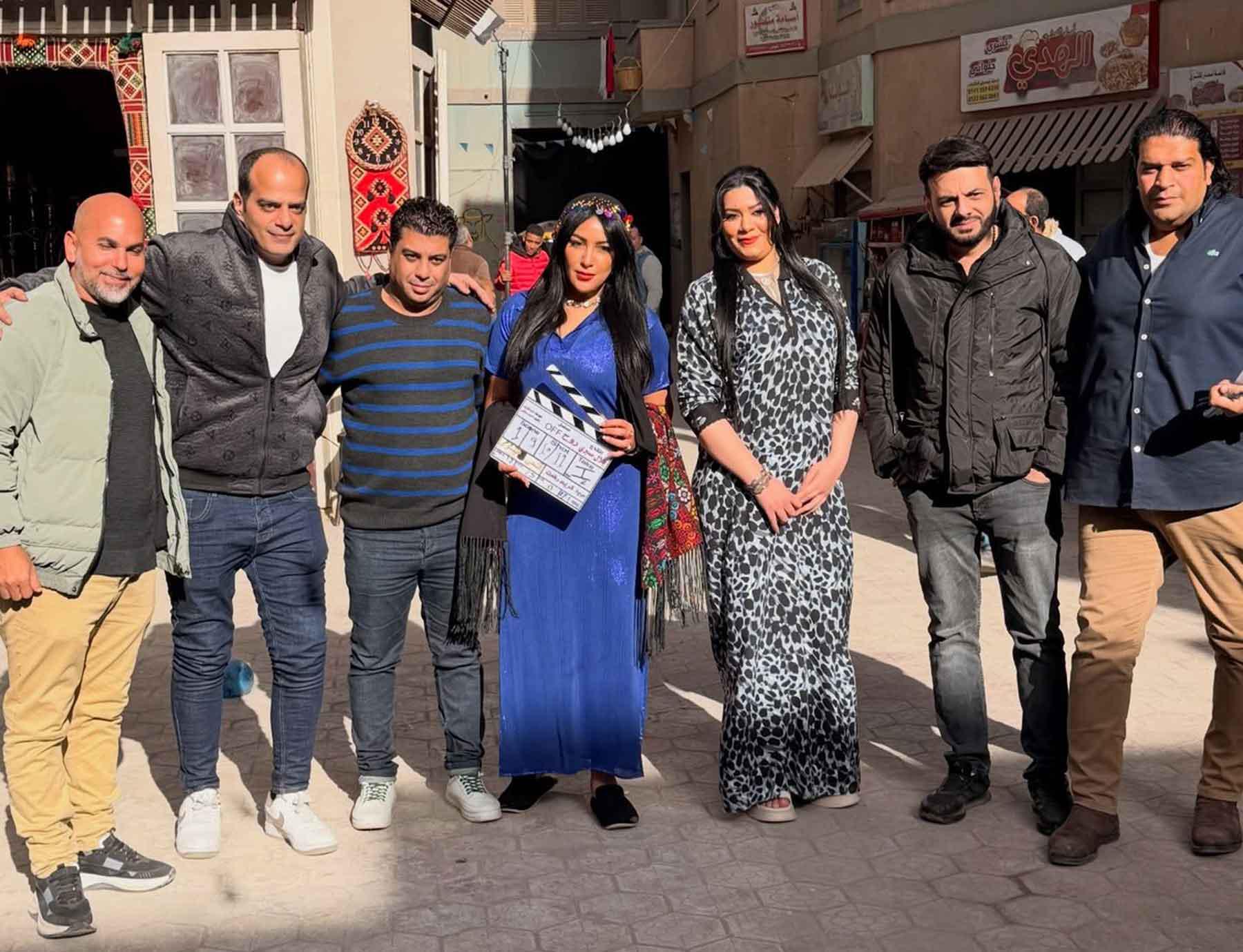
CAIRO – The recent controversy surrounding the Egyptian series “Rouh Off” and its inclusion of social media influencer Om Gasser has reignited debate over the role of online celebrities in mainstream entertainment. The Actors’ syndicate (Syndicate of Artistic Professions) insists its strict rules, which bar social media stars from acting without formal training or official guild membership, are essential to protect the profession. However, some directors and content creators argue that the restrictions are overly rigid and unfair.
The dispute escalated after the syndicate announced that “Rouh Off” would not be allowed to air during the upcoming Ramadan season. Actor and syndicate head Ashraf Zaki clarified that the production could resume immediately, but only if Om Gasser was removed from the cast and the team adhered to guild regulations.
Zaki stressed in press remarks that the syndicate’s decision was not antagonistic toward the series itself but was a matter of enforcing existing rules without exception.
Producer Bilal Sabry responded to the ban by reaffirming his position, stating via Facebook that he was unshaken and had other projects lined up for Ramadan. He also confirmed to reporters that he would not delete Om Gasser’s scenes, noting that she appears in only two short segments portraying a character who creates TikTok content.
Supporters of the guild’s decision argue that it safeguards the integrity of Egyptian art against what they see as the growing influence of digital fame. They contend that some directors are using social media personalities primarily to attract views rather than to enhance the artistic quality of their productions, which they say undermines the country’s cinematic and television heritage.
Critics, however, including prominent art critic Tarek El-Shennawi, call the policy “arbitrary and counterproductive.” Shennawi told reporters that guild interventions like Zaki’s, which penalise productions featuring influencers, are “dictatorial” and infringe on directors’ creative freedom. He added that such measures will not resolve issues like unemployment among professional actors, as these challenges stem from broader structural factors rather than the rise of social media personalities. He urged the syndicate to focus instead on creating a healthier professional environment and promoting qualified actors who are currently underrepresented in productions.
The Actors’ syndicate’s stance stems from a broader policy adopted in July 2025, which prohibits social media stars without academic or guild credentials from participating in artistic productions. Zaki justified the policy by highlighting that trained actors have devoted years to studying their craft and that the profession should not be overshadowed by influencers or TikTok personalities.
The policy first sparked controversy after actor Medhat Tekha publicly opposed featuring a TikTok star whose content he deemed inappropriate and misaligned with the traditions of the acting profession. Tekha argued that showcasing social media personalities undermines the efforts of academically trained actors who have long contributed to Egypt’s cultural heritage.
The “Rouh Off” case, however, has reignited discussion nationwide about the balance between traditional artistic training and the growing influence of social media fame in contemporary Egyptian media. While the syndicate defends its rules as protecting the profession, producers, critics and fans continue to debate whether these regulations reflect the evolving nature of the entertainment industry or impose unnecessary restrictions on creative freedom.