

One of Trump’s most reliable men
Concerns grow over US role in entrenching Libya’s divisions
Libyan experts warn that US moves may have inadvertently strengthened local powerholders rather than fostering national cohesion.
Friday 30/01/2026
One of Trump’s most reliable men
TRIPOLI – As the United States steps up its engagement in Libya, questions are emerging about whether Washington’s involvement is genuinely aimed at national unity, or if it risks entrenching the country’s long-standing political divisions.
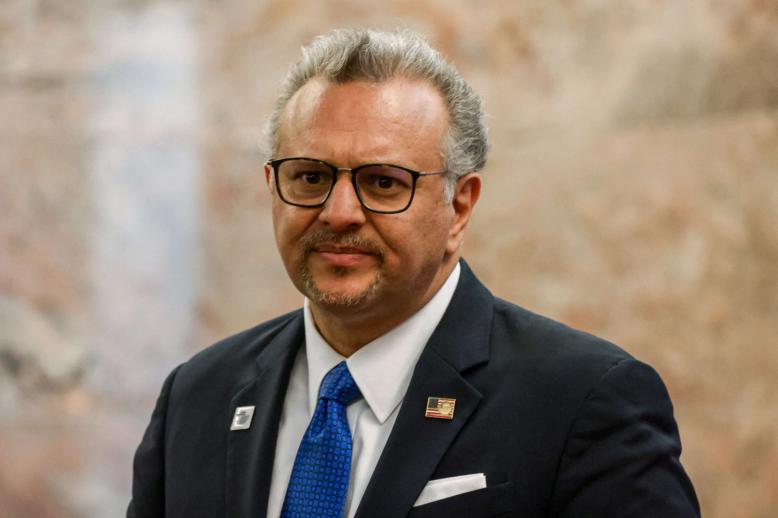
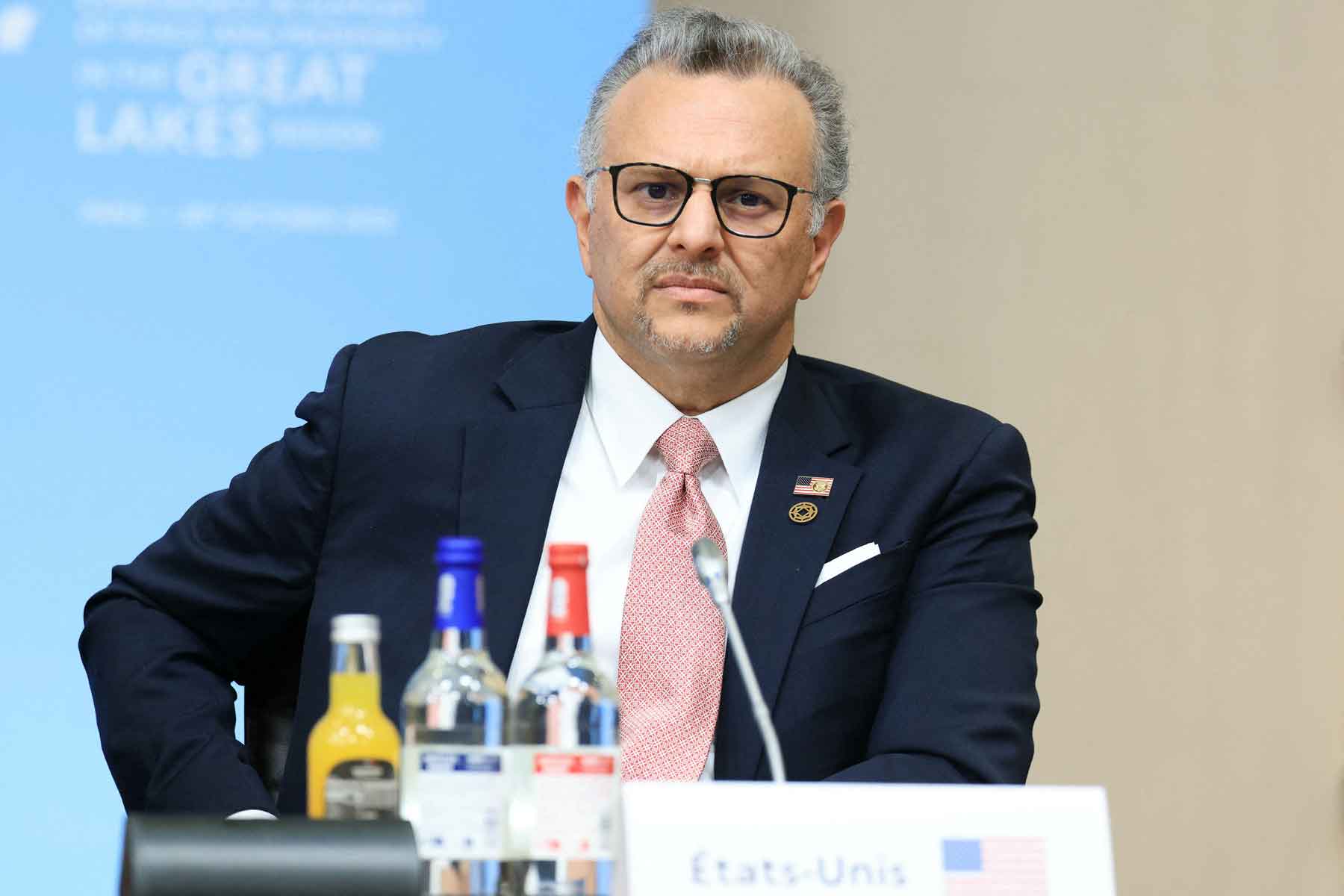
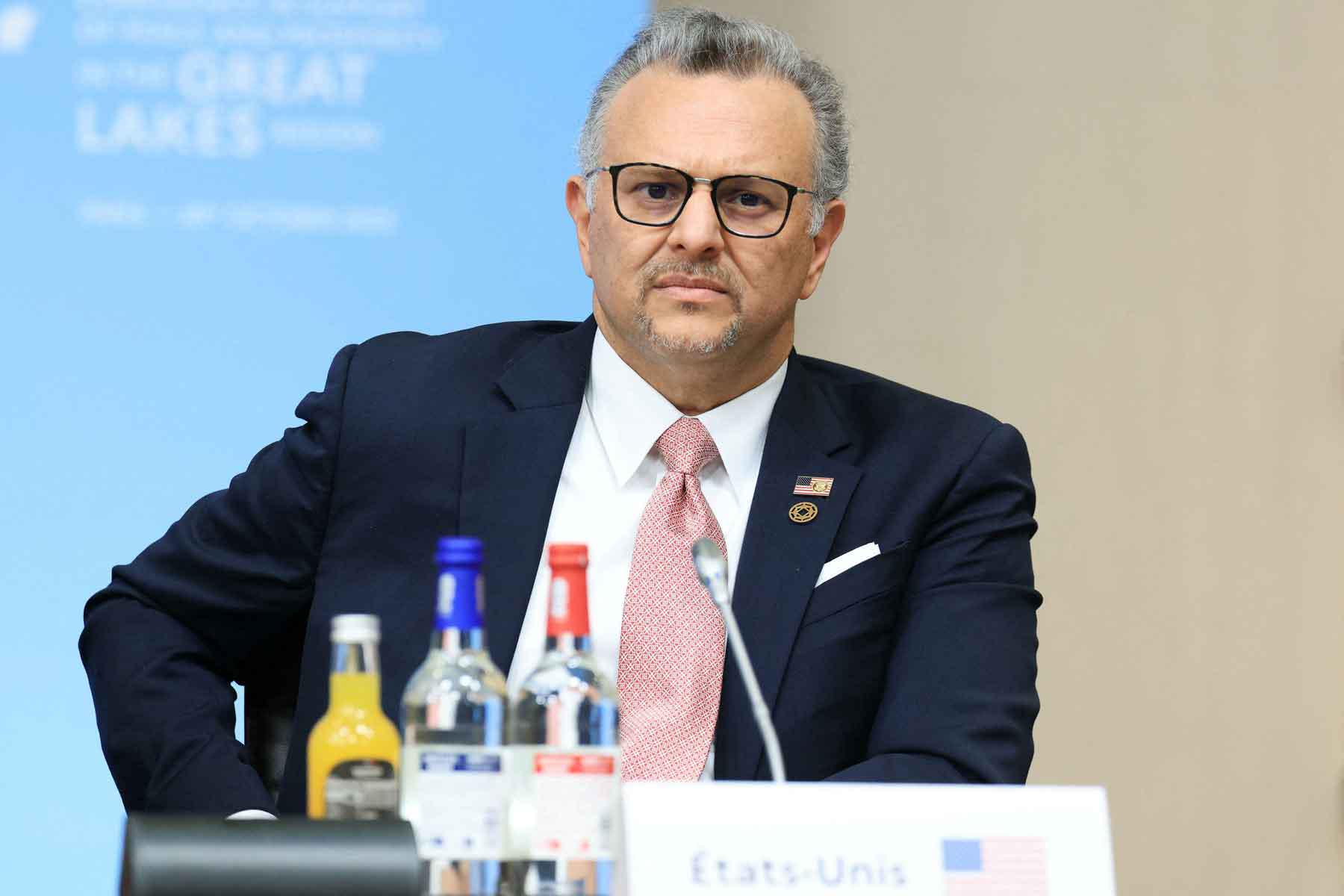
The US, officially committed to helping reunify Libya’s institutions, has engaged through Massad Boulos, Donald Trump’s senior adviser on Arab and Middle Eastern affairs.
Boulos visited Libya for the first time on July 23, 2025, and since then has facilitated a series of economic agreements and understandings with the country’s rival factions. Libyan experts warn that these moves may have inadvertently strengthened local powerholders rather than fostering national cohesion.
Libya remains divided between two governments: the internationally-recognised Government of National Unity, led by Abdulhamid Dbeibeh and based in Tripoli, which controls western Libya, and the eastern administration, appointed by the House of Representatives in early 2022 and headed by Osama Hammad, which oversees the east and much of the south.
For years, the United Nations has sought to bridge the gap between Libya’s institutions to enable parliamentary and presidential elections, which Libyans hope will restore institutional unity and end the prolonged transitional period.
Ali Mohammed, a Libyan writer and analyst, said that US involvement intensified after Trump assumed office in January 2025. “Trump entrusted the Libyan file to one of his most reliable men, his son-in-law Massad Boulos,” he noted.
“Boulos met all factions east and west and reached agreements. With Washington as the world’s most powerful ally, any agreement inevitably strengthens the local party involved.”
Mohammed described this US approach as effectively entrenching the political divide.
“Each side now feels stronger than before and less inclined to unite with the other or make concessions. The question is whether this represents a deviation from the stated US goal of unifying Libya’s institutions or a deliberate attempt to cement the division,” he said.
Messaoud Toumi, a foreign affairs researcher, echoed these concerns, suggesting Washington’s intentions may not be entirely altruistic. “Yes, the United States seeks to unify Libyan institutions, but the goal is not in the Libyan interest. It is about controlling these institutions for American objectives,” he said.
Toumi outlined two primary US objectives in Libya under Trump’s administration: first, neutralising Washington’s traditional rival, Moscow, in the Libyan file; second, securing influence over Libya’s vast oil reserves. Libya holds the second-largest proven oil reserves in Africa, estimated at 48.4 billion barrels, placing it among the world’s top ten countries in terms of reserves, according to OPEC.
“Most agreements announced between the United States and Libya focus on energy and oil,” Toumi said. He cited a deal announced last Tuesday between the Libyan oil and gas company Zallaf and the US firm KBR, which will provide technical support and project management for the southern Libya refinery project starting February 2026.
US involvement also includes the deployment of advanced technologies. Steve Gassen, executive vice president of geographies at US oilfield services company SLB, told the Libya Energy & Economic Summit 2026 in Tripoli that “plans are underway to implement advanced technology, artificial intelligence, and production-enhancement techniques in Libya this year to support the Libyan National Oil Corporation’s target of increasing output to 1.6 million barrels per day by year-end.”
Libyan experts argue that while Washington’s stated goal is institutional unification, the practical effect may be the consolidation of American influence over strategic sectors, particularly oil, while leaving the country politically fractured.