
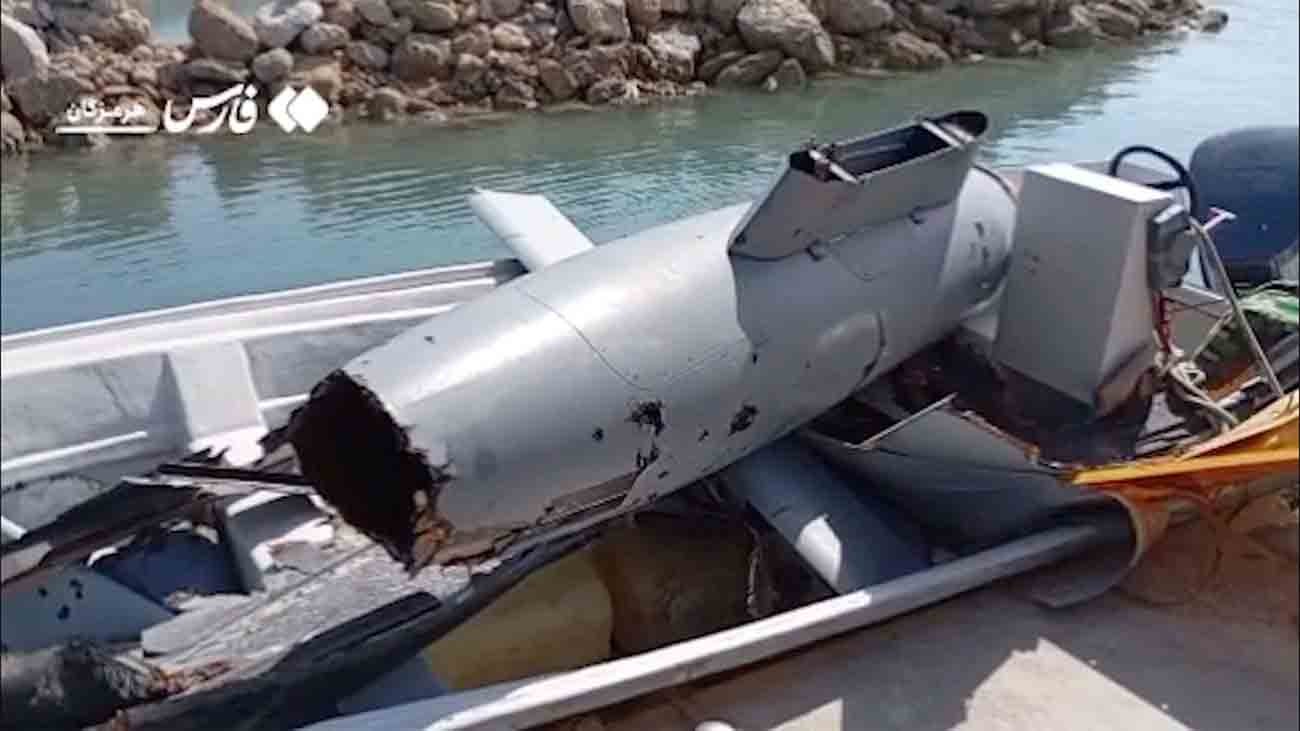
The latest round of attacks has reinforced concerns that military escalation is increasingly overshadowing diplomacy
Diverging Allies: Is Israel driving America toward endless conflict with Iran?
Despite repeated international appeals for restraint, the cycle of strikes and counterstrikes continues to expand, raising questions about the effectiveness of a strategy that relies primarily on force.
Friday 12/06/2026
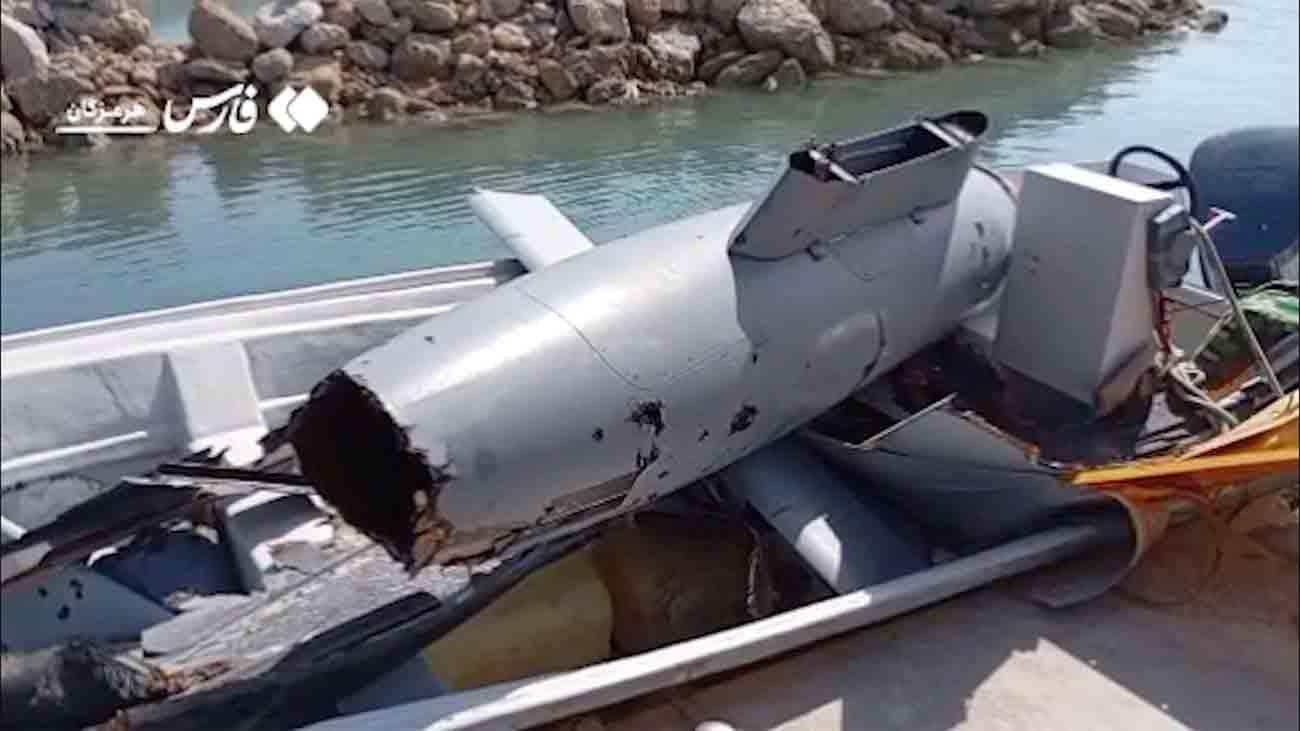
The latest round of attacks has reinforced concerns that military escalation is increasingly overshadowing diplomacy
The latest exchange of attacks between Israel and Iran, accompanied by renewed diplomatic efforts to prevent a wider regional war, has once again exposed the volatility of the Middle East’s security landscape. While attention remains focused on missiles, military strikes and ceasefire pressures, a deeper question is emerging beneath the surface of the crisis.
As the confrontation continues to evolve, are the United States and Israel still pursuing the same strategic objective toward Iran, or are important differences beginning to shape the direction of the conflict? The answer may determine whether the region moves toward de-escalation or becomes trapped in an open-ended cycle of confrontation.
The latest round of attacks has reinforced concerns that military escalation is increasingly overshadowing diplomacy.
Despite repeated international appeals for restraint, the cycle of strikes and counterstrikes continues to expand, raising questions about the effectiveness of a strategy that relies primarily on force. The persistence of this approach has deepened regional instability, increased the risk of a wider war, and strengthened the perception that military pressure has become an objective in itself rather than a means to a political settlement.
Publicly, both governments continue to present a united front. They speak the language of security cooperation, deterrence and regional stability. But beneath those official statements lies a growing divergence. Washington appears increasingly concerned with containing escalation, while Israel seems convinced that only sustained pressure and prolonged confrontation can reshape the regional balance of power.
This difference matters. It could determine whether the region moves toward de-escalation or sinks deeper into permanent instability.
For Israel, the confrontation with Iran is not simply another regional crisis. Israeli security doctrine has long viewed Iran as the central long-term threat to its strategic dominance in the Middle East. Tehran’s missile capabilities, regional alliances and expanding influence are seen by Israeli policymakers as an unacceptable challenge that cannot be managed through temporary truces or diplomatic ambiguity.
As a result, many influential voices inside Israel argue that pressure on Iran should not be reduced prematurely. From this perspective, ceasefires and negotiations merely allow Tehran to regroup politically and militarily. This explains why periods of diplomatic engagement between Washington and Tehran are often met with visible Israeli discomfort.
Benjamin Netanyahu’s political position also shapes this dynamic. Israel is experiencing deep domestic polarization, public distrust and growing international criticism following the wars in Gaza and the broader regional escalation. In such an atmosphere, security crises can become politically useful. A permanent state of confrontation shifts public attention away from internal fractures and reinforces the image of leadership under siege.
This does not mean Israel alone controls American policy, as simplistic narratives often suggest. The United States has its own strategic calculations and military priorities. However, the structure of the alliance creates powerful momentum toward escalation. Israeli pressure, lobbying networks, intelligence coordination and political influence inside Washington all contribute to shaping the American response.
At the same time, the United States faces a very different strategic reality from Israel’s.
Washington is already stretched across multiple geopolitical fronts. The war in Ukraine continues to consume resources and political attention. Competition with China remains America’s primary long-term strategic challenge. Meanwhile, instability in the Red Sea and tensions around Taiwan have increased fears of simultaneous global crises.
Under these conditions, a prolonged confrontation with Iran threatens to become a strategic burden rather than a strategic victory.
Many American officials understand the risks clearly. Another open-ended conflict in the Middle East could damage the global economy, destabilize energy markets and deepen anti-American sentiment across the region. It could also undermine Washington’s attempt to shift military and economic focus toward Asia.
Yet America now appears trapped between two contradictory objectives. On one hand, it wants to avoid full-scale regional war. On the other, it continues to respond militarily to each escalation cycle alongside Israel. This contradiction has produced a dangerous pattern: diplomacy and military escalation are now unfolding simultaneously.
The result is an “escalation trap”.
Each strike increases the likelihood of retaliation. Each retaliation generates pressure for another response. Over time, military action begins to replace political strategy itself. Leaders become prisoners of momentum rather than architects of a coherent endgame.
This is precisely what makes the current crisis so dangerous. Neither side appears capable of achieving decisive victory, yet neither side is willing to absorb the political cost of stepping back.
The consequences extend far beyond Iran and Israel.
Across the Gulf, Arab states increasingly fear becoming collateral victims of a conflict they do not control. Many Gulf governments have spent years attempting to reduce tensions with Tehran because they understand that regional instability threatens their economic transformation projects. Massive investments, tourism ambitions and technological development all depend on stability, not permanent confrontation.
The crisis is also accelerating larger geopolitical shifts. China has positioned itself as a cautious diplomatic actor while avoiding direct military involvement. Beijing benefits from portraying itself as a force for economic connectivity and de-escalation, especially compared to Washington’s expanding military footprint. Russia, meanwhile, sees strategic advantage in prolonged American distraction in the Middle East.
The wider Global South is also watching closely. In many countries, the repeated use of military force despite ongoing diplomatic efforts reinforces the perception that international law is applied selectively. This perception further weakens trust in the so-called “rules-based international order”.
Perhaps the most alarming reality is that the current conflict no longer appears driven by a clear political vision. Instead, it is increasingly sustained by fear, mistrust and strategic inertia. Israel fears that de-escalation will strengthen Iran. The United States fears appearing weak if it limits support for its ally. Iran fears that compromise will invite further pressure. Each actor sees escalation as dangerous, yet also sees retreat as unacceptable.
History shows that such environments are highly unstable. Wars sustained without clear political objectives often evolve into permanent crises with unpredictable consequences.
The question facing Washington today is no longer whether it supports Israel’s security. That alliance remains deeply entrenched. The real question is whether America still controls the direction of the confrontation — or whether it is being pulled into an open-ended regional conflict shaped increasingly by Israeli strategic priorities rather than its own long-term interests.
That distinction may define the future of the Middle East — and perhaps the future of American power itself.