

Under pressure
Drone attack on Saudi Arabia presents early test for Iraq’s new PM
The challenge of controlling armed factions remains one of the central tests facing Baghdad’s new leadership
Tuesday 19/05/2026
Under pressure
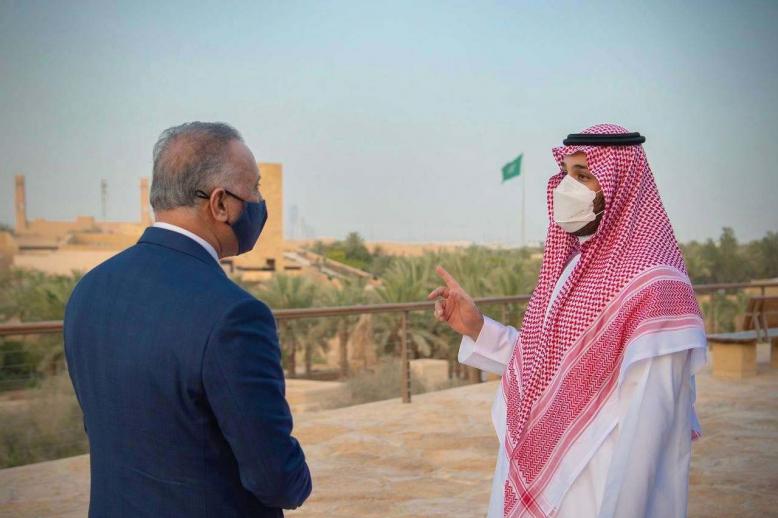
BAGHDAD/RIYADH – Iraq launched urgent security and legal investigations on Monday after Saudi Arabia said it had intercepted three drones entering its airspace from Iraq, in an incident that has increased pressure on Baghdad’s new government to curb Iran-backed militias operating inside the country.
Saudi Arabia’s Defence Ministry said the drones were intercepted and destroyed on Sunday after crossing into the kingdom from Iraqi airspace.
Saudi Arabia “reserves the right to respond at the appropriate time and place,” Defence Ministry spokesman Major General Turki al-Maliki said in a statement.
The incident drew condemnation from Gulf Arab states and raised concerns about renewed regional escalation at a time when Iraq is attempting to strengthen ties with neighbouring Arab countries.
The Iraqi government said it had initiated urgent investigations involving intelligence agencies, the Defence Ministry and the Joint Operations Command to determine whether Iraqi territory had been used to launch the drones.
Officials said radar data and surveillance information were being collected while additional security deployments were sent to western and southern desert regions to prevent further cross-border attacks.
Baghdad said it rejected the use of Iraqi territory as a platform for attacks on neighbouring countries and stressed that Iraq’s national security was closely linked to stability in the Gulf.
The Iraqi Foreign Ministry called for diplomatic solutions and warned against steps that could worsen regional tensions.
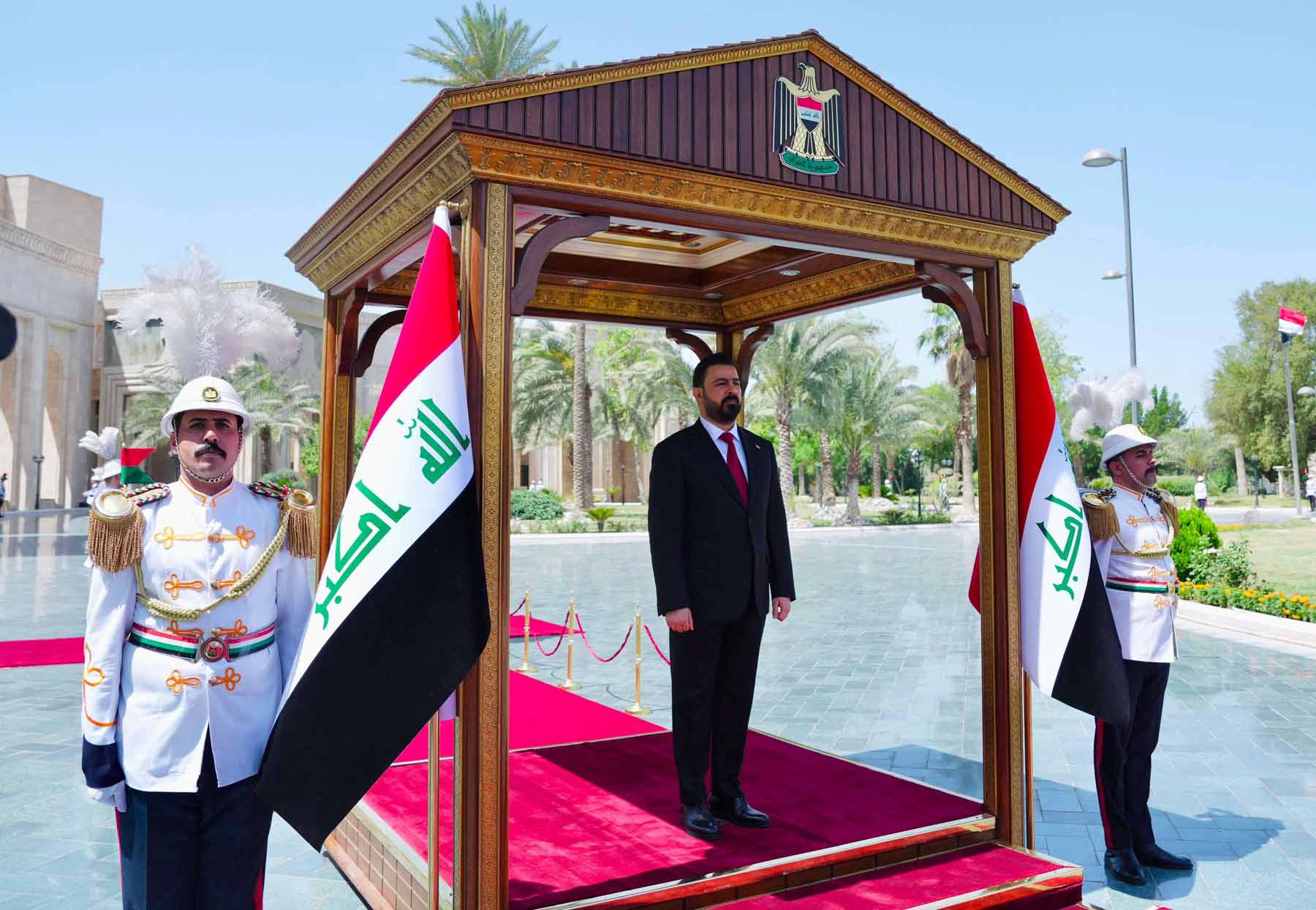
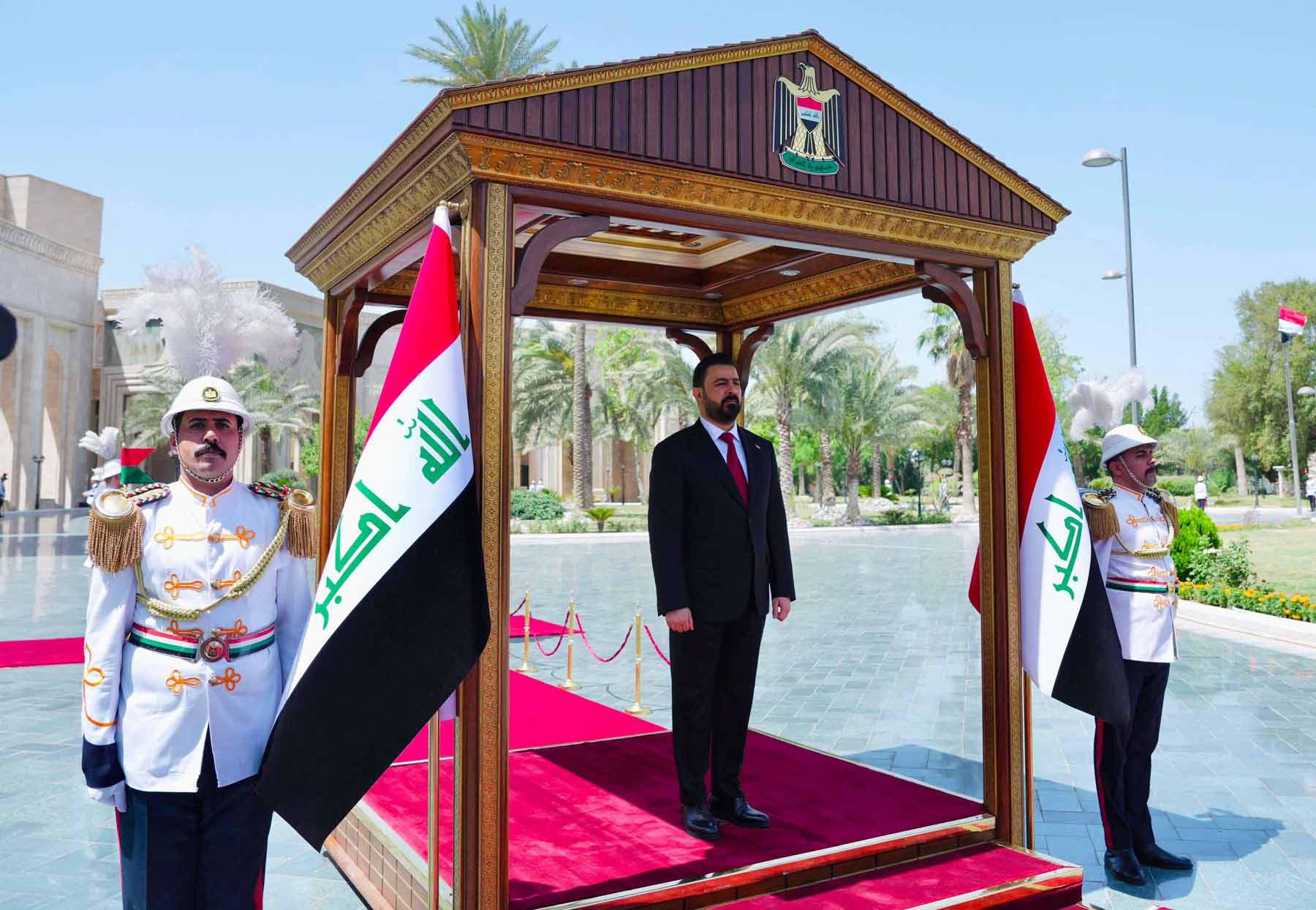
The drone incident has created an early challenge for Iraqi Prime Minister Ali al-Zaidi, who took office with expectations from the United States and some Gulf countries that he would seek to limit the influence of Iran-backed militias and tighten state control over weapons.
Analysts and Iraqi political observers say the attack appeared aimed partly at signalling that the militias remain capable of acting independently despite the arrival of a new government.
Saudi Arabia’s interception of the drones prompted statements of solidarity from the Gulf Cooperation Council, the United Arab Emirates, Qatar, Kuwait, Bahrain, Egypt and Jordan.
GCC Secretary-General Jasem Al-Budaiwi said the attack represented a “flagrant violation” of regional security and reaffirmed that Gulf states stood united alongside Saudi Arabia.
Relations between Iraq and Saudi Arabia have improved in recent years through expanding trade, energy cooperation and border projects, but concerns remain in Riyadh and other Gulf capitals over the influence of armed groups aligned with Iran inside Iraq.
The latest incident also comes after Saudi Arabia summoned Iraq’s ambassador last month over what Riyadh described as repeated drone threats originating from Iraqi territory.
Iraq says it is committed to preventing the country from becoming a base for regional proxy conflicts, but the challenge of controlling armed factions remains one of the central tests facing Baghdad’s new leadership.