


Red Sea security is critical for international trade
Egypt stands firm on Red Sea security amid Israeli encroachment
Egypt’s concern is that a potential Israeli presence in the Bab el-Mandeb Strait could enable the country to influence northbound trade towards the Suez Canal.
Tuesday 10/02/2026
Red Sea security is critical for international trade
CAIRO – Egypt issued a clear and firm warning against any attempts to undermine Somalia’s territorial integrity or to establish a foreign military presence in the Red Sea, a move widely interpreted as a direct message to Israel following its controversial recognition of the breakaway Somaliland region.
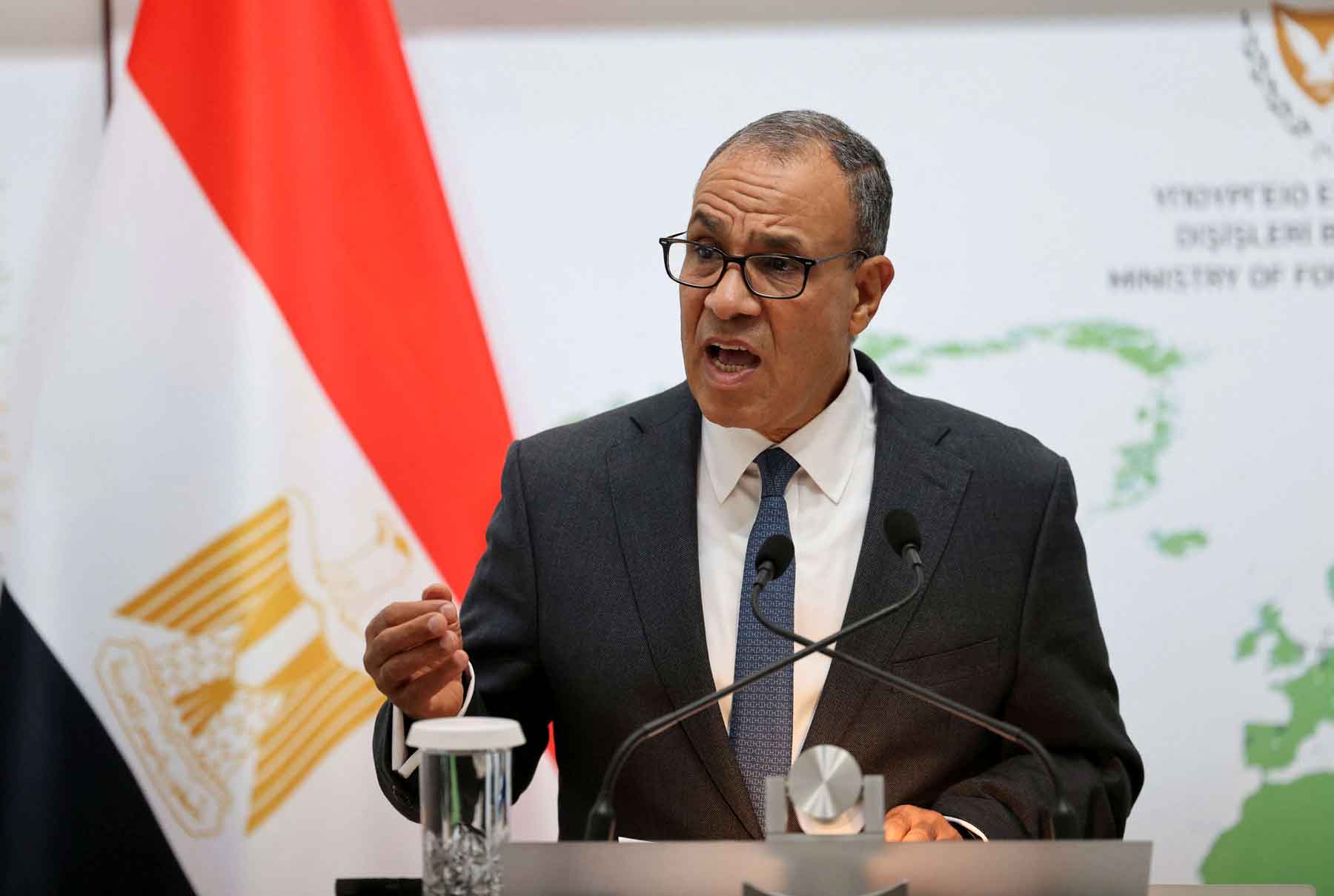
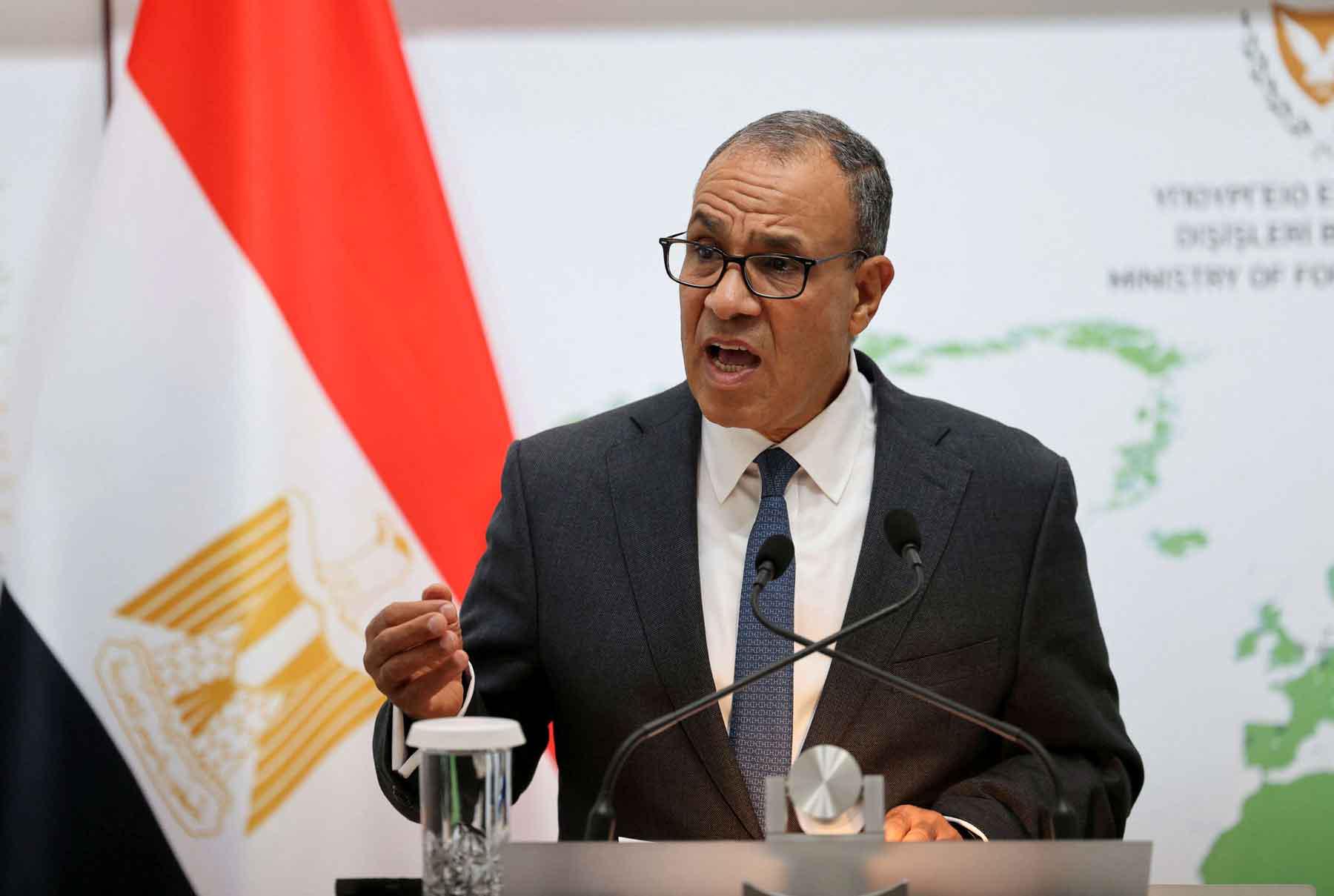
In remarks delivered on Tuesday, Egyptian Foreign Minister Badr Abdelatty emphasised that Cairo will not tolerate changes to the established geopolitical balance in this strategically-vital maritime corridor, asserting that the security of the Red Sea is a matter for Arab and African littoral states alone. Any foreign intervention under the pretext of “protecting navigation” constitutes an unacceptable breach of sovereignty, he stressed.
The minister’s comments follow Israel’s formal recognition of the self-declared state of Somaliland on December 26, a decision that sparked broad regional condemnation. The Arab League described it as “illegal and a threat to international peace and security.”
Abdelatty’s statement comes after Somaliland President Abdirahman Mohamed Abdullahi suggested the possibility of granting an Israeli company access to a local port, citing the territory’s strategic role in ensuring maritime security in the Red Sea amid attacks on Israeli shipping. Egyptian officials view such a move as a potential civilian cover for an Israeli military or intelligence foothold? a scenario Cairo strongly opposes.
“The Red Sea cannot become a theatre for foreign military competition,” the minister said, linking Egypt’s position on Somaliland to its longstanding commitment to safeguarding Sudanese sovereignty and opposing militia-controlled or parallel authorities. Cairo is acutely aware of the risk that fragmentation in Somalia or Sudan could be exploited to establish proxy military presences in the region.
Analysts suggest that Abdelatty’s remarks serve as a declaratory principle, signalling that Egypt may take diplomatic and legal steps to isolate any agreements between Israel and Somaliland. The message is unequivocal: any attempt to grant non-littoral states military influence in the Red Sea will be met with firm political and diplomatic resistance, as such moves directly affect Egypt’s national security and the freedom of navigation through the Suez Canal.
Egypt’s concern is that a potential Israeli presence in the Bab el-Mandeb Strait could enable the country to influence northbound trade towards the Suez Canal, shifting from being a mere user of the maritime route to controlling its southern approaches. This would undermine Cairo’s longstanding strategic leverage over one of the world’s busiest maritime corridors.
Somaliland, which declared independence from Somalia in 1991, functions as a de facto autonomous entity with its own administrative, political, and security structures. However, it remains unrecognised internationally, and the central Somali government has been unable to assert authority over the territory or secure formal independence for the region.
The Egyptian position aligns with the broader approach taken by President Abdel Fattah al-Sisi, who, during talks with Somali President Hassan Sheikh Mohamud, reaffirmed Egypt’s categorical rejection of any actions threatening Somalia’s unity, security or sovereignty. Cairo has pledged ongoing support for Somalia through political, security, and development cooperation, including the deployment of medical convoys and capacity-building initiatives.
Sisi also stressed that littoral states bear primary responsibility for safeguarding the Red Sea and Gulf of Aden, underscoring the importance of coordination to preserve maritime security amid escalating regional tensions.
Cairo’s stance is thus both a show of solidarity with Mogadishu and a strategic move to prevent the emergence of proxy actors that could alter the Red Sea’s security environment, which is critical for international trade, regional stability and Egypt’s national interests.