

The push for greater self-reliance follows years of record imports
Egypt targets wheat self-sufficiency by 2028 in bold food security drive
The country currently needs around 8.6 million tonnes of wheat annually for subsidised bread, according to draft budget figures for 2026–2027.
Wednesday 06/05/2026
The push for greater self-reliance follows years of record imports
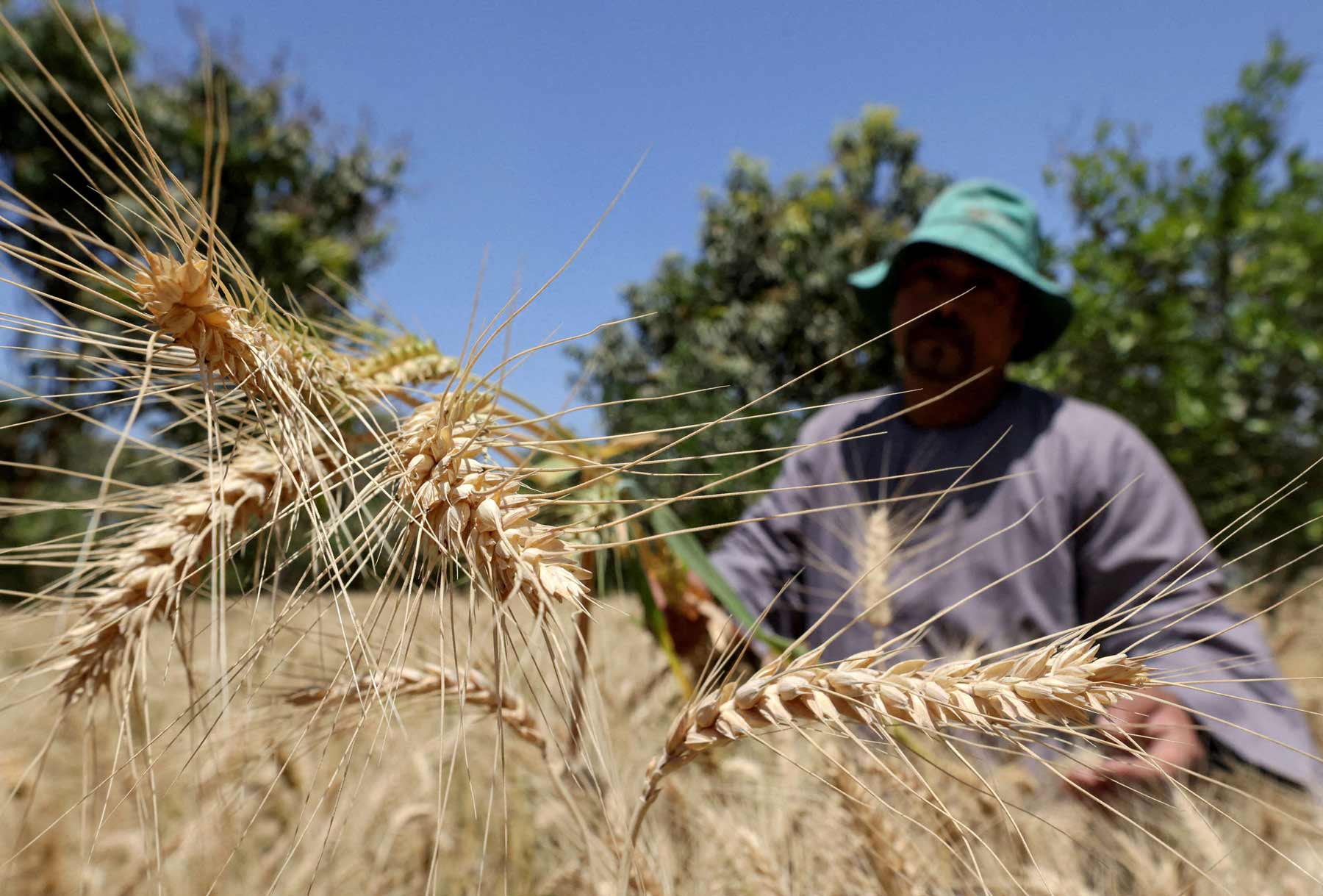
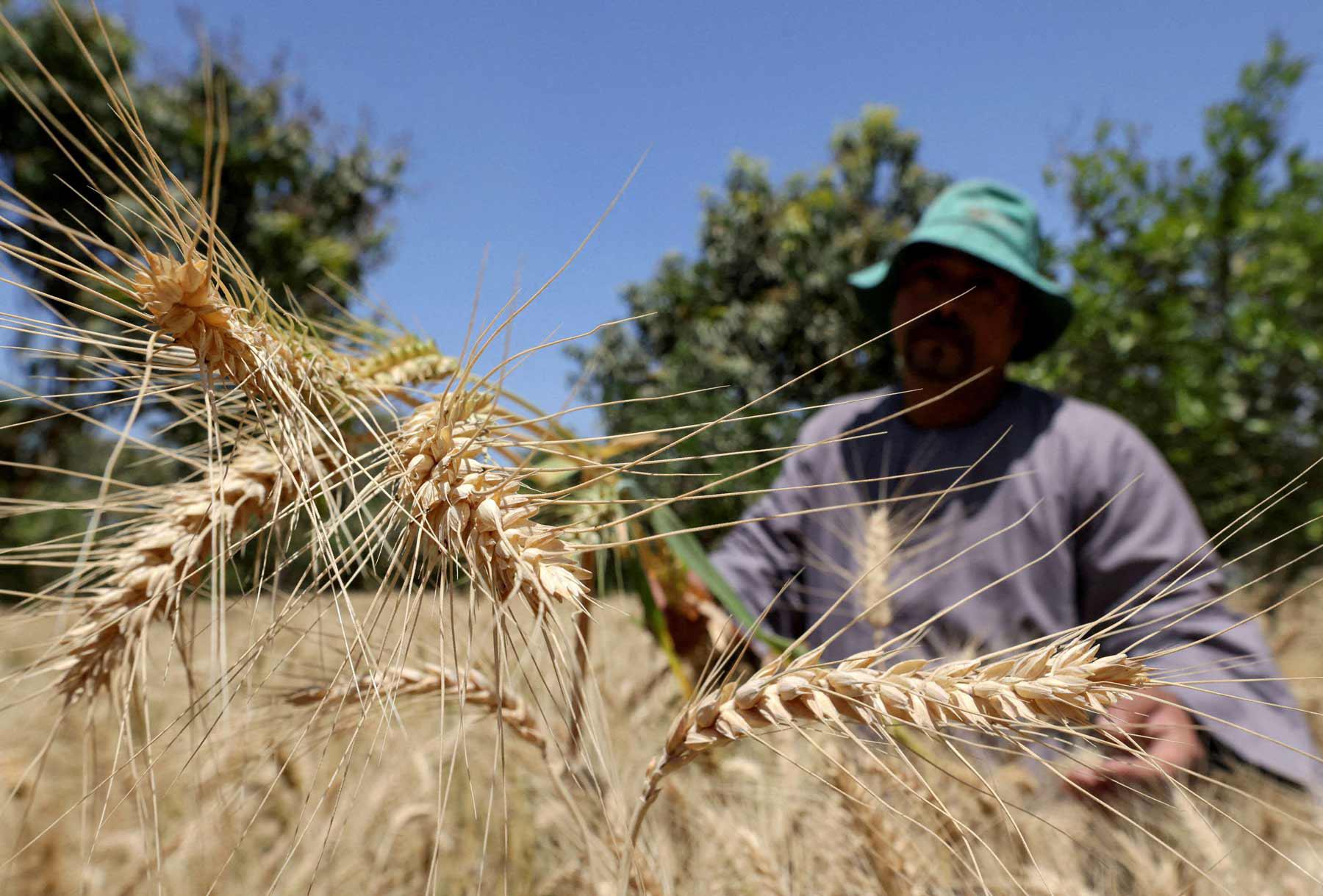
CAIRO – Egypt has set an ambitious target to achieve self-sufficiency in wheat used for its heavily subsidised bread programme by 2028, in a major shift aimed at reducing reliance on volatile global markets and strengthening long-term food security.
Agriculture Minister Alaa Farouk told Reuters that the government aims to reach full self-sufficiency in wheat required for subsidised bread within three years, pushing back an earlier target of 2027.
Egypt, which is often the world’s largest wheat importer, relies heavily on imports to support its vast bread subsidy system, a cornerstone of social stability for tens of millions of citizens.
The country currently needs around 8.6 million tonnes of wheat annually for subsidised bread, according to draft budget figures for 2026–2027. Total national consumption, however, stands at about 20.6 million tonnes per year, with the remainder used by the private sector for food production.
Farouk said Egypt is pursuing a broad strategy to reduce import dependency, including expanding cultivated land, improving yields and adopting modern agricultural technology. The government has also raised procurement prices to encourage farmers to increase local production.
“This season, which began mid-April, the government intends to buy 5 million tons of local wheat,” Farouk said, adding that the state is offering competitive prices to boost domestic supply.
Official data shows procurement has increased compared with last year but remains below 2024 levels. As of Tuesday, Egypt had purchased 1.39 million tonnes of local wheat, up 17 percent year-on-year, but down 13 percent from 1.6 million tonnes over the same period in 2024.
The drive comes as Egypt seeks to strengthen its strategic reserves, which currently cover roughly six months of consumption, and reduce exposure to global price swings driven by climate pressures and geopolitical tensions.
Wheat markets have been particularly volatile, with global futures rising sharply amid conflict-related disruptions, while Egypt continues to face pressure from inflation, currency fluctuations and rising debt levels.
The push for greater self-reliance follows years of record imports and comes as the government reworks its agricultural sector. Cultivated wheat area has expanded to more than 10 million feddans (around 4.2 million hectares), with total cropped area reaching 17.5 million feddans.
At the same time, Egypt has adjusted its procurement strategy, shifting to earlier state purchases to stabilise supply chains and shield the subsidised bread programme from international shocks.
However, the timeline has sparked debate over whether the target is achievable, given structural constraints including water scarcity, climate change risks, and dependence on fertiliser-intensive crops.
The programme remains politically sensitive. The subsidised bread system, which provides millions of Egyptians with low-cost bread, is considered a key pillar of social protection. The government has repeatedly pledged not to raise the subsidised price despite broader inflationary pressures.
In parallel, Egypt is seeking additional external financing to reinforce food security. Reports indicate Cairo is pursuing up to $1.4 billion in funding, including Gulf loans and Islamic finance, to support grain imports and rebuild strategic stocks.
The country has also recently stepped up purchases of wheat on international markets while attempting to balance fiscal pressures and ensure stable domestic supply amid rising global uncertainty.