


A once-in-a-lifetime act of faith and devotion
Hajj begins under blistering heat as worshippers flood Mecca
More than 50,000 medical workers and 3,000 ambulances have been mobilised for the pilgrimage, amid fears of a repeat of last year’s deadly heat emergency.
Monday 25/05/2026
A once-in-a-lifetime act of faith and devotion
MECCA – Vast crowds of Muslim pilgrims are pouring into Mecca for this year’s Hajj pilgrimage, undeterred by soaring temperatures, regional instability and warnings of dangerous heat conditions as Saudi authorities mount a huge operation to protect worshippers.
With temperatures forecast to climb as high as 48 degrees Celsius this week, pilgrims from across the world have continued arriving in Islam’s holiest city to perform one of the faith’s most sacred obligations.
Hajj, one of the five pillars of Islam, is required once in a lifetime for all Muslims who are physically and financially able to undertake the journey. The annual pilgrimage officially runs from May 25 to 30, drawing more than a million worshippers to a series of outdoor rituals centred around Mecca and nearby holy sites.
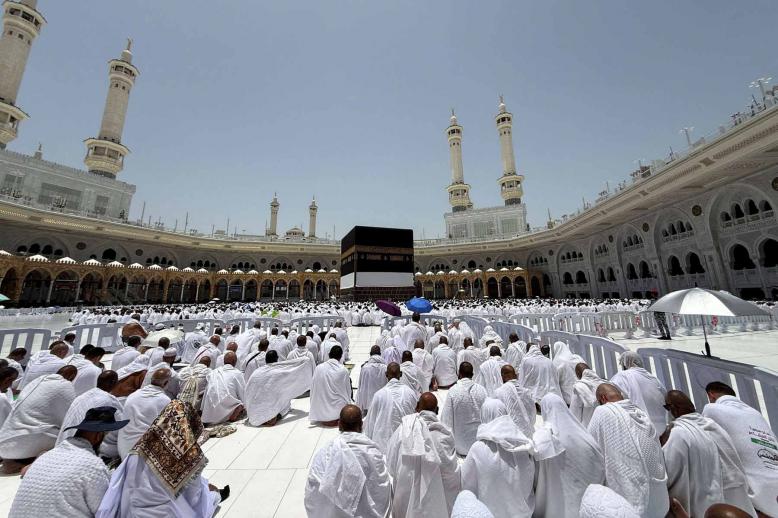
Ahead of the official rites, pilgrims gathered around the Grand Mosque, performing prayers, reciting the Quran and preparing spiritually for the demanding days ahead.
“We arrived in Medina and stayed there for a week. Everything went very well, from prayers and recitations of the Holy Quran and worship,” said Algerian pilgrim Hussain Hamzawi.
“We are now in Mecca with the other pilgrims. Tomorrow, the Algerian delegation will head to Mount Arafah early in the morning. All preparations are complete and everything is ready,” he added.
But the intense desert heat has already forced many pilgrims to alter their plans.
Inas Gamal, an Egyptian mother of four performing Hajj for the first time, said she had hoped to spend long hours praying inside the Grand Mosque but instead retreated to her air-conditioned hotel room during the hottest parts of the day.
“It’s much hotter than I imagined,” she said. “I had planned to perform all my prayers at the Grand Mosque, but I couldn’t stay outside during the daytime prayers.”
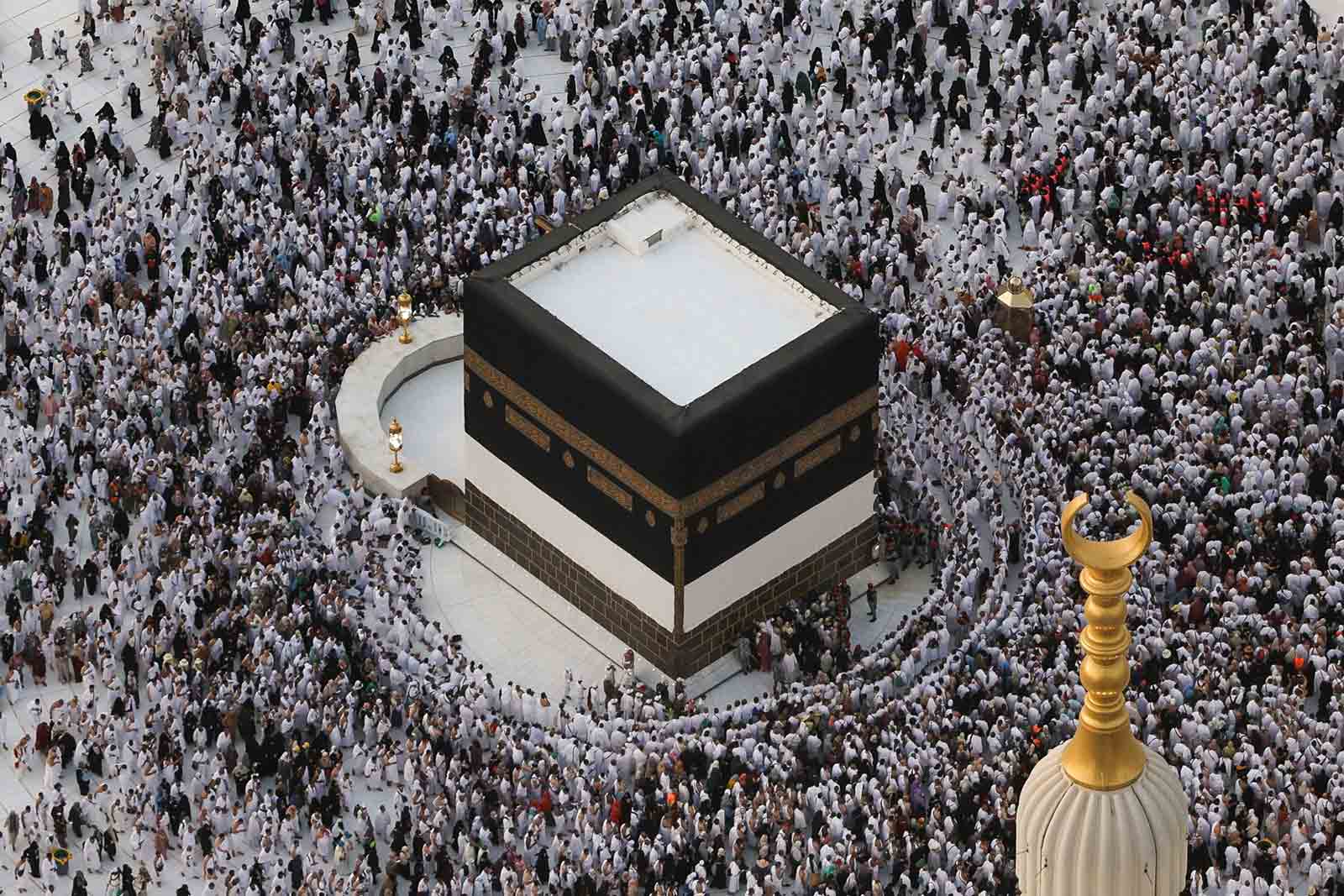
Pilgrims undertaking Hajj perform most rituals outdoors, often walking long distances under direct sunlight in crowded conditions. The journey includes circling the Kaaba seven times in the Tawaf ritual, walking between the hills of Safa and Marwa, travelling to Mina and climbing Mount Arafah, the spiritual climax of the pilgrimage.
After sunset at Arafah, pilgrims head to Muzdalifah to collect pebbles used in the symbolic “stoning of the devil” ritual in Mina.
For many visitors arriving from cooler climates, adapting to the harsh temperatures has proved difficult.
“I make sure to drink lots of water and mineral drinks because we sweat constantly and are always moving,” said British pilgrim Imad Ahmed.
Saudi authorities have deployed extensive cooling systems across Mecca to limit the impact of the heat. Giant fans, mist sprayers and cooled flooring have been installed around the Grand Mosque, while trucks distribute free bottles of ice-cold water to worshippers throughout the day.
Even so, the white marble surrounding the mosque absorbs and radiates intense heat, forcing many pilgrims to seek shelter in shaded corridors and indoor galleries between prayers.
Mohamed Nabil, a professor from the Algerian city of Oran, said the conditions were exhausting despite efforts to stay hydrated.
“It’s really hot,” he said after walking tens of thousands of steps around the city. “I keep pouring water on my face to cool down.”
Saudi Arabia’s Health Ministry said more than 50,000 medical workers and 3,000 ambulances had been mobilised for the pilgrimage, amid fears of a repeat of last year’s deadly heat emergency.
In 2024, more than 1,300 pilgrims died during Hajj after temperatures exceeded 50 degrees Celsius, according to Saudi authorities.
Officials said medical teams had already treated dozens of cases of heatstroke before the main rituals had even begun.
Doctors at clinics in Mina warned that prolonged exposure to the sun remains the greatest danger facing pilgrims in the coming days, particularly during the gathering at Mount Arafah, where shade is limited.
Health officials urged worshippers to use umbrellas, avoid direct sunlight where possible and drink water constantly to reduce the risk of dehydration and heat exhaustion.
Despite the punishing conditions, the atmosphere across Mecca remains deeply spiritual, with pilgrims describing the journey as a once-in-a-lifetime act of faith and devotion.
As night falls, thousands continue circling the Kaaba, praying beneath the lights of the Grand Mosque while preparing for the most important days of the Islamic pilgrimage.