

One of the most aggressive crackdowns on dissent since the 1979 Islamic Revolution
Iran arrests dozens of foreign nationals as it seeks leverage over West
Analysts suggest that the increase in foreign arrests in Yazd and Tehran is “a direct reaction” by the IRGC to safeguard its international influence by creating a hostage crisis.
Tuesday 03/02/2026
One of the most aggressive crackdowns on dissent since the 1979 Islamic Revolution
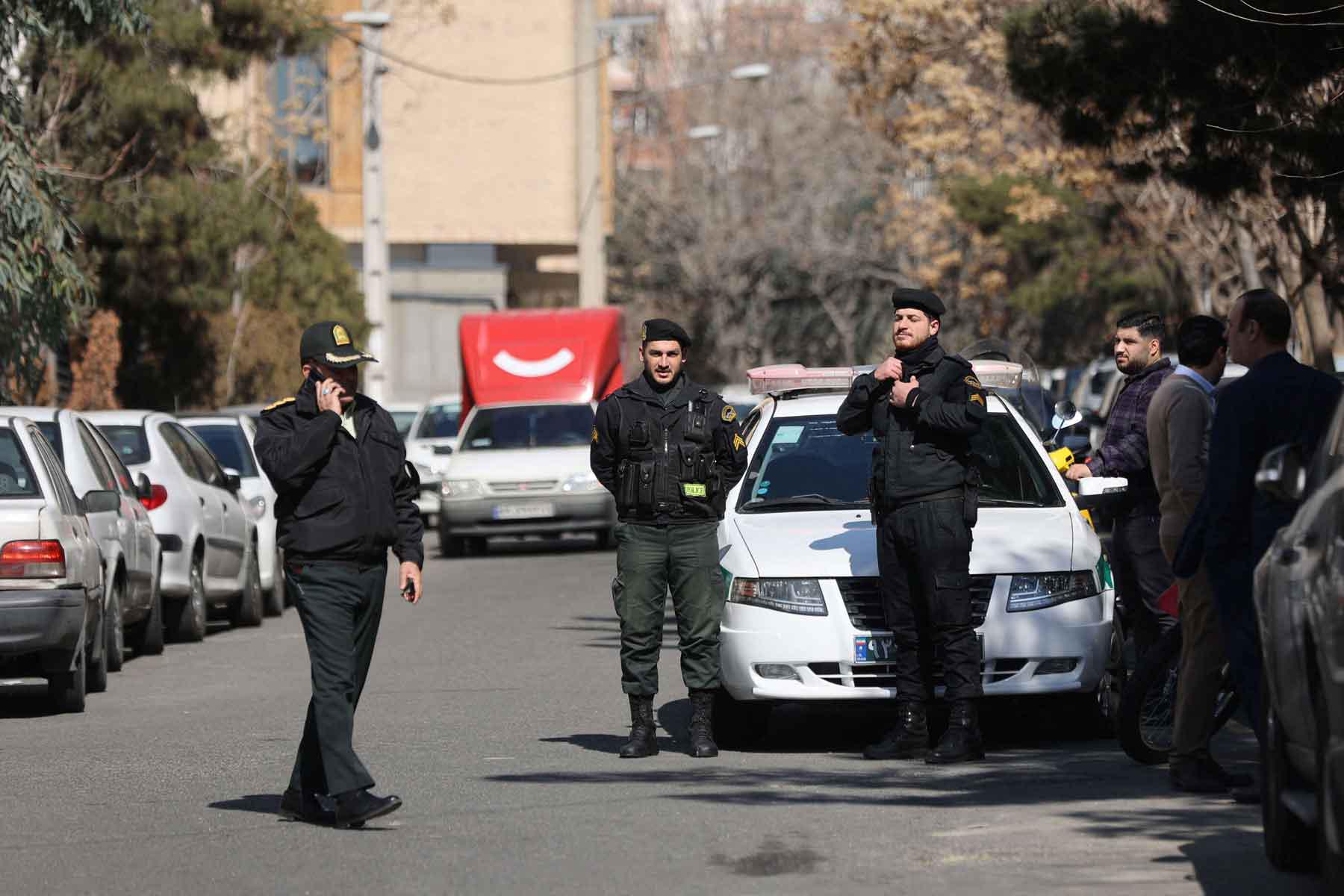
TEHRAN – Iranian authorities have arrested dozens of foreign nationals in what analysts describe as one of the most aggressive crackdowns on dissent since the 1979 Islamic Revolution. Observers view the wave of detentions as part of a broader “hostage diplomacy” strategy, coming amid escalating tensions with the West, particularly after the European Union designated Iran’s Revolutionary Guard Corps (IRGC) as a terrorist organisation.
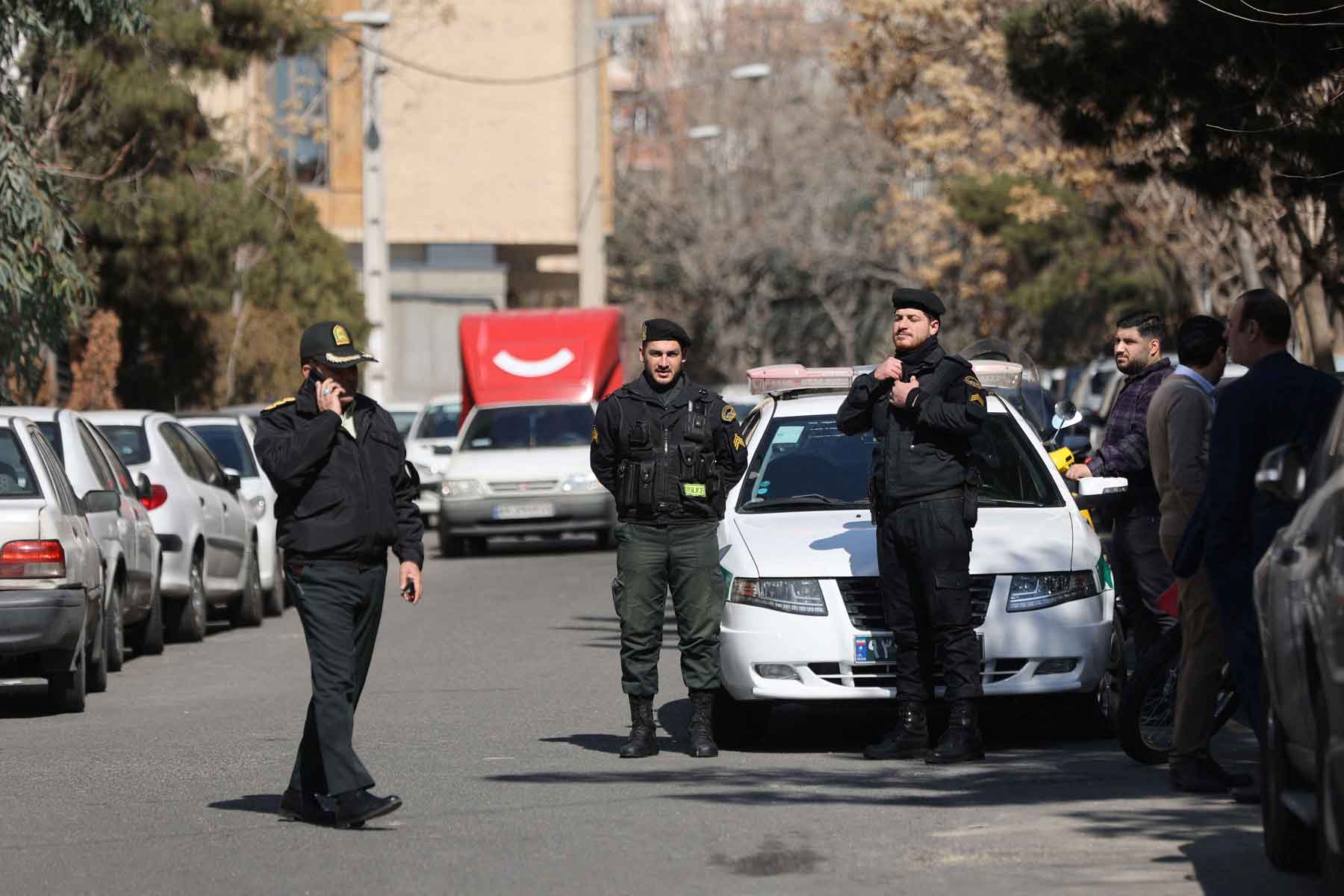
The provincial police chief in Yazd, central Iran, announced on Tuesday that 139 foreigners had been arrested so far, without revealing their identities or nationalities, according to Tasnim News Agency. He alleged that those detained had played “active roles in organising and inciting unrest” and maintained “connections with foreign intelligence services.”
In a notable development, state media reported on Monday the arrest of four foreign nationals in the capital, Tehran, signalling an expansion of the government’s focus to include dual nationals and foreigners, whereas previous crackdowns largely targeted domestic protesters.
Judiciary spokesman Asghar Jahangir emphasised that the judiciary “will show no leniency toward those involved in this US-backed sedition,” warning of “serious consequences” for detainees accused of participating in violent acts.
Observers note that Tehran frequently employs such aggressive rhetoric to create bargaining leverage in political negotiations. Broad charges such as “corruption on earth” or “espionage” provide authorities with substantial flexibility to use detainees as bargaining chips in potential exchanges or diplomatic deals.
Analysts point to a history of “successful precedents” in Iran’s use of foreign detainees to extract concessions. Examples include the 2024 deal with Sweden, which secured the release of Hamid Nouri, convicted of crimes against humanity, in exchange for detained Swedish nationals. Similarly, Iran regained diplomat Asadollah Asadi, convicted of plotting a 2018 bombing of an opposition conference in Paris, in exchange for Belgian aid worker Olivier Vandecasteele. Even the 2023 $6 billion settlement with Washington demonstrated Tehran’s ability to convert detainees into financial leverage amid sanctions.
The arrests come at a time of heightened diplomatic strain with Europe. On January 29, European Union’s High Representative for Foreign Affairs and Security Policy Kaja Kallas announced a political agreement to designate the IRGC as a terrorist entity. In response, the Iranian Foreign Ministry summoned EU ambassadors on Tuesday, condemning the decision as “an insult to the Iranian people and a violation of international agreements.”
Analysts suggest that the increase in foreign arrests in Yazd and Tehran is “a direct reaction” by the IRGC to safeguard its international influence by creating a hostage crisis that pressures European governments to negotiate on Tehran’s terms.
The crackdown unfolds against a backdrop of domestic protests and international pressure over Iran’s nuclear programme. While Tehran insists its nuclear activities are peaceful, it portrays the protests as a foreign plot to destabilise the regime, threatening an “unprecedented and comprehensive” response to any military intervention and using foreign detainees as both political shields and leverage in deterring Western escalation.