

High-risk detainees
Iraq begins probes into 1,387 ISIS fighters transferred from Syria
Iraq has repeatedly pressed the international community to share responsibility for ISIS detainees, rejecting sole financial and security burdens for hosting thousands of foreign fighters.
Monday 02/02/2026
High-risk detainees
BAGHDAD – Iraq’s Supreme Judicial Council announced on Monday that it has begun formal investigations into 1,387 members of the Islamic State (ISIS) terrorist organisation recently handed over by Syria, a development that has stirred wide debate within Iraqi political and security circles amid serious safety concerns.
In a statement carried by the Iraqi News Agency (INA), the Council said: “The First Karkh Investigative Court has begun legal proceedings against 1,387 members of the ISIS terrorist entity who were recently repatriated from Syrian detention.”
The statement added that specialised terrorism judges are conducting the investigations under the direct supervision of the head of the Supreme Judicial Council. Officials emphasised that “procedures for handling the detainees will follow established legal and humanitarian frameworks, in line with national legislation and international standards.”
The investigations form part of Iraq’s broader efforts to hold ISIS operatives accountable for crimes that may amount to genocide and crimes against humanity, while maintaining coordination with international partners. The Council noted that Iraq expects to receive a total of more than 7,000 ISIS fighters, and that the National Centre for International Judicial Cooperation will document and supply investigators and courts with archived evidence.
Baghdad has repeatedly pressed the international community to share responsibility for these detainees, rejecting sole financial and security burdens for hosting thousands of foreign fighters. The government stresses that detaining approximately 7,000 individuals requires extraordinary budgets to cover food, medical care, and stringent security, resources that Iraq argues should instead prioritise reconstruction and compensation for victims of terrorism.
The Iraqi authorities insist that their territory should not become a “permanent settlement” for international problems without external funding, asserting that the countries of origin of these fighters must bear the costs of their citizens’ actions.
Iraq’s prison system is already grappling with chronic overcrowding, while accommodating thousands of high-risk detainees presents extreme technical and security challenges, including the construction of high-security facilities to prevent incidents like past prison breaks, notably the Abu Ghraib prison escape in 2013. Security agencies fear that these detainees could become new recruitment hubs within Iraqi correctional institutions.
On January 21, the US Central Command (Centcom) announced the transfer of ISIS prisoners from northeastern Syria to Iraq, moving 150 detainees from Hasakah province to Iraqi sites. On the same day, Centcom Commander Brad Cooper briefed Syrian President Ahmad al-Shara by phone on plans to relocate up to 7,000 ISIS prisoners to Iraq.
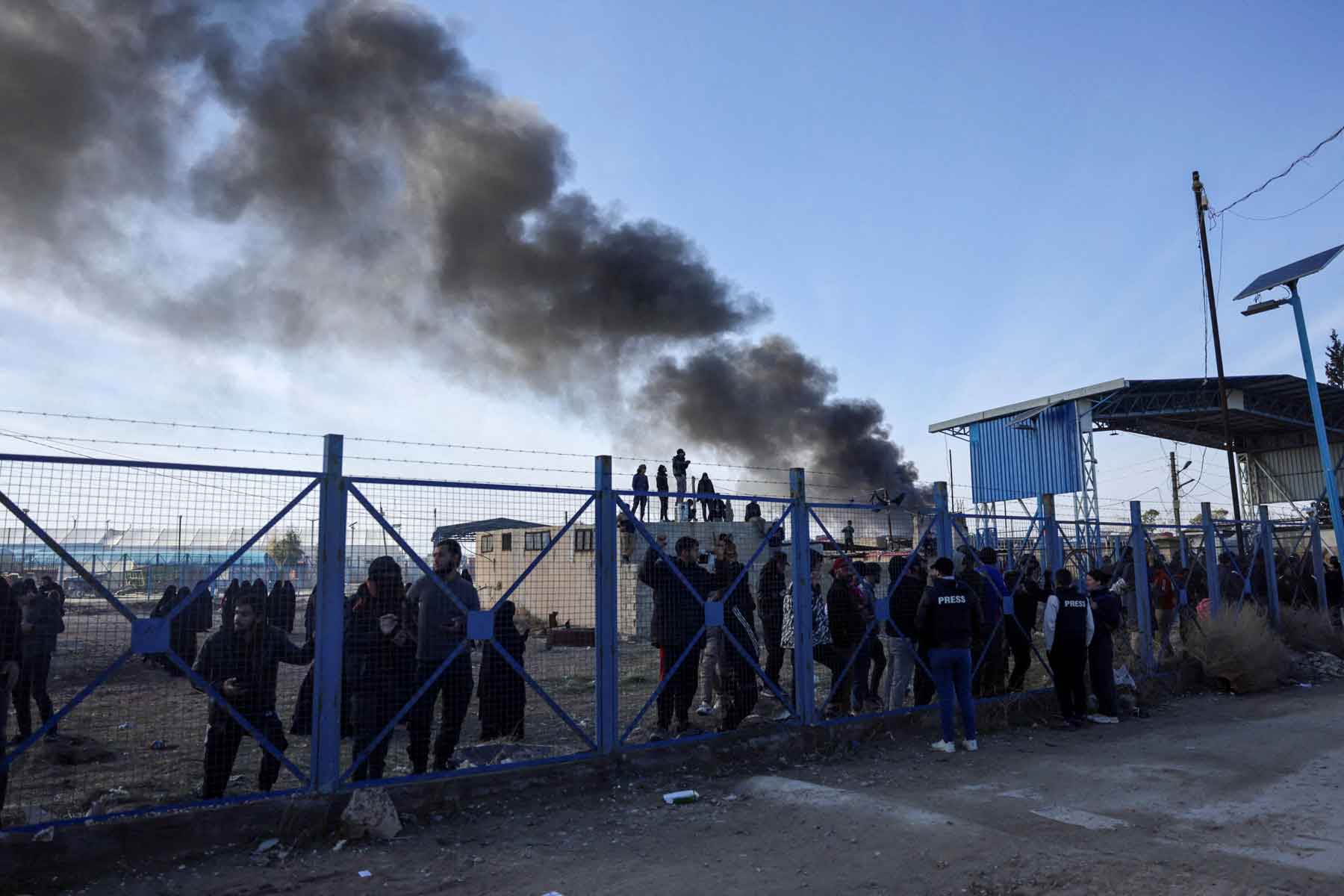
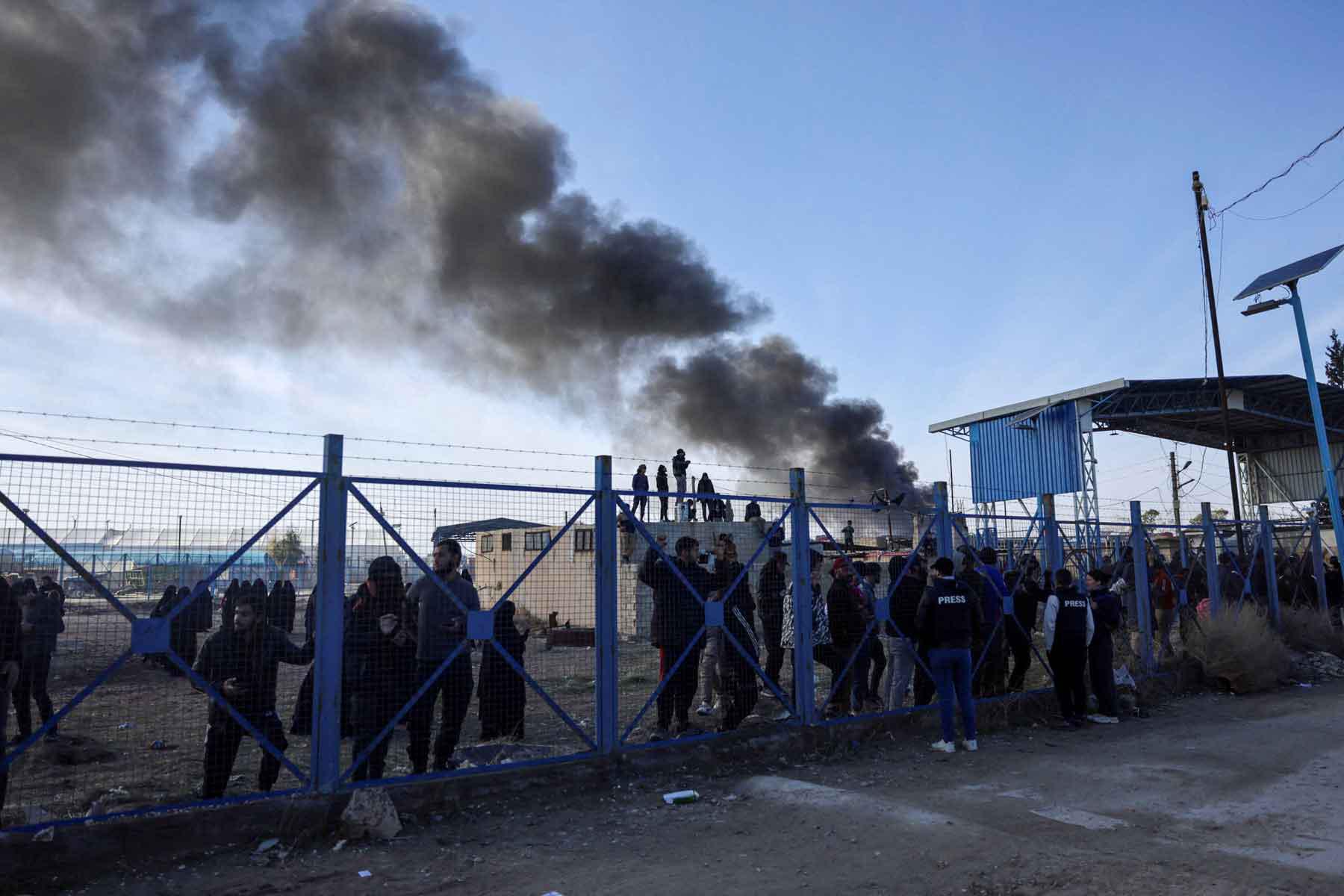
The transfers followed the withdrawal of the Syrian Democratic Forces (SDF) from the al-Hol camp in northeastern Syria after clashes with the Syrian army, which later regained control of the camp and its surroundings.
The repatriations come nearly six years after Iraq declared victory over ISIS on December 10, 2017, having fully liberated all territories previously occupied by the group following a three-year intensive conflict.