

Gaza’s only direct gateway to Egypt and the outside world
Israel allows anti-Hamas militia role in Rafah crossing inspections
Israel permitted the Abu Shabab militia to assist in screening Palestinians entering and leaving Gaza, expressing hope that the group could eventually assume permanent responsibility for the task.
Thursday 12/02/2026
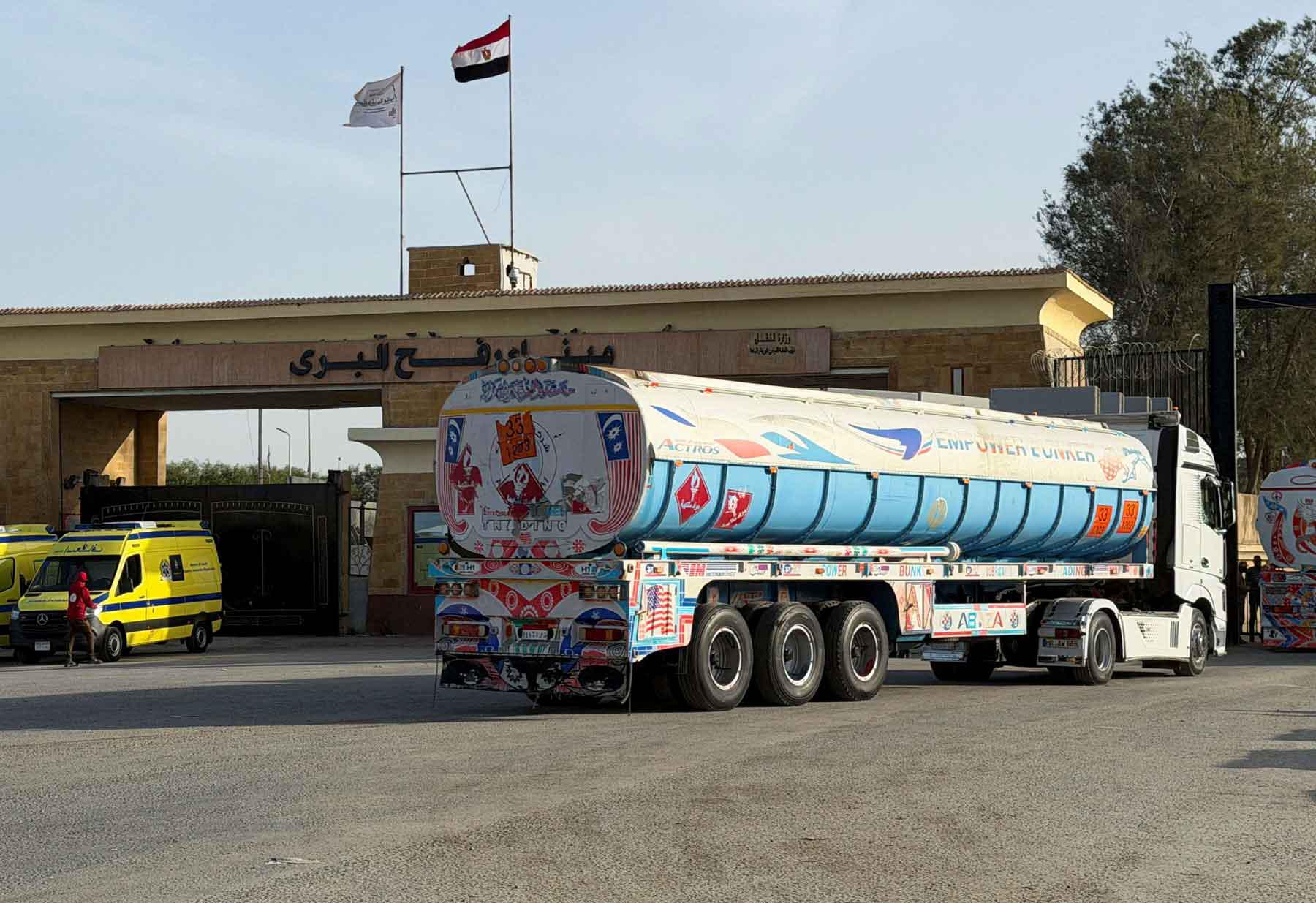
Gaza’s only direct gateway to Egypt and the outside world
GAZA CITY – Israel has allowed members of an armed militia opposed to Hamas to participate in the inspection of Palestinians travelling through the Rafah land crossing between the Gaza Strip and Egypt, according to Israel’s official Hebrew Broadcasting Authority, in a move that signals a possible expansion of the group’s role in the enclave’s security architecture.
The broadcaster reported that Israel permitted fighters from the so-called Abu Shabab militia to assist in screening Palestinians entering and leaving Gaza via the crossing, expressing hope that the group could eventually assume permanent responsibility for the task.
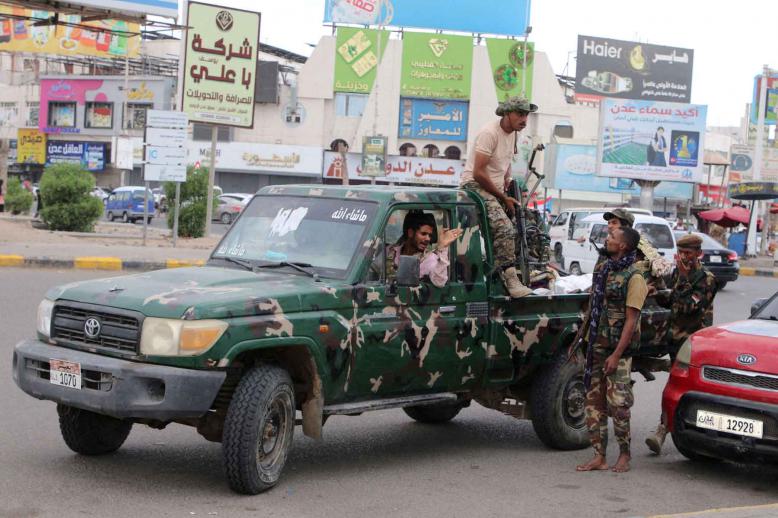
A photograph taken earlier this week on the Palestinian side of the crossing showed Ghassan al-Dahini, identified as the militia’s current leader, alongside several armed members, the report said. The presence of the group near the crossing, located in an area under Israeli control, was said to be authorised by Israeli authorities.
The development comes amid broader reports of covert Israeli support for armed factions in Gaza opposed to Hamas. The Hebrew newspaper Yedioth Ahronoth reported last week that Israel has secretly provided certain militias with funding, weapons and operational protection, enabling them to operate in areas where Israeli forces are deployed under the ceasefire arrangements.
According to the report, Israeli forces have used militia members for narrowly defined tactical missions, including pursuing and detaining suspects and searching for Hamas fighters in tunnels or among the ruins of destroyed neighbourhoods.
Prime Minister Benjamin Netanyahu acknowledged publicly in June that Israel had armed militias in Gaza, saying the move was intended to counter Hamas and weaken its grip on the territory.
The growing involvement of the Abu Shabab militia has intensified tensions within Gaza, with Hamas accusing the group of operating outside the national framework and coordinating with hostile actors. The movement has warned that the emergence of parallel armed formations poses a direct challenge to its authority and threatens internal security in the enclave.
Hamas previously gave the militia’s leadership a deadline to regularise its legal status and surrender, warning of consequences if what it described as an “armed rebellion” continued. The group has argued that the proliferation of weapons outside official structures risks fuelling instability and undermining social cohesion at a time when Gaza faces acute humanitarian and security challenges.
Security forces affiliated with Hamas have carried out targeted operations against suspected militia positions, particularly in eastern Gaza, including raids and manhunts aimed at dismantling the group’s operational networks and limiting its ability to function.
These measures form part of a broader campaign by Hamas to assert control over Gaza’s fragmented security landscape and prevent the emergence of rival armed actors that could alter the balance of power in the territory.
The militia’s founder and former leader Yasser Abu Shabab was reportedly killed in December during clashes between local clans in Gaza. His death was later confirmed by the Tarabin tribe, to which he belonged, which described the killing as closing “a chapter of shame.”
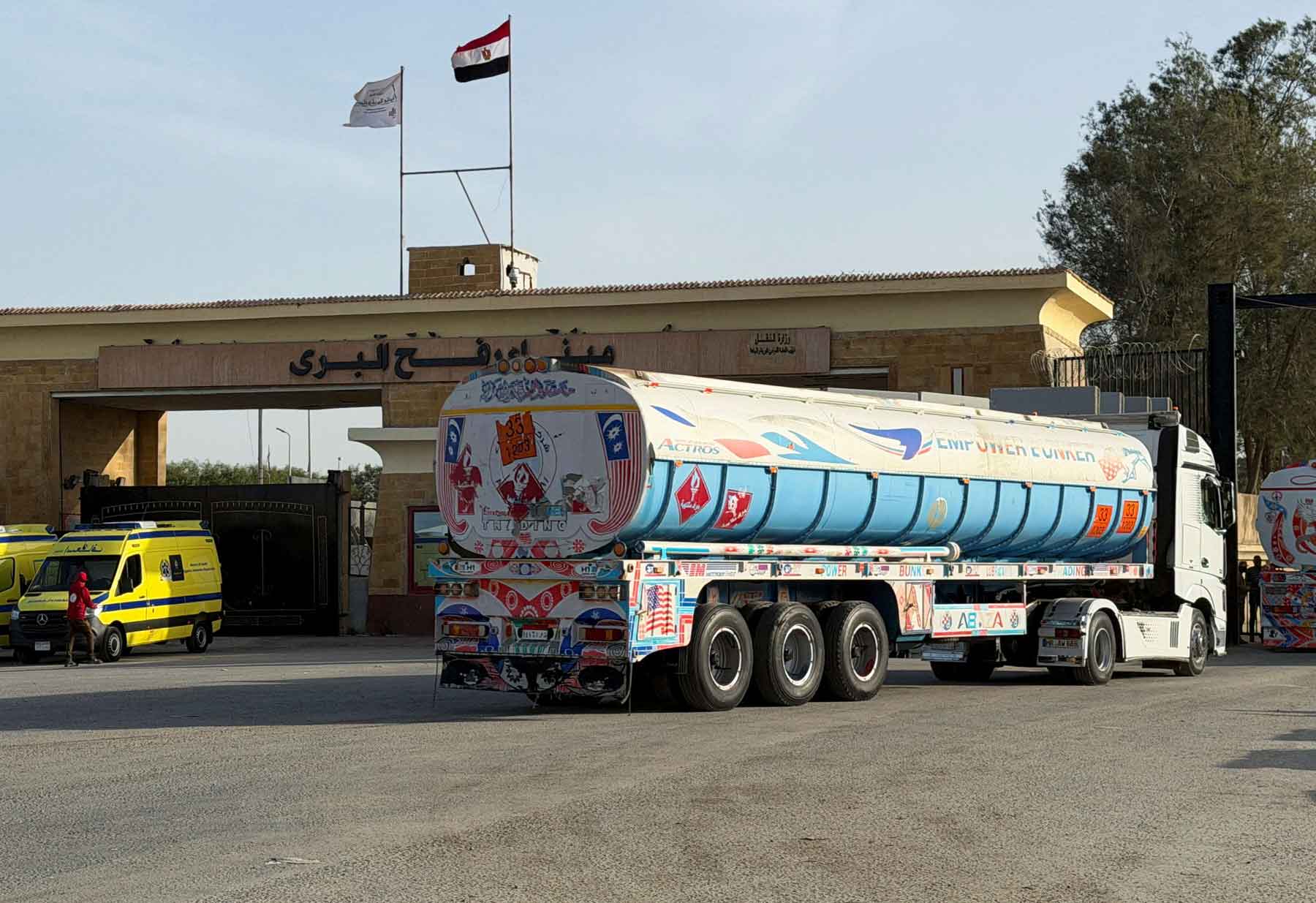
Israel reopened the Palestinian side of the Rafah crossing on February 2 after occupying it since May 2024, but only on a highly-restricted basis and under tight security controls. The reopening fell short of expectations under the first phase of the ceasefire agreement that came into effect on October 10, 2025, which had envisaged broader restoration of movement.
The Rafah crossing, Gaza’s only direct gateway to Egypt and the outside world not controlled by Israel, has become a critical focal point in the struggle over post-war governance and security arrangements.
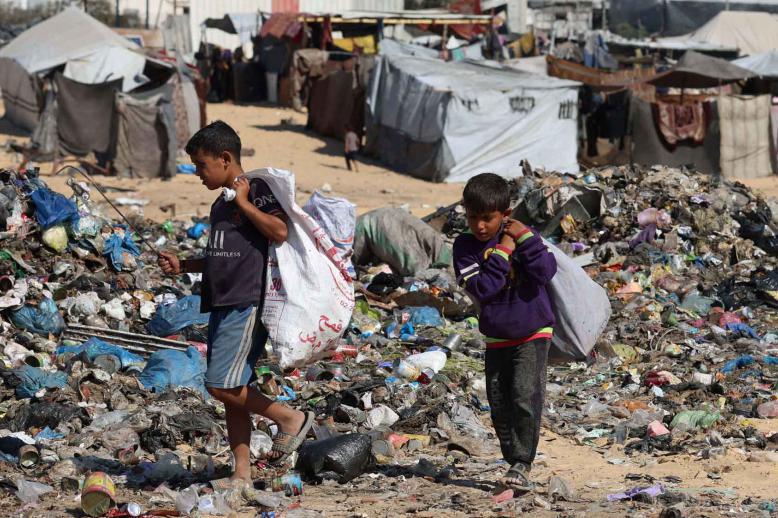
Israel’s war in Gaza, launched on October 8, 2023, lasted two years and left more than 72,000 Palestinians dead and over 171,000 wounded, according to Palestinian figures, with widespread destruction affecting an estimated 90 percent of the enclave’s civilian infrastructure.