

The expulsion of MSF is expected to severely impact an already collapsing health system
Israel to halt MSF’s work in Gaza after refusing to provide staff list
Médecins Sans Frontières condemns Israel’s termination as a pretext to obstruct humanitarian assistance in Gaza.
Monday 02/02/2026
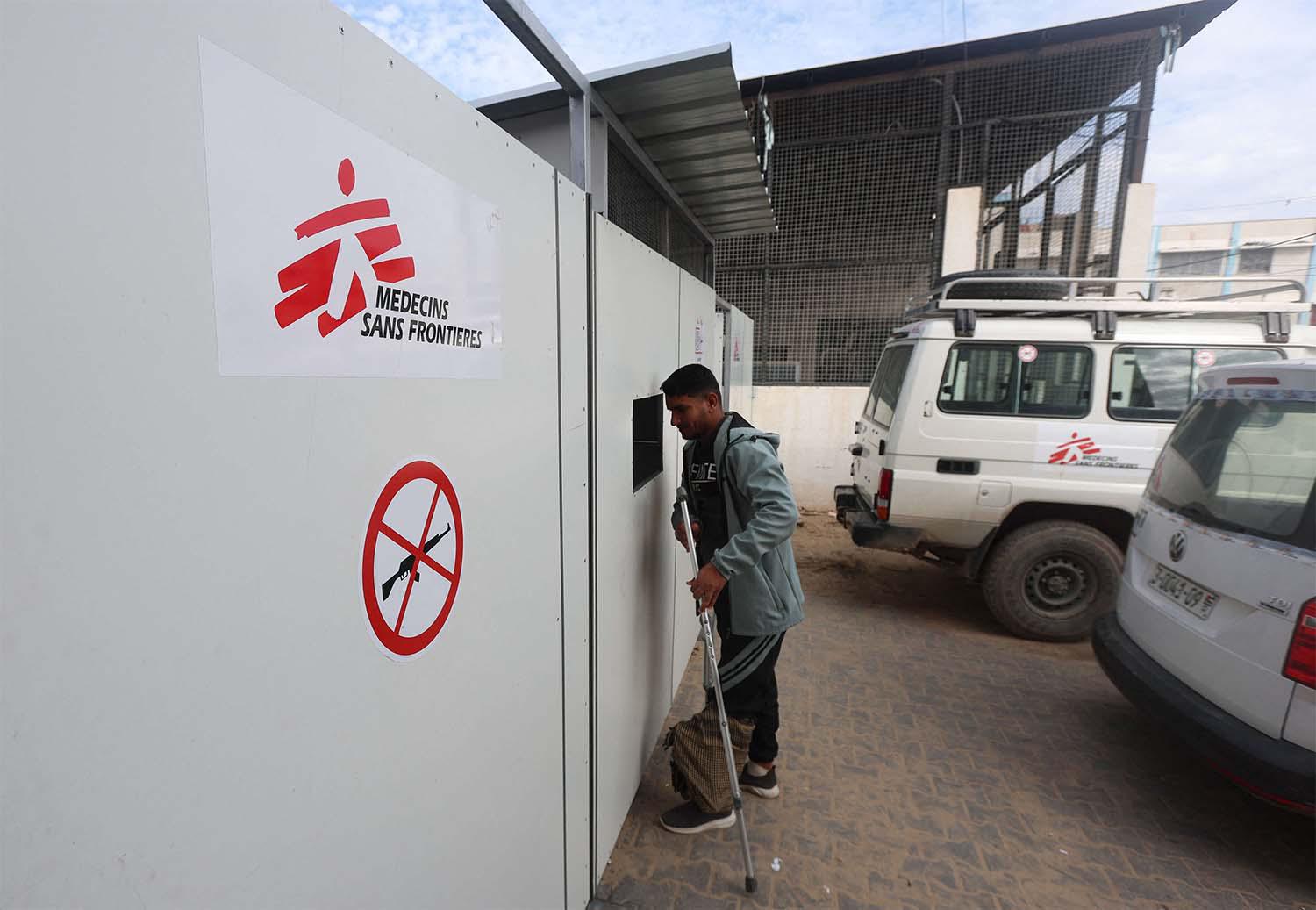
The expulsion of MSF is expected to severely impact an already collapsing health system
GAZA - The Israeli government announced on Sunday its intention to terminate the operations of Médecins Sans Frontières (MSF), also known as Doctors Without Borders, in the Gaza Strip.
The decision, effective by February 28, stems from MSF's refusal to provide Israeli authorities with a detailed list of its Palestinian staff members as part of a required registration process for humanitarian organizations operating in the region.
In late December 2025, Israeli authorities, through the Ministry of Diaspora Affairs and Combating Antisemitism and in coordination with bodies like COGAT (Coordinator of Government Activities in the Territories), informed 37 international aid organizations—including MSF—that they must submit detailed information about their local (Palestinian) employees to continue operations in Gaza. This requirement was framed as a standard registration protocol applicable to all such groups, aimed at oversight and compliance.
Failure to comply would result in a ban starting March 1. MSF, which has been providing critical medical care in Gaza since the escalation of conflict in October 2023, initially explored options to maintain its presence.
On January 23, the organization informed Israeli authorities that, as an exceptional measure and following internal consultations (including with Palestinian staff), it would consider sharing a defined list of names—both Palestinian and international—subject to strict conditions. These conditions prioritized staff safety, data protection, assurances against misuse of the information, and preservation of MSF's operational independence.
However, MSF stated that these assurances were not forthcoming after weeks of engagement. On January 30, 2026, the charity publicly announced it would not provide any staff information under the current circumstances.
MSF emphasized that no list had ever been handed over and highlighted the broader context: an ongoing humanitarian crisis in Gaza, widespread violence against healthcare workers (including the reported deaths of over 1,700 health staff and 15 MSF colleagues since October 2023), and what it described as administrative blockages, denials of staff entry, and supply restrictions since early January 2026.
Israel's Position
Israeli officials responded swiftly to MSF's announcement. On February 1, the Ministry of Diaspora Affairs stated that MSF had initially committed in early January to complying but later backtracked, violating the binding protocol. The ministry described the move as necessary due to "MSF's failure to submit lists of local employees," reiterating that this was a uniform requirement for all humanitarian groups. It confirmed that MSF operations would cease, with the organization required to depart Gaza by February 28, 2026.
Israeli sources have previously accused certain MSF staff of links to militant groups such as Hamas or Islamic Jihad—claims that MSF has vehemently denied, calling them unsubstantiated and part of a broader effort to discredit the organization.
MSF condemned the termination as a "pretext to obstruct humanitarian assistance" and force organizations into an "impossible choice": expose staff to potential risks by sharing personal details or halt life-saving medical care for hundreds of thousands of Palestinians in desperate need.
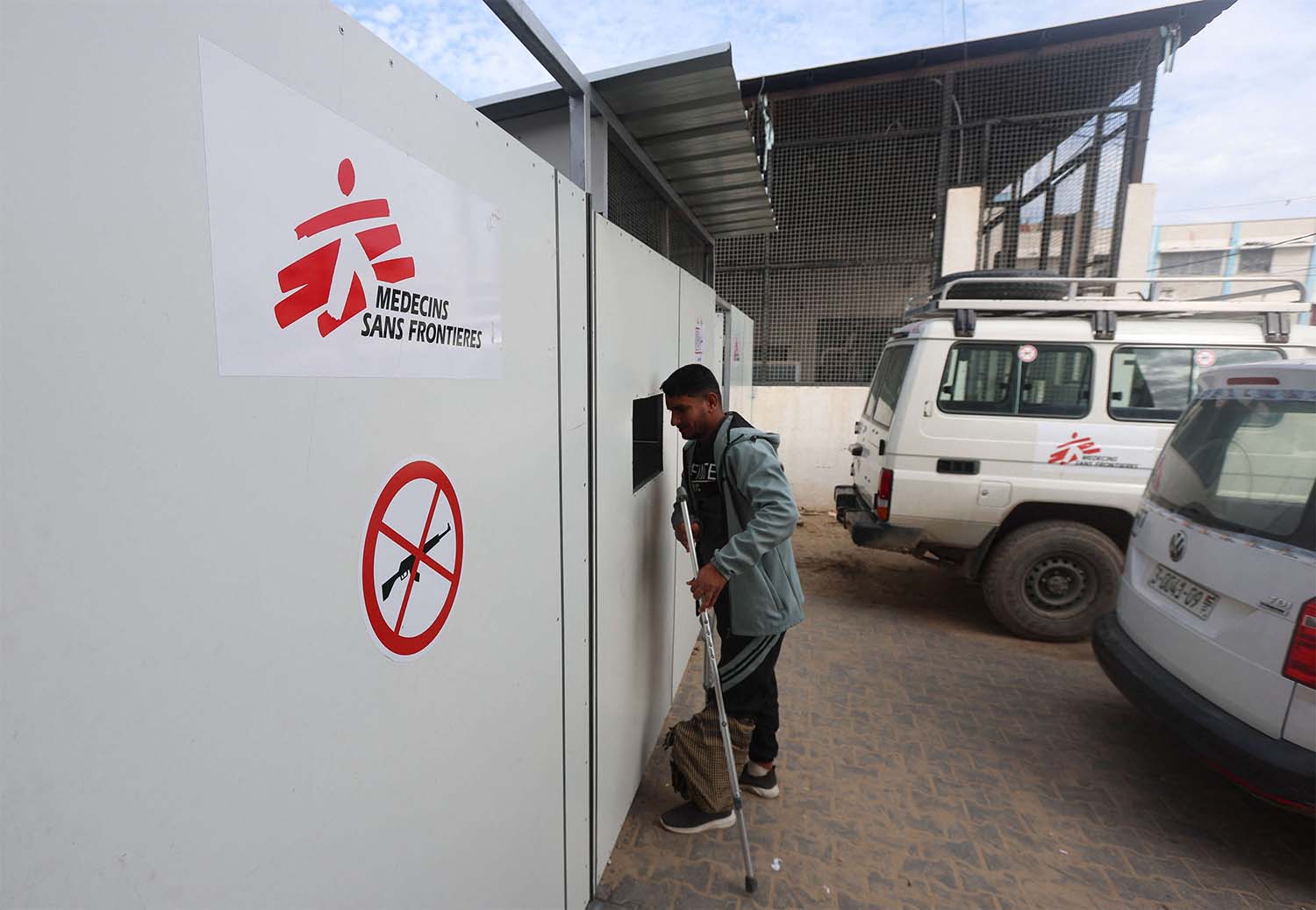
The group operates or supports around 20 health centers in Gaza, accounts for a significant portion of hospital capacity (including 20% of beds in some periods), and has performed thousands of deliveries and other essential services amid the war's devastation.
The expulsion of MSF—one of the largest remaining international medical providers in Gaza—is expected to severely impact an already collapsing health system, with fewer doctors, medicines, and facilities available. MSF stressed that its priority remains independent humanitarian action and staff safety, while calling for more—not less—support for civilians caught in the conflict.