

The war on drugs continues unabated in Kuwait and the UAE
Joint UAE-Kuwait cooperation dismantles dangerous international drug smuggling ring
This qualitative achievement showcases UAE-Kuwaiti cooperation as a practical model for security integration, highlighting an approach that transcends local boundaries to a regional framework in fortifying the area against the drug trade.
Friday 13/02/2026
The war on drugs continues unabated in Kuwait and the UAE
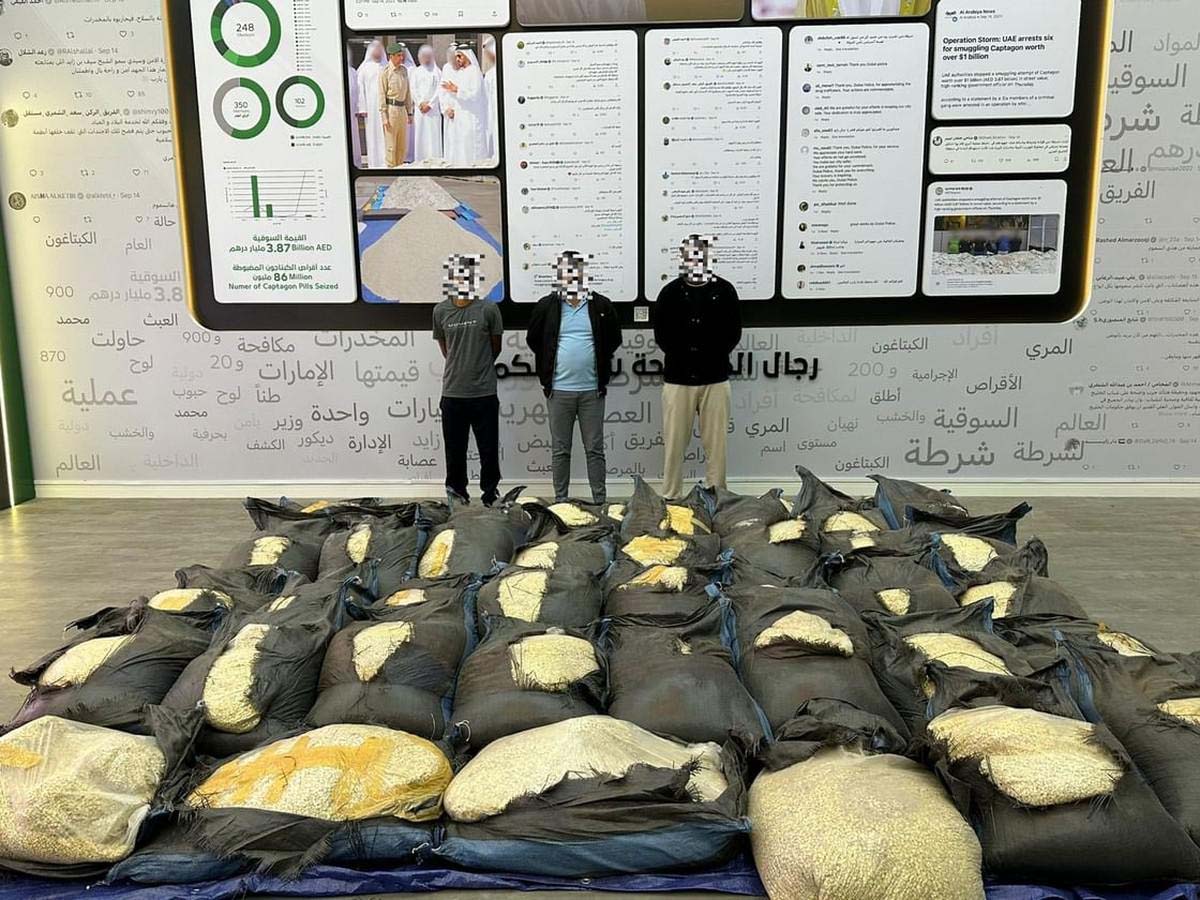
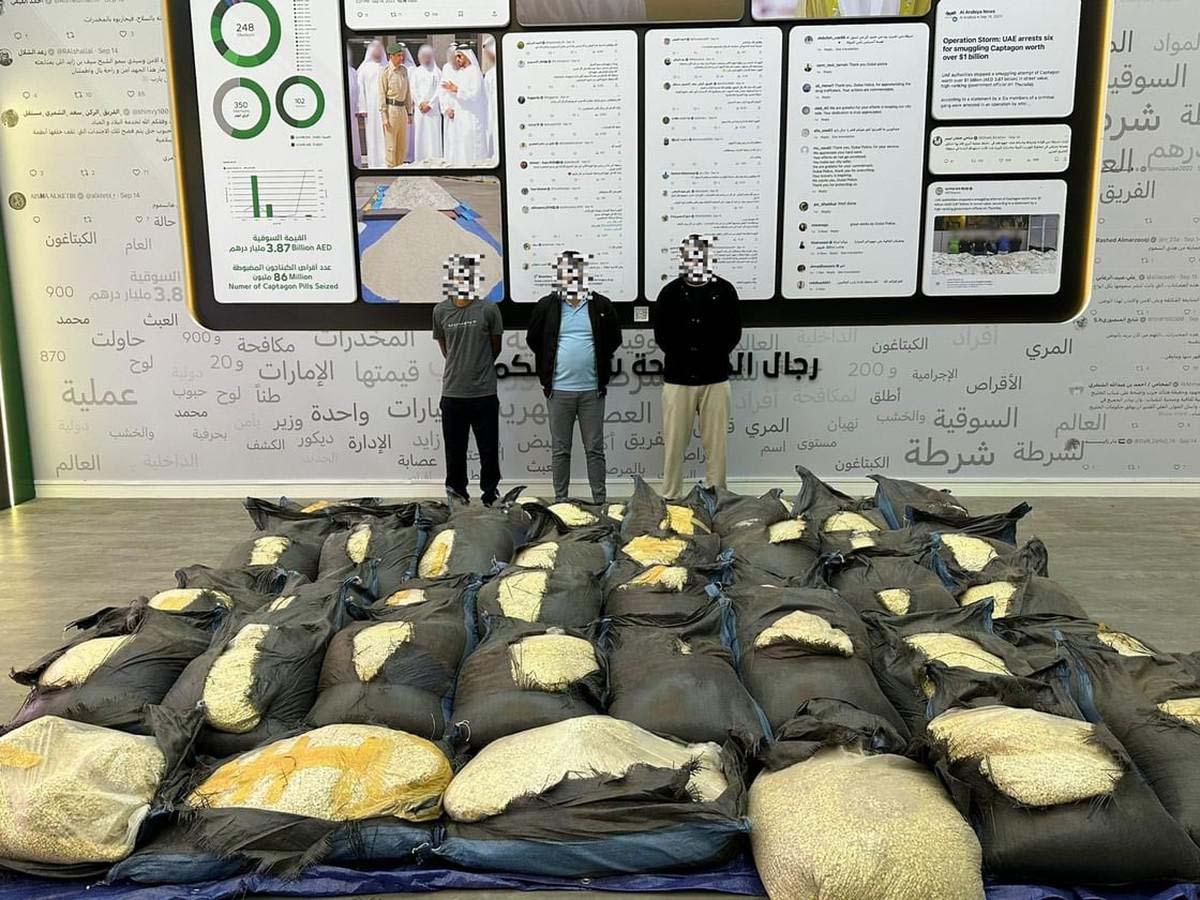
DUBAI – In a qualitative security achievement reflecting a high level of regional coordination, Sheikh Zayed bin Hamad Al Nahyan, Chairman of the National Anti-Drug Agency, announced the success of a joint operation between Dubai Police and its counterpart in Kuwait. The operation resulted in the dismantling of an international drug smuggling ring and the seizure of over 14 million Captagon pills, in one of the largest specialized operations targeting organized cross-border smuggling networks.
This achievement carries dimensions beyond the seizure of a massive shipment; it sheds light on the approach adopted by the UAE in combating drugs as a direct threat to community security and social fabric. The State does not treat this scourge merely as a criminal case, but as a comprehensive preventive battle where security, health, and awareness dimensions intersect, based on a long-term strategy aimed at drying up sources before toxins reach individuals.
This specialized operation also highlights UAE-Kuwaiti cooperation as a practical model for security integration. The exchange of information between specialized agencies is no longer an exceptional measure but has become an integrated institutional system including intelligence coordination, joint training, and unified monitoring and follow-up mechanisms.
Sheikh Zayed bin Hamad Al Nahyan emphasized that this achievement embodies the depth of fraternal relations between the two countries and reflects a unified team spirit.
He stressed the continued development of operational and intelligence coordination channels to confront smuggling networks and dry up their sources. He also expressed his appreciation for the anti-drug officers in both countries, praising their vigilance and high efficiency which contributed to thwarting the criminal plot.
This type of partnership enhances the ability to track international networks that rely on multiple routes and fronts to hide their activities, tightening the noose by pursuing them across more than one geographical scope simultaneously.
Regarding the details of the operation, Sheikh Zayed bin Hamad Al Nahyan explained that it was the fruit of precise intelligence coordination and secret information exchange between both sides. This enabled specialized teams to trace the network's threads and monitor the movements of its members leading up to the decisive moment of execution, where three suspects were caught while unloading the shipment in preparation for storage.
Investigations revealed that the shipment, weighing approximately 2,250 kilograms, was tightly concealed within bags of corn kernels and carefully distributed inside five containers in a sophisticated camouflage attempt to circumvent inspection procedures.
Security authorities confirmed that advanced analysis of intelligence data was the decisive factor in uncovering the plot, as shipment data was linked to the movements of the suspects, allowing the operation to be thwarted before the narcotics reached their final destination. This success reflects a high state of readiness for a security system based on merging modern technology with field expertise, in addition to qualifying specialized national cadres capable of dealing with the most dangerous patterns of organized crime.
Observers indicate that the success of the operation reflects a strict commitment to international standards in combating drugs, money laundering, and terrorism financing—standards that have become the reference framework for the work of modern security agencies. Cross-border organized crimes no longer operate in separate paths; rather, smuggling networks are intertwined with illicit financing channels, requiring a security response based on international cooperation and the exchange of expertise and techniques.
The UAE occupies an advanced global position in this field thanks to its sophisticated legislative structure and investments in security and digital technologies, as well as its extensive partnerships with law enforcement agencies around the world. This approach has bolstered its position as a reliable partner in organized crime-fighting efforts, with many countries viewing its experience as a model to follow in building security systems capable of proactivity rather than mere reaction.
Security experts affirm that preemptive strikes carried out by specialized agencies do not only protect national borders but also shield societies from serious social and economic repercussions, as the drug trade is linked to rising crime rates, violence, and the breakdown of family ties. Hence, the importance of continuous investment in developing intelligence and technical capabilities as the first line of defense against these networks is evident.
The UAE continues, as reported by the 'WAM' agency, to send clear messages that its territory will not be a corridor or a warehouse for these toxins, and that its security agencies will remain in a state of permanent vigilance to pursue anyone who dares to threaten community security. Through this integrated approach, the image of the UAE is solidified as an advanced security system that does not settle for internal protection but contributes effectively to safeguarding regional and international stability.