

The discovery of an alleged militant cell last year marked a decisive turning point
Jordan signals zero tolerance for banned Muslim Brotherhood activity
The Aqaba incident reinforces the message that Jordan is determined to dismantle the Brotherhood’s organisational presence while tightly managing its political offshoots.
Monday 04/05/2026
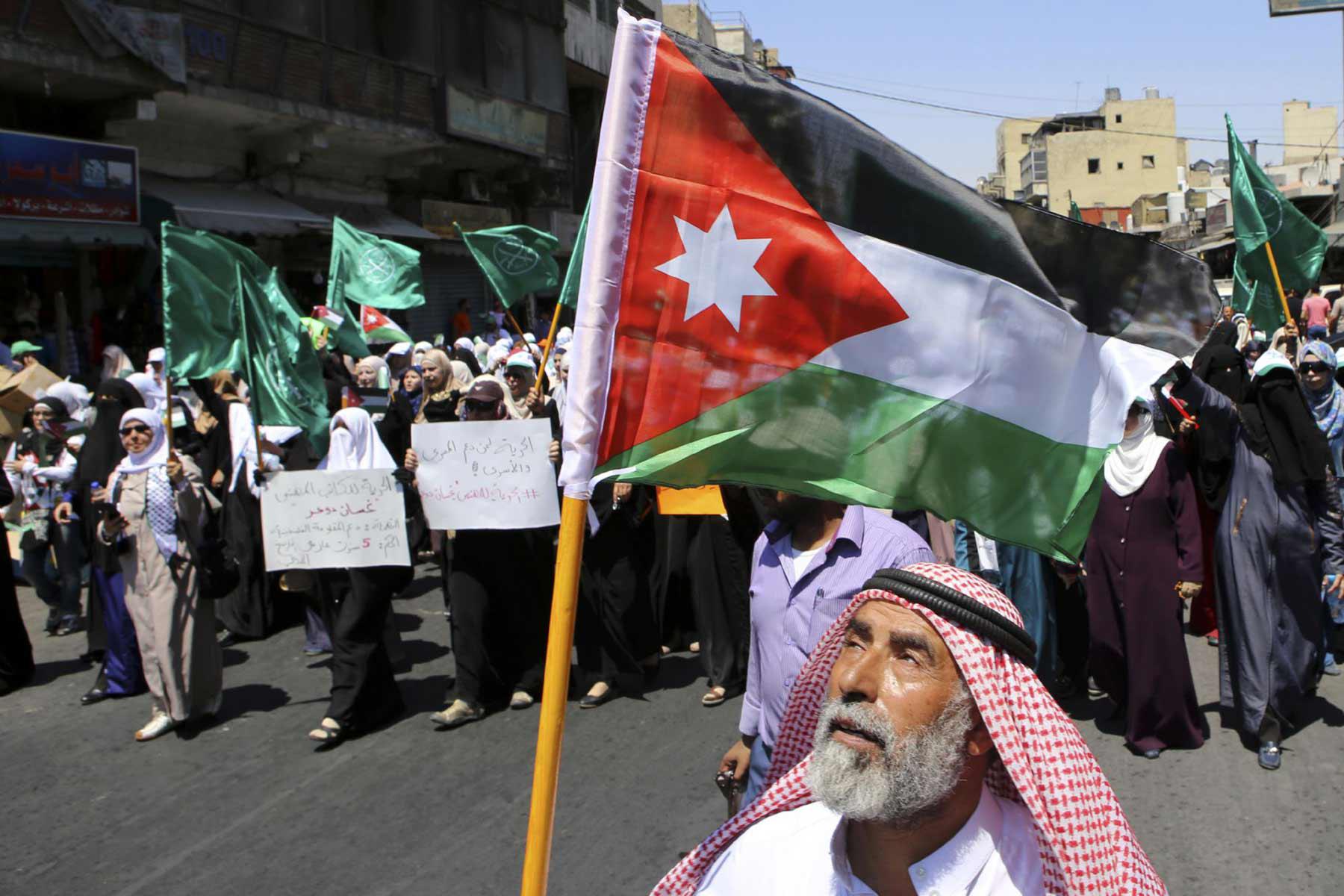
The discovery of an alleged militant cell last year marked a decisive turning point
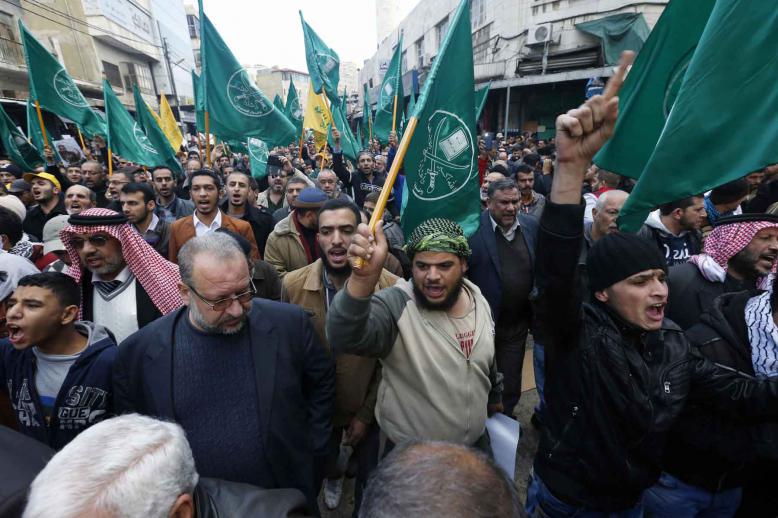
AMMAN – Jordanian authorities detained several people on Sunday after breaking up what they described as an unauthorised meeting linked to the banned Muslim Brotherhood in the southern city of Aqaba, as the government pressed ahead with a sweeping crackdown on the group.
The Interior Ministry said the gathering had been organised at the direction of individuals who previously held senior positions within the Brotherhood, adding that efforts were continuing to pursue those responsible and take legal action.
Officials reiterated that the Muslim Brotherhood is outlawed in Jordan and that any activity conducted under its auspices is illegal, warning that those involved would face prosecution.
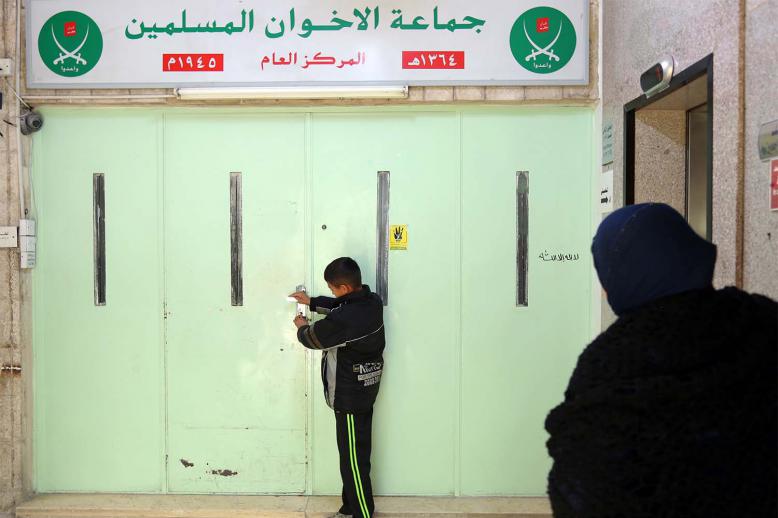
The move highlights Amman’s determination to enforce a ban imposed in April 2025, when the government designated the Brotherhood an illegal organisation and confiscated its assets following what it described as a plot threatening national security.
Authorities said at the time that individuals linked to the group had been involved in manufacturing rockets and stockpiling weapons, with some receiving training abroad, prompting a decisive shift in policy towards the movement.
Limited political space remains
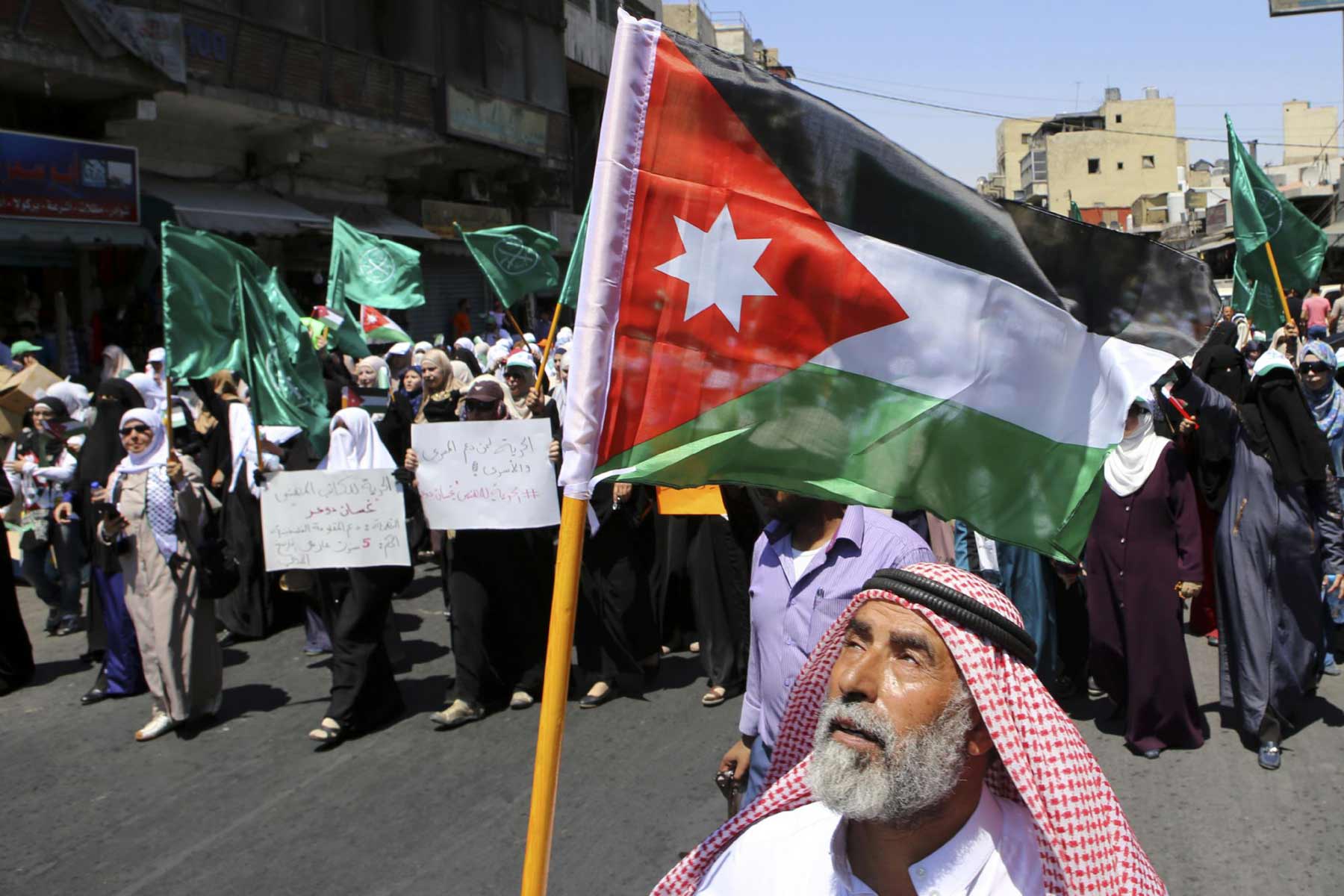
While the Brotherhood itself is banned, political participation is still permitted through licensed parties. Its former political arm, the Islamic Action Front, recently rebranded as the “Ummah Party” under new electoral regulations that prohibit religiously framed party names.
The party remains a significant political force, holding the largest bloc in parliament, although analysts say the name change is largely cosmetic and does not fundamentally alter its ideological orientation.
Jordanian authorities have sought to balance their crackdown with maintaining a controlled political space, avoiding an outright ban on the party while restricting its organisational links to the Brotherhood.
A hardening stance
The latest arrests underline what analysts describe as a zero-tolerance approach to any attempt to rebuild the Brotherhood’s organisational network outside legal frameworks.
Officials say political activity must take place strictly through licensed channels, warning that any effort to bypass the system or operate under alternative structures will be met with firm action.
Relations between the state and the Brotherhood have long been fraught, deteriorating sharply after the group’s prominent role in protests during the 2011 Arab uprisings.
Although authorities had previously exercised restraint, including delaying enforcement of a 2020 court ruling dissolving the group, the discovery of the alleged militant cell last year marked a decisive turning point.
Analysts say the Aqaba incident reinforces the message that Jordan is determined to dismantle the Brotherhood’s organisational presence while tightly managing its political offshoots.