
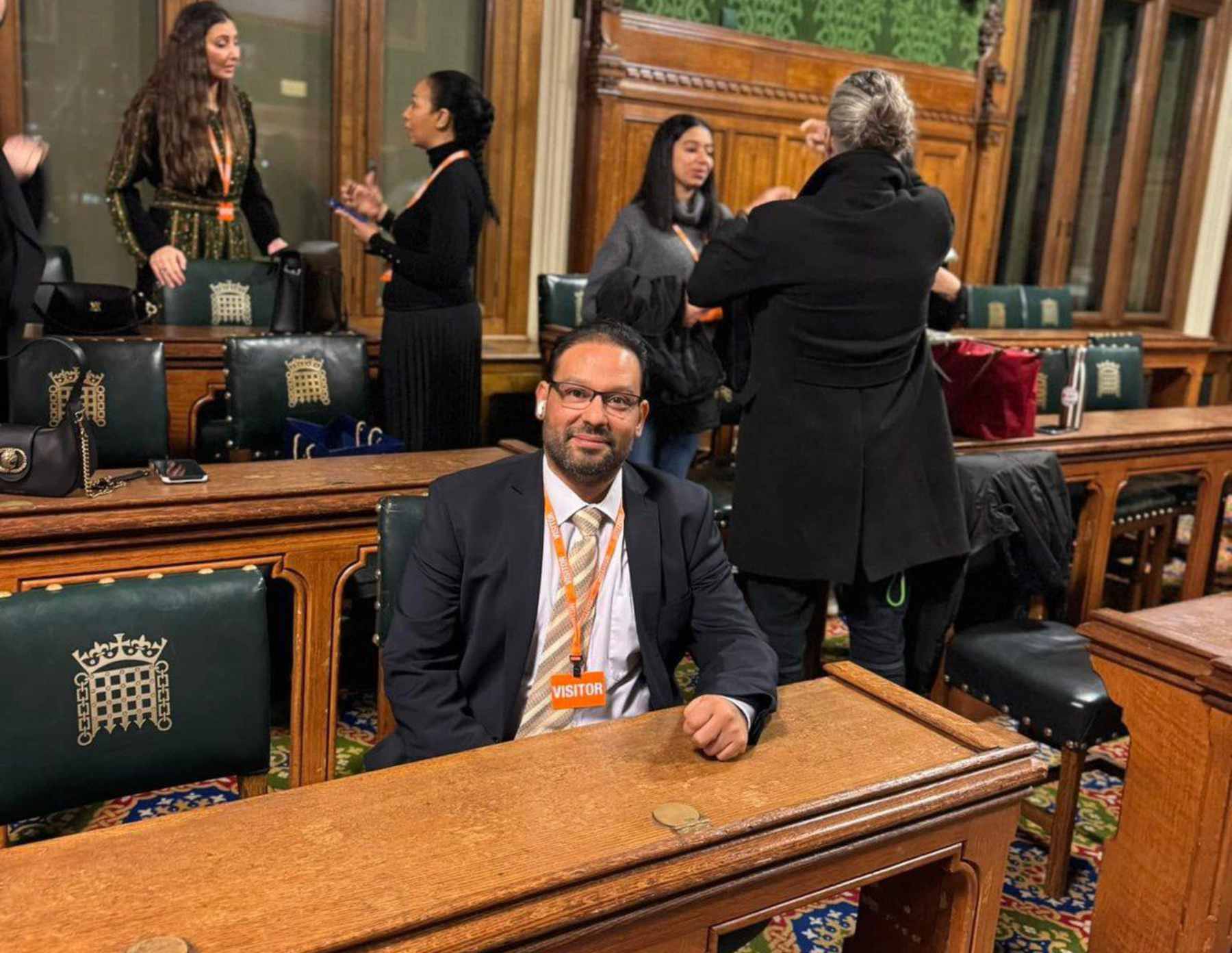
Pushing for a fresh approach
Lifeline for migrants? Inside Britain's 'one-off amnesty' initiative
A central pillar of the petition is the fight against what is often referred to as the black economy and the reduction of modern forms of exploitation and servitude.
Tuesday 16/06/2026
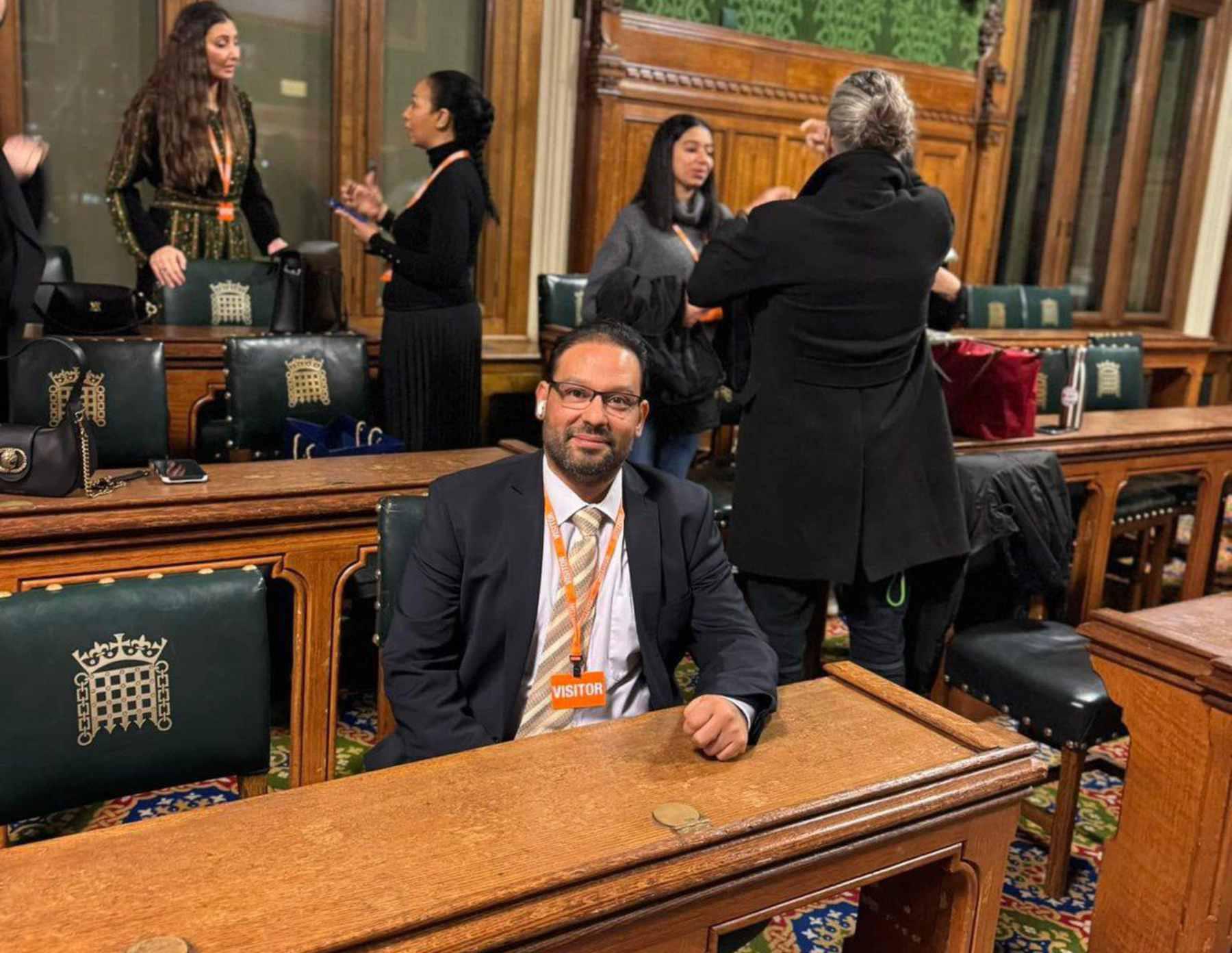
Pushing for a fresh approach
As anti-immigration rhetoric intensifies in Britain and the government continues to tighten immigration, residency and asylum policies, a notable legal initiative has emerged in recent weeks that could offer a ray of hope to thousands of undocumented migrants living in the United Kingdom.
An official parliamentary petition launched by British-Egyptian legal consultant Amr Moheb has surpassed the 10,000-signature threshold, the number that obliges the British government to issue an official response. The milestone has given the proposal growing political and media momentum.
The petition calls for a "one-off exceptional amnesty" for a category of undocumented migrants who have been living in Britain for many years, allowing them to regularise their legal status and become formally integrated into society and the economy.
The proposal comes at a sensitive moment as political and legal circles await possible changes to immigration, residency and nationality laws, while thousands of migrants continue to live in legal uncertainty as a result of conflicts and geopolitical crises that have affected various parts of the world, particularly the Middle East.
Supporters argue that initiatives of this kind offer an opportunity to address a number of social challenges, ease daily economic pressures and demonstrate the British government's ability to resolve complex issues that have increasingly surfaced across several European countries.
The growing number of signatures collected each day reflects a desire among some sections of society to prevent the issue from escalating into a broader crisis that could create tensions across different communities.
Advocates of the proposal maintain that the phenomenon harms not only migrants themselves but also the British economy. Undocumented workers are often paid extremely low wages and work in conditions that fall short of minimum legal protections, leaving them vulnerable to exploitation and abuse.
At the same time, the expansion of such labour contributes to the growth of the shadow economy and undermines the principle of fair competition between businesses and employers.
Moheb argues that the initiative "is not merely an immigration issue, but a battle concerning Britain's future." He says many people reduce the petition to a question of granting legal status to a group of individuals, while its objectives go much further.
According to his vision, the proposal seeks to present practical solutions that serve Britain economically, socially and from a security perspective, while helping to resolve long-standing issues that have remained without comprehensive solutions.
The idea draws inspiration from similar European experiences, particularly Spain's approach, which at various stages involved regularising the status of migrants in exchange for their integration into the formal labour market and participation in the tax system.
Supporters believe the Spanish experience demonstrated that large groups of undocumented residents can be transformed from an administrative and legal burden into active contributors to the national economy.
A central pillar of the petition is the fight against what is often referred to as the black economy and the reduction of modern forms of exploitation and servitude.
The absence of long-term legal solutions can push many individuals into networks of economic or sexual exploitation, while exposing them to blackmail and inhumane working conditions.
The petition's organisers argue that providing a clear legal framework would help eliminate a significant portion of these problems, strengthen worker protections and create a fairer competitive environment for law-abiding businesses.
The initiative also places considerable emphasis on security considerations. Supporters contend that national security is not achieved solely through stricter border controls but also through ensuring that the state has accurate knowledge of who is living within its territory, where they reside and what economic activities they undertake.
From this perspective, integrating long-term residents into a formal legal framework would enhance transparency and accountability while giving authorities greater capacity to manage the issue effectively.
Economically, the initiative notes that thousands of undocumented migrants already participate in Britain's daily economic life through spending and consumption in local markets.
Bringing them into the formal economy would allow the state to collect additional taxes, fees and National Insurance contributions, potentially supporting sectors that continue to face labour shortages and resource pressures, including healthcare, transport, construction and social services.
The petition also highlights the substantial cost incurred by the state as immigration and asylum cases remain unresolved for years within the bureaucratic system.
Managing accumulated immigration applications, asylum claims and legal appeals requires considerable financial and administrative resources. Advocates argue that a carefully designed exceptional settlement could ease pressure on public institutions and reduce some of the expenditure ultimately borne by taxpayers.
Ultimately, the initiative seeks to offer a different approach to the migration debate, moving beyond the traditional political divide between left and right.
According to its supporters, there is no contradiction between maintaining strong borders and robust immigration policies on the one hand, and adopting practical and humane solutions for people who have become part of British society on the other.
The final decision remains in the hands of the relevant British institutions. However, the petition's success in surpassing 10,000 signatures marks an important step in the broader public discussion about the future of migration in the United Kingdom and opens the door to a wider debate on how to address one of the most complex and sensitive issues in contemporary British political life.
More broadly, while Moheb has taken the initiative in putting forward this proposal, those directly concerned with the issue from different backgrounds should examine it carefully. It may represent a practical path that offers benefits for all sides and could serve as the basis for a legal framework that is compatible with British law while responding realistically to current developments.
Refugees and migrants are part of the social, economic and political fabric of societies, as well as an important humanitarian and moral concern. The search for practical solutions reflects positively on the state and strengthens its credibility, pragmatism and openness.