

A speech for social justice and equal opportunities
Moroccan King urges lawmakers to commit to fighting spatial disparities
King Mohammed VI calls for speeding up the march of a rising Morocco and launching a new generation of territorial development programs, which, are among the major issues that transcend governmental and parliamentary tenures.
Friday 10/10/2025
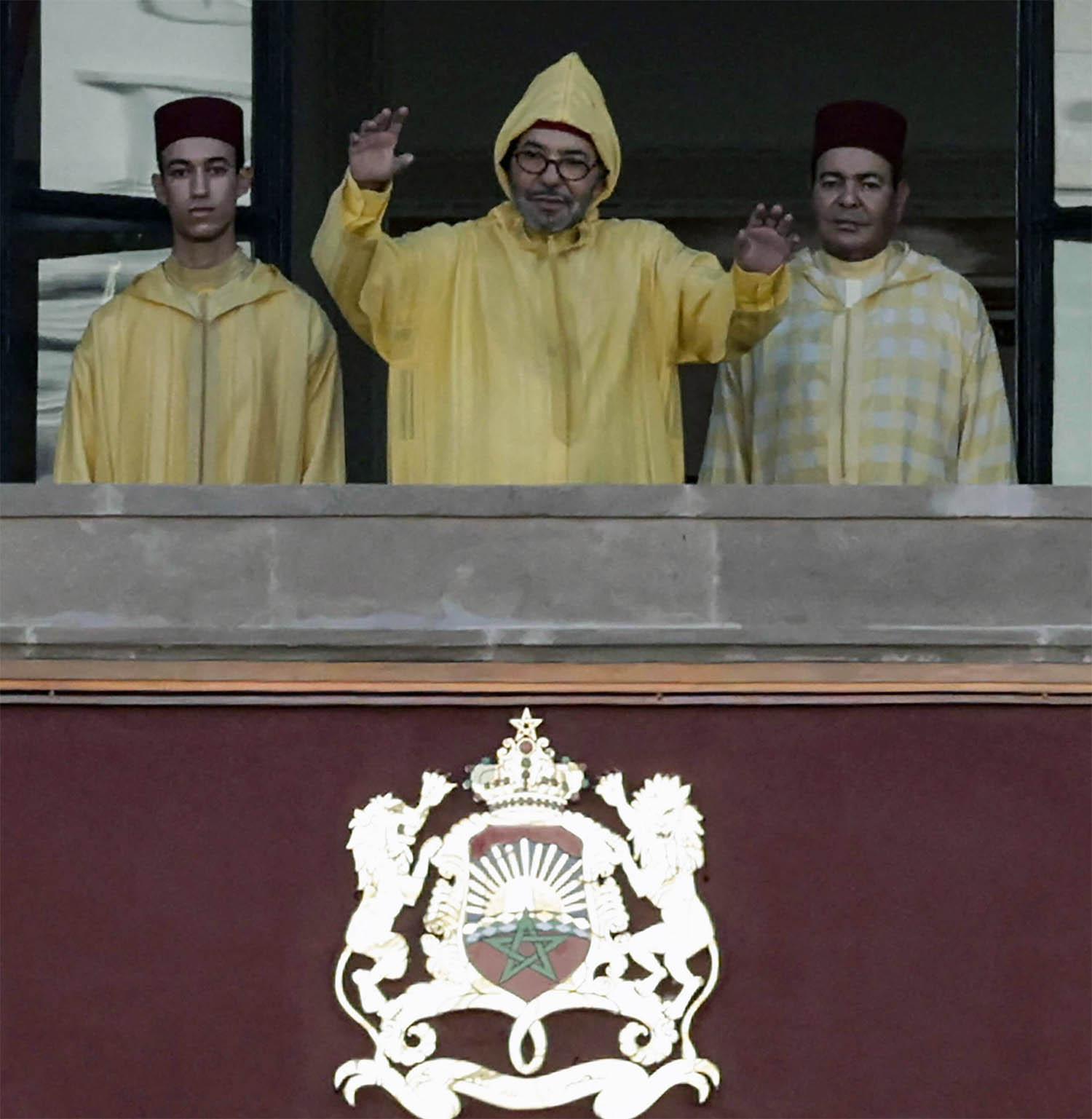
A speech for social justice and equal opportunities
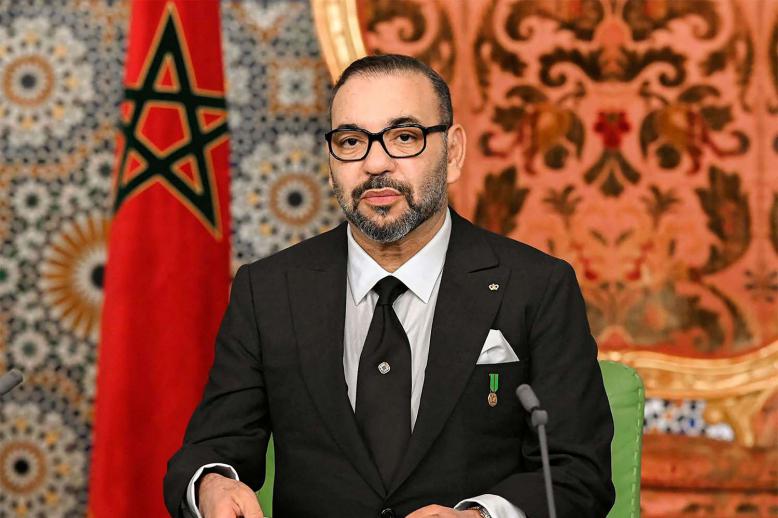
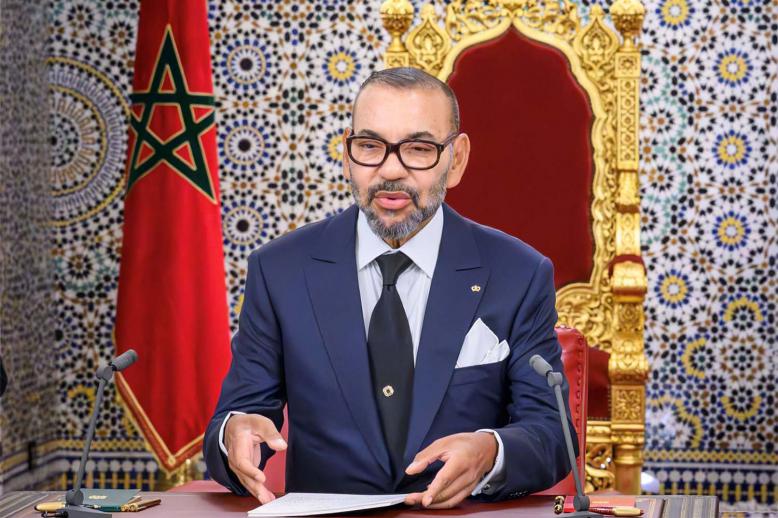
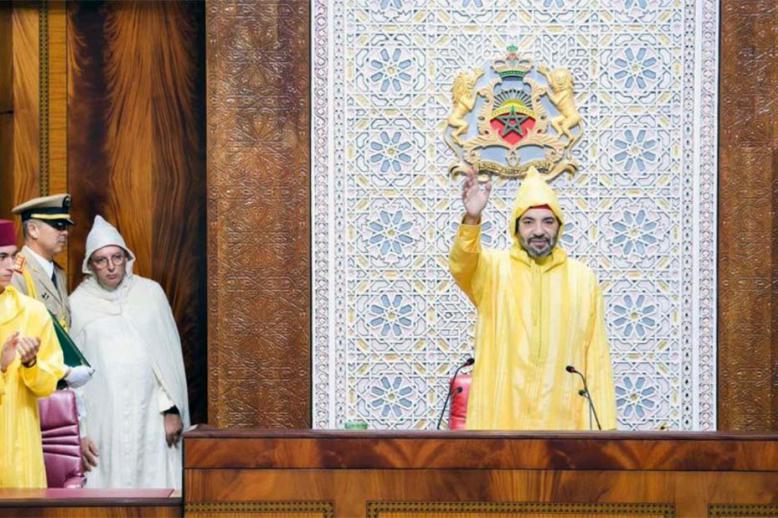
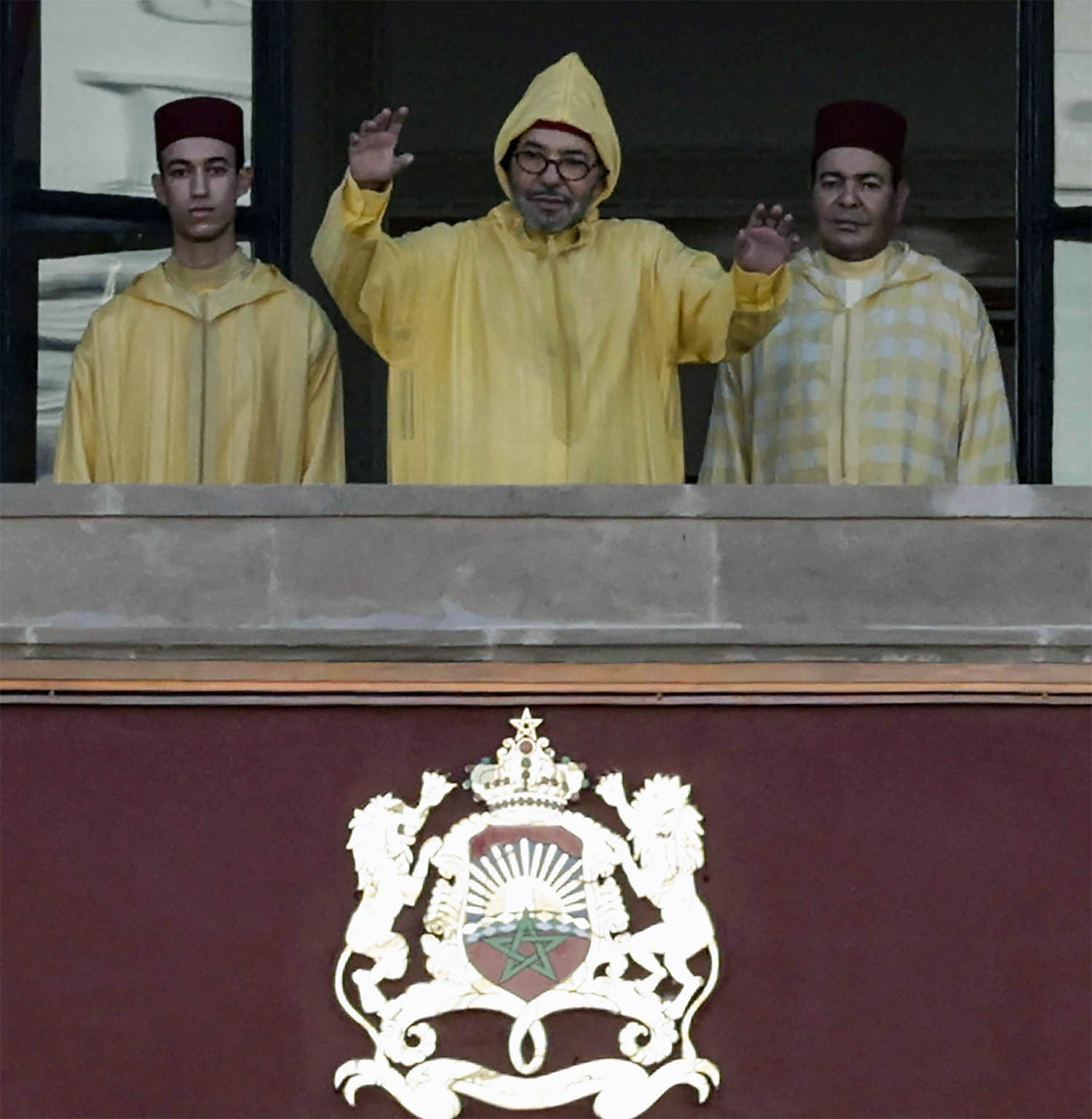
RABAT – Morocco’s King Mohammed VI called on lawmakers to commit to achieving social justice and fighting spatial disparities in the North African kingdom during his speech on the occasion of the opening of the first session of the fifth legislative year of the eleventh legislative term.
Here follows the text of the Royal Speech:
"Praise be to God, and may prayers and peace be upon our Master, the Prophet of God, his family, and his companions.
Honorable Ladies and Gentlemen, Members of Parliament,
Today, with God's help and grace, we open the final legislative year of the current term for the House of Representatives.
This is an occasion to express our appreciation to you for the work you are undertaking, whether in the field of legislation, oversight of government action, or the evaluation of public policies.
We also wish to commend the efforts made to enhance partisan and parliamentary diplomacy in the service of the nation's supreme causes; calling for more diligence and effectiveness, within the framework of cooperation and complementarity with official diplomacy.
As it is the final year for the members of the House of Representatives, we call upon you to dedicate it to work, with a spirit of seriousness and responsibility, to complete legislative plans, implement open programs and projects, and to demonstrate vigilance and commitment in defending the causes of the citizens.
Furthermore, there should be no contradiction or competition between major national projects and social programs, as long as the goal is the development of the country and the improvement of the living conditions of its citizens, wherever they may be.
In the same context, special attention should be given to guiding the citizens and informing them about the initiatives undertaken by the public authorities, as well as the various laws and decisions, especially those that directly concern the rights and freedoms of the citizens.
This matter is not the responsibility of the government alone; rather, it is the responsibility of everyone, foremost among whom are you, the parliamentarians, because you represent the citizens.
It is also the responsibility of political parties and elected officials in the various elected councils at all territorial levels, in addition to the media, civil society actors, and all the vital forces of the nation.
Honorable Ladies and Gentlemen, Members of Parliament,
In our recent Throne Day Speech, we called for accelerating the pace of the emerging Morocco and launching a new generation of territorial development programs.
These, as you know, are among the major issues that transcend governmental and parliamentary tenures.
Our country, thank God, is opening the door, through the dynamics we have launched, towards achieving greater social and spatial justice.
We are also working to ensure that everyone benefits from the fruits of growth and from equal opportunities for the sons and daughters of a unified Morocco in various rights—political, economic, social, and others.
Therefore, we consider the level of local development to be the mirror that truthfully reflects the progress of the emerging and solidarity-based Morocco that we are all working to establish.
Social justice and the fight against spatial disparities are not merely empty slogans or a temporary priority whose importance might diminish according to circumstances;
Rather, we consider them a strategic orientation to which all actors must commit, and a vital stake that should govern various development policies.
Hence, the orientation of the emerging Morocco towards achieving social and spatial justice today requires the mobilization of all its energies.
The major transformation we seek to achieve in the field of territorial development requires a tangible change in mentalities and working methods, and a genuine entrenchment of a culture of results; based on accurate field data and the use of digital technologies.
Therefore, we expect a faster pace and a stronger impact from the new generation of territorial development programs that we directed the government to prepare, within the framework of win-win relationships between urban and rural areas.
This concerns, in particular, the key priority issues we have identified; foremost among them are encouraging local initiatives and economic activities, providing job opportunities for youth, and promoting the sectors of education and health, as well as territorial upgrading.
In this regard, we call upon everyone, from their respective positions, to combat all practices that waste time, effort, and resources; because it is unacceptable to be lax about the efficiency and productivity of public investment.
In addition to our directives in the Throne Day Speech regarding territorial development, we also call for a focus on the following issues:
First: Giving special attention to the most fragile areas, taking into account their specificities and the nature of their needs, especially mountainous regions and oases.
Harmonious territorial development cannot be achieved without real complementarity and solidarity between areas and regions.
It has become necessary to reconsider the development of mountainous areas, which cover 30% of the national territory, and to endow them with an integrated public policy that considers their specificities and their many assets.
Second: The optimal and serious implementation of the mechanisms for the sustainable development of the national coasts, including the law relating to the coast and the national coastal plan.
This should contribute to achieving the necessary balance between the accelerated development of these spaces and the requirements for their protection and the enhancement of their significant assets, within a national maritime economy that creates wealth and job opportunities.
Third: Expanding the scope of the program for emerging rural centers, as they are an appropriate mechanism for managing urban expansion and mitigating its negative effects.
These emerging centers would also constitute an effective link in bringing administrative, social, and economic services closer to citizens in the rural world.
Honorable Ladies and Gentlemen, Members of Parliament,
The year ahead of us is full of projects and challenges.
We expect from all of you—government and parliament, majority and opposition—to mobilize all energies and capabilities, and to prioritize the supreme interests of the nation and its citizens.
May God protect you. Be worthy of the trust placed in you, and equal to the responsibility you bear, and to what serving the homeland requires in terms of integrity, commitment, and self-denial.
The Almighty has said: 'So whoever does an atom's weight of good will see it, And whoever does an atom's weight of evil will see it.' Truly, God Almighty has spoken.
May the peace, mercy, and blessings of God Almighty be upon you."