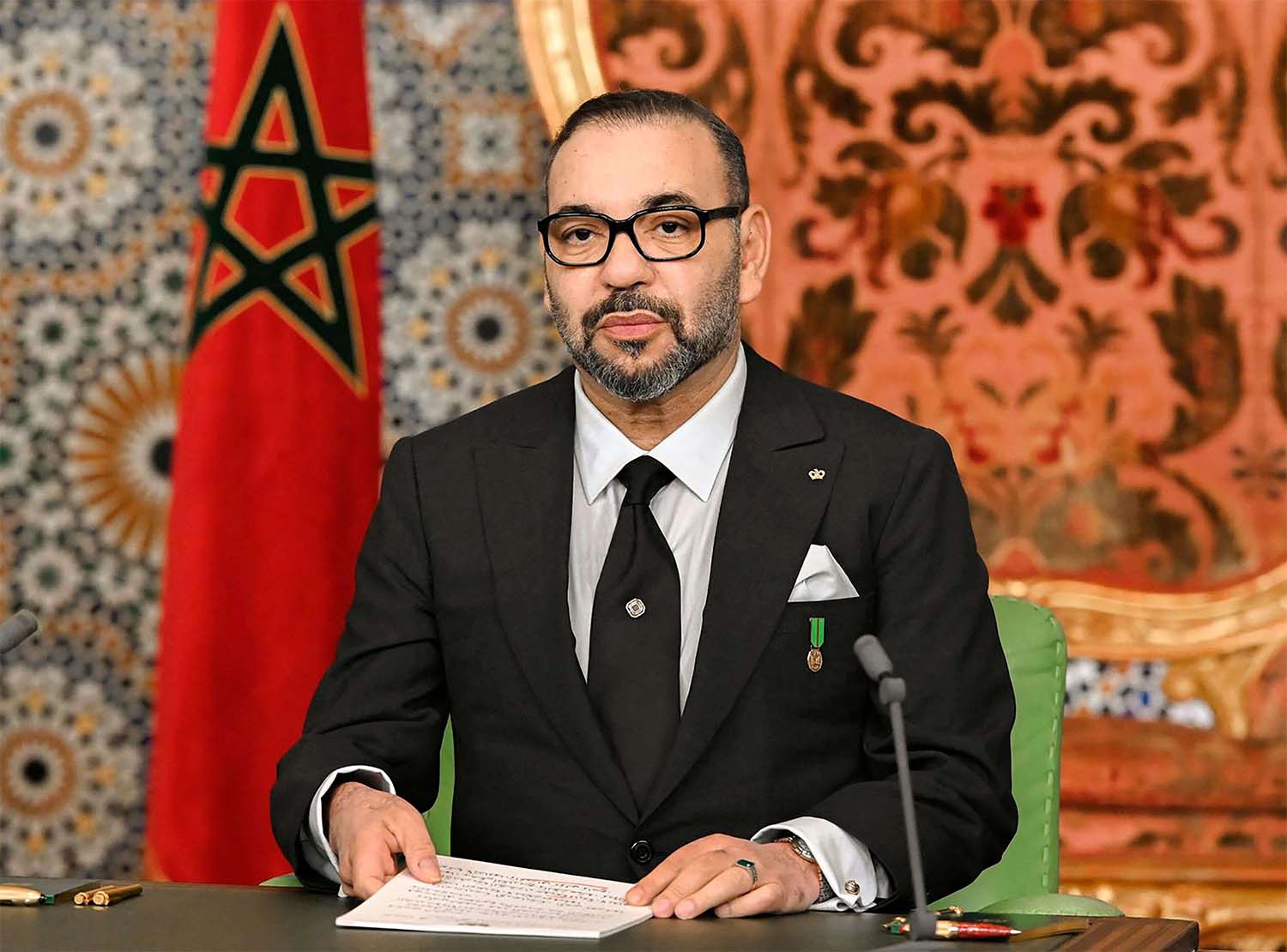
King Mohammed VI called for a "sincere fraternal dialogue" between Morocco and Algeria
The Moroccan lesson
In any case, Morocco is present in its Sahara. The ball is now in Algeria's court. The autonomy plan is the last opportunity to ensure lasting peace and stability in the region.
Tuesday 04/11/2025
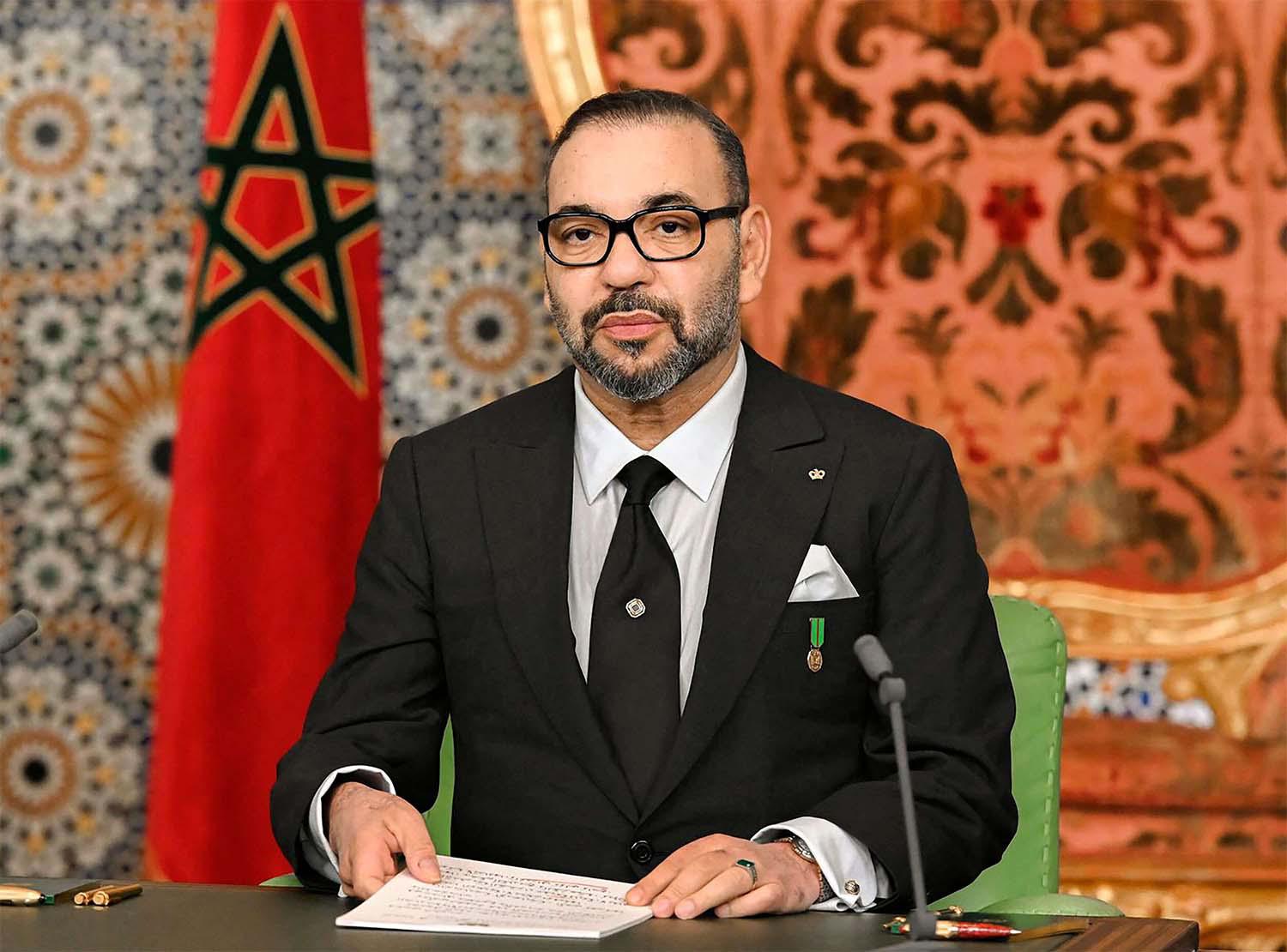
King Mohammed VI called for a "sincere fraternal dialogue" between Morocco and Algeria
Morocco has endured for five decades, defending the unity of its territories. Throughout these years, it has been in a state of attrition war - militarily, financially, and economically. Yet, this situation did not push it to declare a state of emergency, suspend the constitution, ban political parties, or shut down opposition newspapers. Instead, it went against the prevailing trend at the time in most Third World countries and moved forward in building the democratic process and consolidating freedoms.
Following the organization of the peaceful Green March in 1975, called for by the late King Hassan II and involving 350,000 Moroccans (though the actual number of participants, as the late Abdelhadi Boutaleb, advisor and minister to King Hassan II, confided in me, exceeded 500,000 participants), Algeria hosted an armed group, the "Polisario Front," on its soil, making it clear that it had decided to launch an aggression against Morocco.
At the height of the Sahara War, King Hassan II launched what was then termed the "Democratic Process," issuing the first Charter for Local Communities (Municipalities), which was considered an advanced charter at the time. Municipal and rural elections were organized in 1976, followed by legislative elections on June 3, 1977.
King Hassan II carried the rifle to defend the unity of the nation with one hand, and raised the torch of building and strengthening the state with the other. Throughout the fifty years of the battle to defend sovereignty over the Sahara, the democratic process did not stop for a single moment; rather, it continued steadily until it culminated in the formation of the consensual alternation government in 1998, led by the staunch opposition party "The Socialist Union of Popular Forces," headed by Abderrahmane el-Yousfi.
When King Mohammed VI ascended the throne succeeding his father in the summer of 1999, he followed the same path, while developing and enriching it.
This, then, is the "Moroccan Lesson," which shows how to achieve a balance between defending the homeland and repelling aggression, while simultaneously building the state and steadily progressing on the path of development and infrastructure completion. It is a distinctly Moroccan equation.
Today, following the issuance of UN Security Council Resolution 2797, which endorsed the autonomy proposal presented by Rabat in 2007, Morocco is entering a new phase due to an unprecedented diplomatic breakthrough. This prompted King Mohammed VI to say in his speech to the Moroccan people last Friday evening: "We are living a pivotal stage and a decisive turning point in the history of modern Morocco. There is what was before October 31, 2025, and what will be after it."
On January 6, 1989, a meeting took place in Marrakech between King Hassan II and a delegation from the leadership of the separatist Polisario Front, supported by Algeria.
The late King was decisive, stressing that everything was negotiable except for Morocco's sovereignty over its Sahara. This meant that Morocco would retain the flag, postage stamps, national currency, foreign policy, and defense, while the leaders and members of the Front would return to Morocco without exception, with guarantees against prosecution or retaliation, and the integration of their military and political cadres into Moroccan state institutions (the Royal Armed Forces, territorial administration, parliament, etc.).
King Hassan II then raised the slogan "The Homeland is Forgiving and Merciful," in a clear message that the state is capable of embracing its sons no matter the disagreement, provided there is recognition of the unity of the national territory. However, he also indicated that separation was a red line, and that self-government remained possible, with a high ceiling.
Hassan II's proposals at that time constituted the initial seeds of what would later become known as "autonomy" in the Sahara, which guarantees that the population manages their local affairs within the framework of Moroccan sovereignty. This officially emerged in 2007 during the reign of King Mohammed VI.
The Polisario Front delegation in Marrakech merely listened without responding, as it did not have the authority to make decisions. As for the leadership in the Tindouf camps (southwestern Algeria), their position was one of refusal under clear pressure from Algeria, which was, and still is, imposing a veto on any solution not based on a "self-determination referendum" as it desires.
While the Marrakech meeting did not achieve a final breakthrough, it embodied a transition from the logic of war to the logic of negotiation and formed a stage in the path that led to the UN Settlement Plan in 1991 and the presence of the MINURSO mission. However, organizing the referendum encountered complications in determining identity. Among other things, for example, the Polisario would accept registering a person from the camps on the voter lists, while refusing to register his brother or cousin residing in the Moroccan Sahara.
Between January 6, 1989, and October 31, 2025, much water has flowed under the bridge of the Sahara file. The UN Security Council has adopted the Moroccan autonomy initiative as the only realistic and practical solution. The international mood has changed, and it has become clearer than ever that the conflict is a fabricated regional one, stubbornly clung to by Algeria.
Today, Algeria continues to reject any settlement outside the framework of its desire, even if it leads to a confrontation with the United Nations and the world. Following its lead, the Polisario Front rejected the recent Security Council resolution. Algeria is trying to save face by refusing. But the question remains: how long can this refusal hold?
King Mohammed VI said in his recent speech that despite the positive developments in the Sahara issue, his country remains keen to find a solution with no victor and no vanquished, one that saves face for all parties. He also indicated that Morocco does not consider these transformations a victory, nor does it exploit them to fuel conflict and disputes. Hence came his invitation to Algerian President Abdelmadjid Tebboune for a "sincere fraternal dialogue" between Morocco and Algeria to overcome differences and build new relations based on trust, fraternal bonds, and good neighborliness.
Furthermore, the Moroccan monarch renewed his commitment to reviving the Maghreb Union, based on mutual respect, cooperation, and integration between its five member states.
Imagine a Maghreb region with open borders from Oujda to Saloum on the Libyan-Egyptian border? It would certainly be a paradise on the southern shore of the Mediterranean, and the causes of tension and separation that threaten everyone without exception would recede.
The thousand-mile Maghreb journey begins with a single step: activating the autonomy plan on the ground. This is a clear Moroccan message that saves face for everyone, foremost among them the peoples of the region.
In this context, King Mohammed VI announced his country's intention to update and detail the autonomy initiative and present it soon to the United Nations as the sole basis for negotiation, as the realistic and implementable solution.
In any case, Morocco is present in its Sahara. The ball is now in Algeria's court. The autonomy plan is the last opportunity to ensure lasting peace and stability in the region.
As the autonomy train prepares to depart. Will Algeria choose to board it? Or will it once again deprive those whose destiny it claims to decide of a unique opportunity?
Hatim Betioui is a London-based journalist and Secretary General of the Assilah Forum Foundation.
The article first appeared in Arabic in Elaph