A major shift in the mainstream media
Moroccan media succeeded in being part of the solution, not part of the problem
This new dynamic is also credited to the Moroccan authorities, who allowed a wide margin for the media, realizing that managing public opinion is no longer possible with old methods, but rather through transparency and openness.
Thursday 09/10/2025
A major shift in the mainstream media
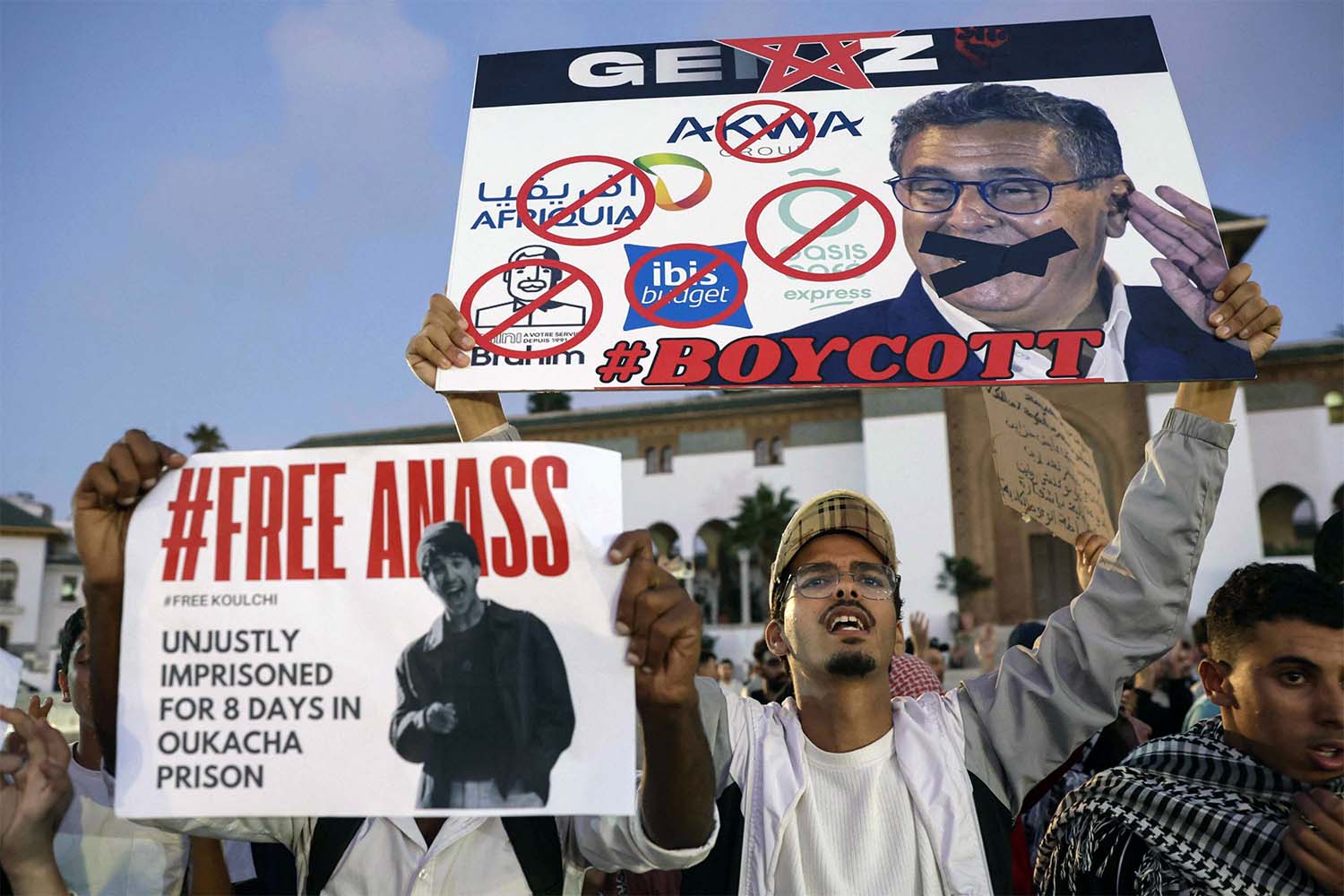
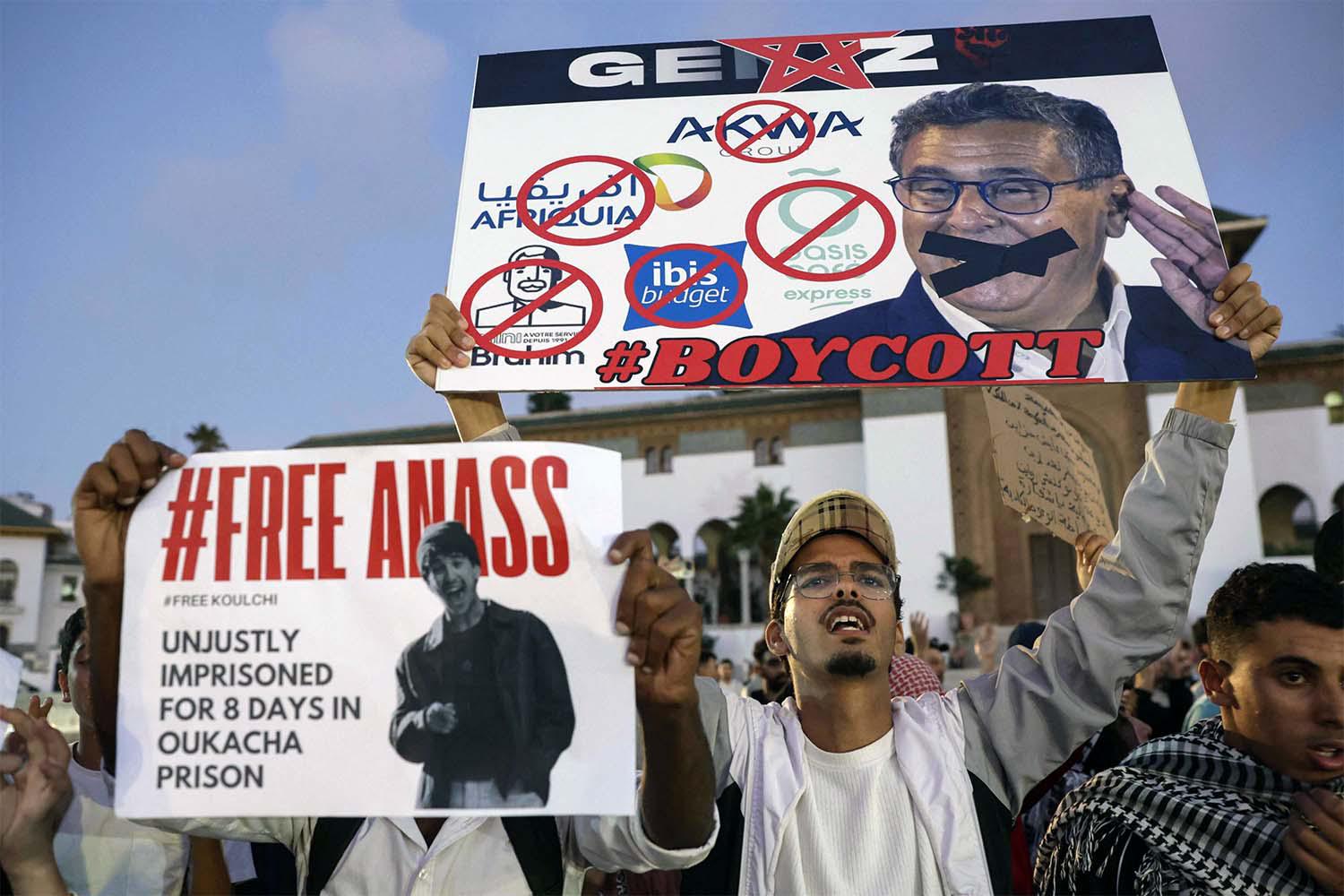
The Moroccan media scene has witnessed a remarkable shift in recent days. It has become clear that media outlets, both public and private, have regained the initiative in covering the "Generation Z" protests and organizing public debates, presenting a new model for dealing with internal issues, far from the defensive or justificatory discourse that has accompanied official media for decades.
This strong comeback was not merely a situational response to events, but an expression of the maturity of a media experience that has come to understand its role and believe in its ability to lead public opinion, not just follow it. It also represents the fruition of decades-long traditions of journalism in Morocco; as many see it, journalism is a cumulative history and experiences that refine one another.
Since the beginning of the social protests in some Moroccan cities, observers noted that official Moroccan channels entered the fray with unusual speed. They reported facts from the field, hosted youth from "Generation Z," politicians, unionists, and representatives of civil society, and opened their airwaves for discussion and dialogue. Indeed, a large proportion of the video clips circulating from the field were captured by the cameras of journalists affiliated with Moroccan media institutions, who stood side-by-side with both protesters and security forces, with each party performing its assigned role.
This strong and rapid presence of local media cut off the path for foreign channels—especially some Arab satellite stations—attempting to monopolize the narrative about what is happening in Morocco. These days, the Moroccan viewer finds in their country's channels sufficient information and analysis, without the need for external intermediaries who often overload events with more than they can bear.
Moroccan media benefited from the advantage of proximity and familiarity. Its coverage of the events revealed the fragility of coverage coming from abroad, which was mostly out of context, disconnected from reality, and dominated by emotion, influence, and emotional projections and posturing, simply because they know nothing about Morocco, or if they do, they only know superficialities.
The most significant aspect of this transformation is the emergence of unfamiliar scenes in the Moroccan audio-visual space: young presenters discussing directly with ministers on air, confronting them with difficult and pressing questions, and sometimes expressing frank critical positions.
This lively interaction between media and politics is what ultimately creates the vitality of democratic life; the executive authority no longer monopolizes public discourse, and the media no longer deals with it from a position of subordination or fear.
Moroccan media institutions have understood that credibility is built in moments of crisis, and that conveying the internal image clearly and objectively is the best way to defend the country and its image, and to silence the mouths of those lying in wait for it. While some foreign channels sought to stir up tension or present events in a gloomy and dramatic context, the Moroccan media showed that professionalism, calmness, and adherence to reality are sufficient to dispel exaggerations and build trust between the citizen and their country's institutions.
This new dynamic is also credited to the Moroccan authorities, who allowed a wide margin for the media, realizing that managing public opinion is no longer possible with old methods, but rather through transparency and openness. Protests and social demands are no longer considered a "security file" as much as they are an expression of a living society that wants to make its voice heard within the framework of the law.
In this sense, what happened was not just successful media coverage, but a step in a long path towards establishing a distinct Moroccan model for the relationship between the state, society, and the media; a model that balances stability and openness, and freedom of expression and national responsibility. This time, the Moroccan media succeeded in being part of the solution, not part of the problem, and pulled the rug out from under the feet of external narratives that have long sought to monopolize speaking on behalf of the Moroccan street and to fish in troubled waters.
The recent experience has proven that when Moroccan journalism is given trust, it can be a true voice for the nation and the citizen, and that when a citizen finds a voice from within the nation speaking about their concerns, dreams, and aspirations, they will certainly not turn to external platforms to express themselves, or to a fifth column whose only goal is to create sedition, confusion, and noise, and to strike at the nation's institutions and undermine trust in them by spreading rumors, false news, and leaks that have much behind them.
Hatim Betioui is a London-based journalist and Secretary General of the Assilah Forum Foundation