

A book about an iconic symbol of Moroccan resistance against Spanish colonialism
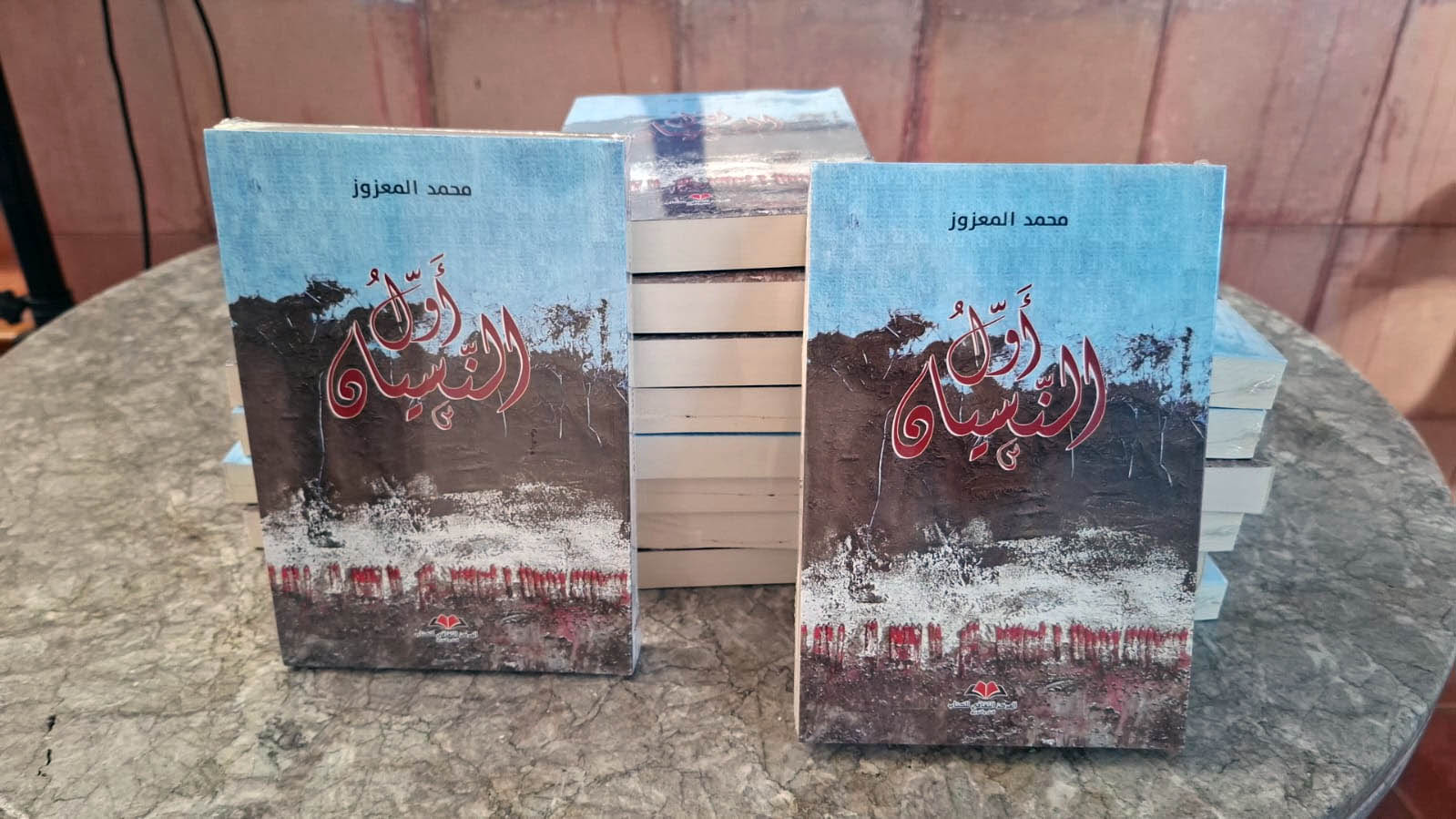
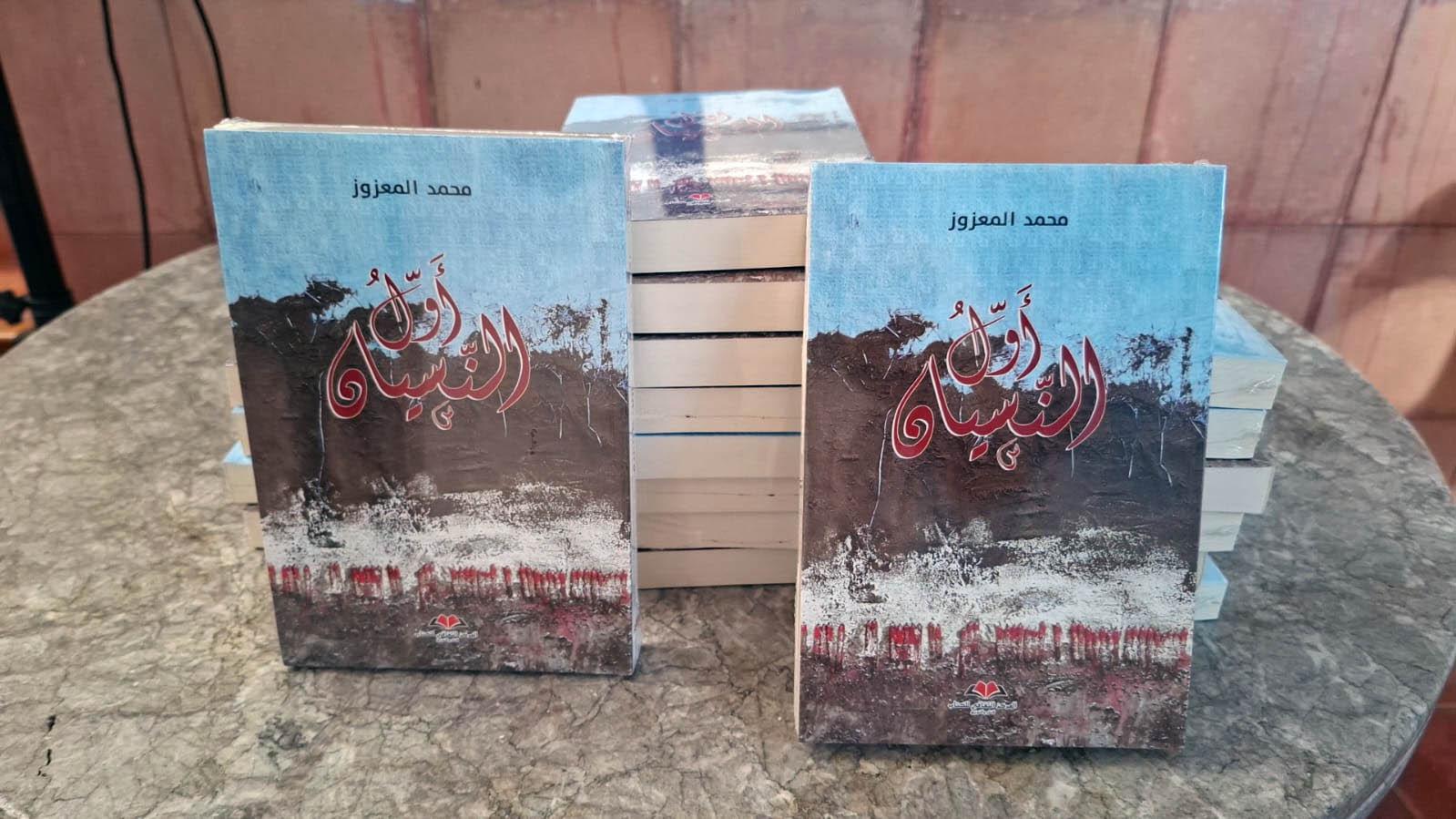
Morocco’s Maâzouz launches "The First of Forgetfulness" book in Assilah
Secretary General of the Assilah Forum Foundation says the Moroccan author's latest novel is dedicated to one of the symbols of the Moroccan struggle against colonialism, Muhammed Ibn Abdelkrim Al-Khattabi.
Sunday 12/10/2025
A book about an iconic symbol of Moroccan resistance against Spanish colonialism
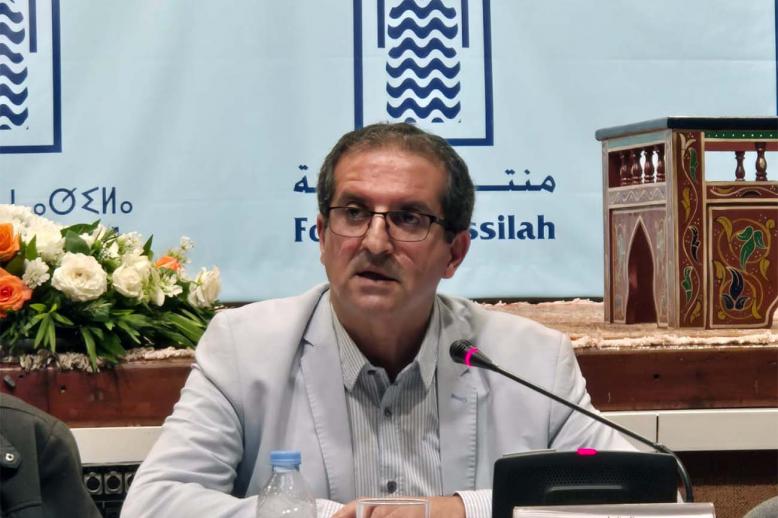
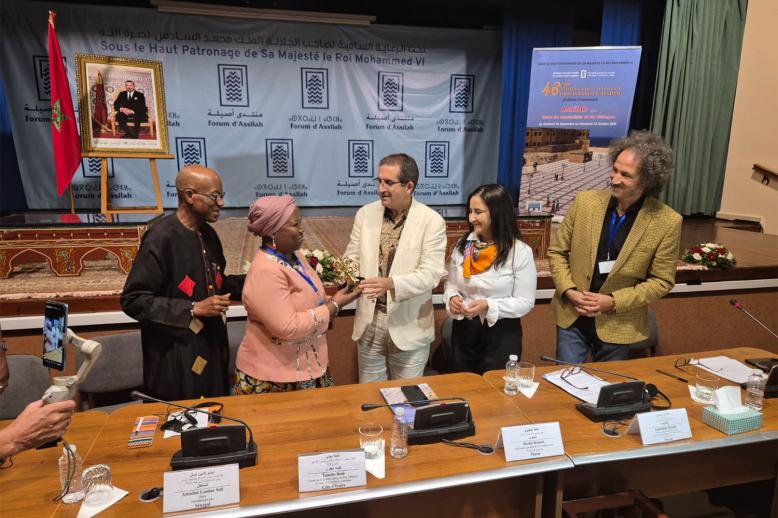
ASSILAH – Moroccan author launched Saturday his book “The First of Forgetfulness” at the Hassan II Centre for International Encounters as part of the 46th session of the Assilah Form.
Hatimi Betioui, Secretary General of the Assilah Forum Foundation, said that the Foundation has consistently dedicated segments for signing recent books and publications during the International Cultural Season of Assilah, for creators, thinkers, and political figures.
“Mohamed El-Maâzouz is a researcher in the fields of political thought, anthropology, and aesthetics, and is a novelist with several published works. He is also an active figure in the Moroccan political scene, having held several responsibilities and contributed, in this capacity, with numerous opinion pieces, some of which were presented here in Assilah,” said Betioui.
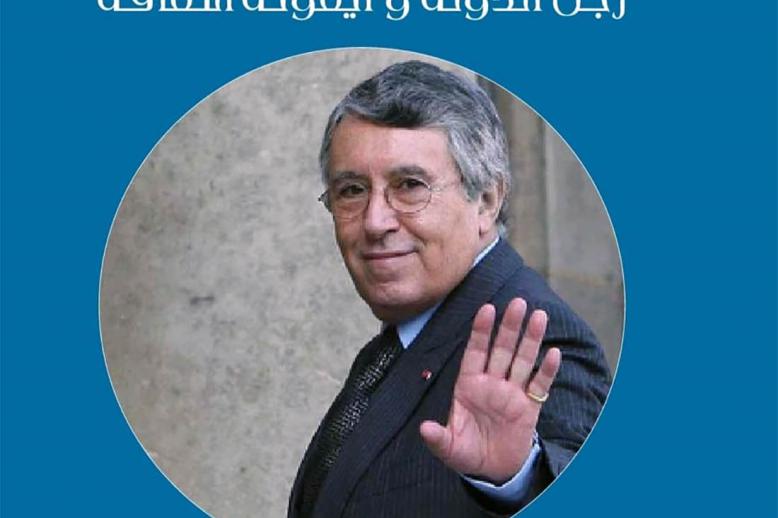
He stressed that Maâzouz’s latest novel, like the rest of his works, is not without a political tone as it is dedicated to one of the symbols of the Moroccan struggle against colonialism, Muhmamed Ibn Abdelkrim Al-Khattabi.
“This leader has not received much attention in Moroccan literature, nor in drama or cinema. Therefore, El-Maâzouz's novel can be considered, in this context, an additional effort in the process of reconciliation with the national memory and its recovery for the new generations,” said Betioui.
Maazouz said that his novel was written within a specific historical context necessitated by the Moroccan celebration of their national historical mentors; the esteemed Al-Khattabi.
“The novel tried to choose in one stage the exile of Muhammed Ibn Abdlkrim al-Khattabi to the island of La Réunion, meaning between 1926 and 1947, which he spent in exile. It's a period of approximately 21 years in exile,” said Maazouz.
The author said that the novel tried to portray Abd al-Karim al-Khattabi as that man who was not known as Ibn Abd al-Karim Al-Khattabi: as a freedom fighter, as a man of war, but he was not known as a man, as a human with his own personal and private concerns, how he bore the wound of exile and how he tried to show this wound or to express this wound, and to show it at the same time through that harsh solitude he experienced, while he remembers the homeland and its people.