

Algeria and Polisario no longer have broad room for manoeuvre
Morocco set to present updated autonomy proposal at Madrid talks
Morocco is preparing to present an updated version of its autonomy proposal, originally submitted in 2007, in a detailed document of approximately 40 pages.
Sunday 08/02/2026
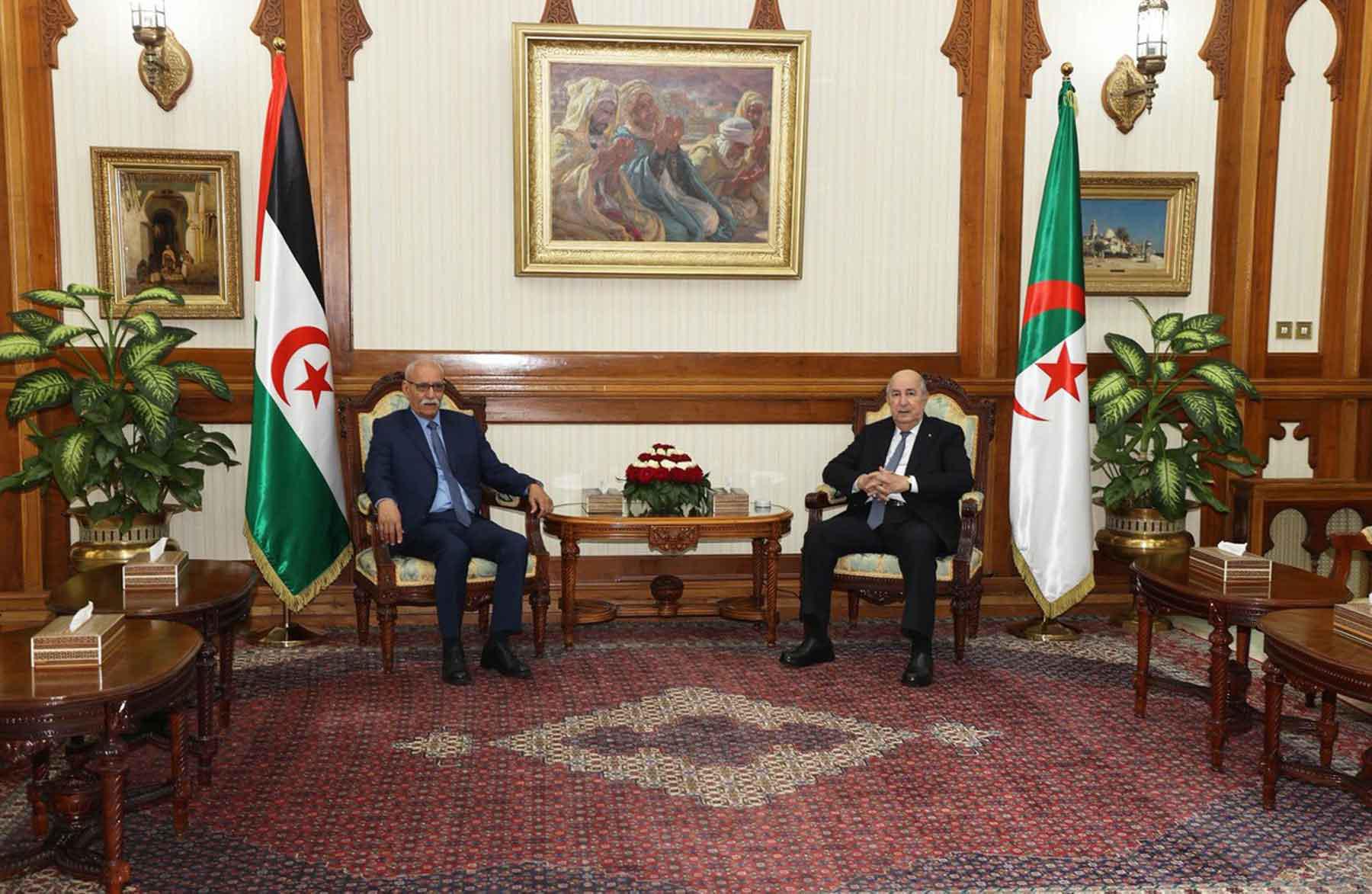
Algeria and Polisario no longer have broad room for manoeuvre
MADRID – Spain’s capital is set to host crucial talks on Sunday on the future of Western Sahara, under United States sponsorship, bringing together Morocco, Algeria, the Polisario Front and Mauritania in what is widely seen as a pivotal moment in efforts to resolve one of Africa’s longest-running territorial disputes.
The negotiations come in the wake of the United Nations Security Council’s adoption of Resolution 2797, which endorsed Morocco’s autonomy initiative as a serious and credible basis for settlement, opening the door to more substantive and direct negotiations between the parties involved.
Morocco is preparing to present an updated version of its autonomy proposal, originally submitted in 2007, in a detailed document of approximately 40 pages outlining governance arrangements for the southern provinces under Moroccan sovereignty. The revised initiative is expected to clarify mechanisms for local self-administration while preserving national unity, in line with Rabat’s long-standing position that autonomy represents the most viable political solution to the dispute.
The Security Council has repeatedly called on all stakeholders, including Algeria, to engage constructively in negotiations based on realism and compromise. The recent resolution received broad international backing, with 11 countries voting in favour, three abstentions and Algeria not participating in the vote, underscoring the shifting diplomatic landscape surrounding the issue.
Spanish newspaper El Confidencial reported that representatives of US President Donald Trump will participate in the Madrid talks, reflecting Washington’s direct engagement in facilitating dialogue between the parties. Observers believe the US role could help translate diplomatic understandings into concrete progress after decades of procedural management that has failed to produce a definitive resolution.
Morocco’s updated autonomy initiative reflects what analysts describe as a significant shift in the diplomatic trajectory of the dispute, moving discussions away from traditional independence-focused frameworks towards pragmatic political arrangements centred on autonomy within Moroccan sovereignty. Rabat hopes the revised proposal will reinforce its credibility and align with growing international support for negotiated political solutions rather than indefinite deadlock.
The US decision to sponsor the talks highlights Washington’s strategic interest in stabilising North Africa and the Sahel region, where ongoing security and economic challenges have heightened concerns about regional instability. Hosting the negotiations in Madrid carries both symbolic and practical significance, given Spain’s historical ties to the territory and its position as a European actor capable of providing a relatively neutral diplomatic environment.
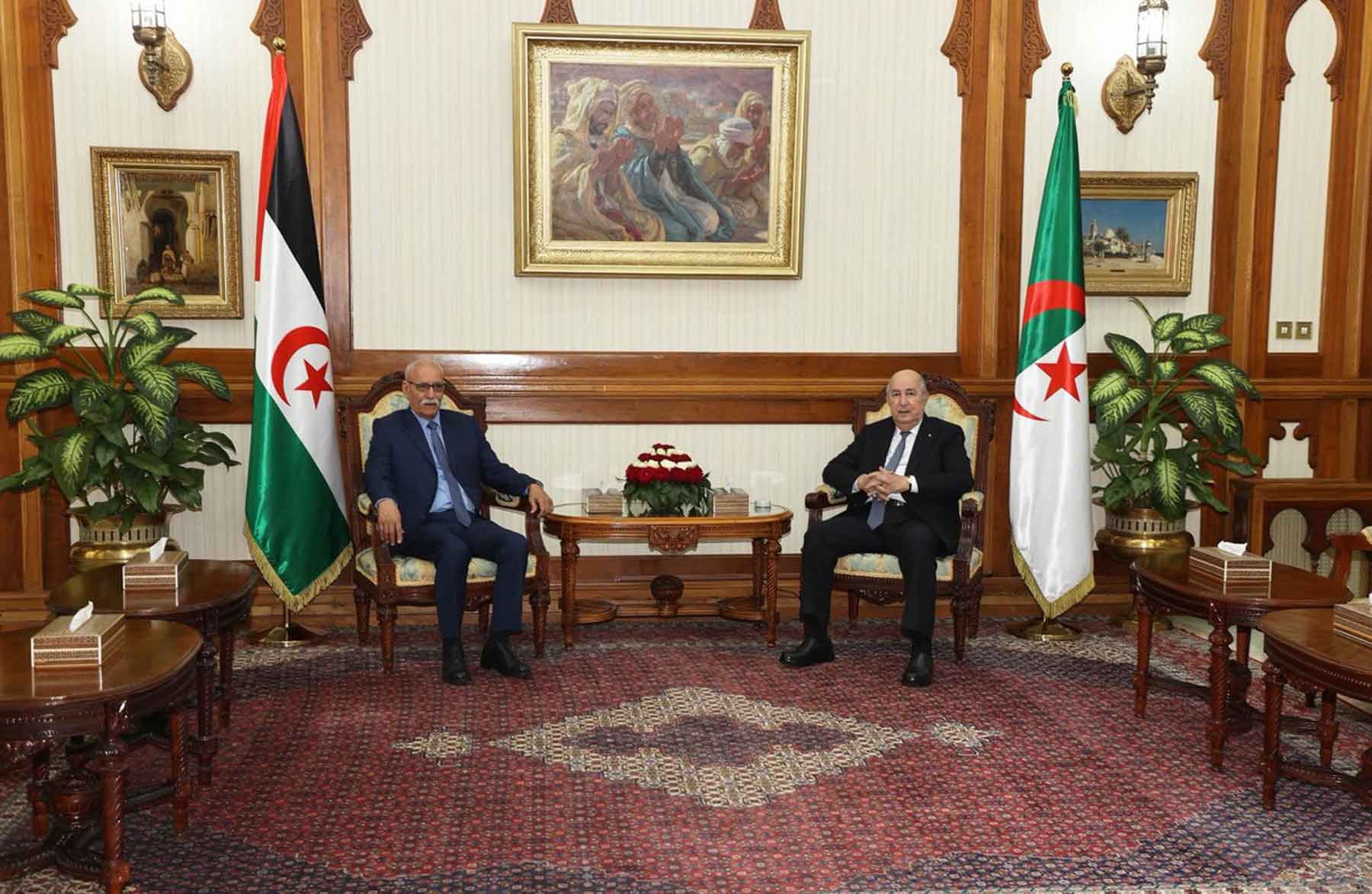
The inclusion of Algeria and the Polisario Front alongside Morocco and Mauritania underscores the regional dimensions of the dispute, whose implications extend beyond Morocco’s borders to encompass broader security and development concerns across the Sahel-Saharan region.
Morocco’s autonomy proposal aims to offer residents of the southern provinces meaningful local governance, while maintaining national sovereignty and ensuring political and economic stability. Moroccan officials argue that autonomy would provide a durable framework for development, investment and institutional stability in the region.
Diplomatic observers note that international momentum has increasingly favoured political compromise solutions, with growing calls for realistic and sustainable arrangements capable of ending decades of stalemate. The Madrid talks are therefore viewed as a critical opportunity to redefine the diplomatic framework and test the willingness of all parties to engage in substantive negotiations.
The outcome of the Madrid round could mark a turning point, not only because it brings all key stakeholders together under US sponsorship, but also because it reflects evolving international engagement and a renewed push for a political settlement. With geopolitical pressures mounting and regional stability at stake, the negotiations may help determine whether a long-sought resolution to the Western Sahara dispute is finally within reach.