


The risk of widespread groundwater collapse becomes very real
New study reveals Morocco’s groundwater crisis deepens
A research led by experts from the International Water Research Institute at Mohammed VI Polytechnic University (UM6P) in Benguerir shows that over the past 50 years, the aquifer has lost more than half of its water reserves—declining from 17 billion to just 8 billion cubic meters.
Thursday 30/10/2025
The risk of widespread groundwater collapse becomes very real
BENGUERIR - A major scientific study published in the international journal Chemosphere (Elsevier, United Kingdom) has revealed a deeply concerning reality beneath our feet: Morocco’s Al-Haouz–Mejjate aquifer, one of the country’s most vital groundwater sources, is rapidly drying up. The research, led by experts from the International Water Research Institute (IWRI) at Mohammed VI Polytechnic University (UM6P) in Benguerir, shows that over the past 50 years, the aquifer has lost more than half of its water reserves—declining from 17 billion to just 8 billion cubic meters.
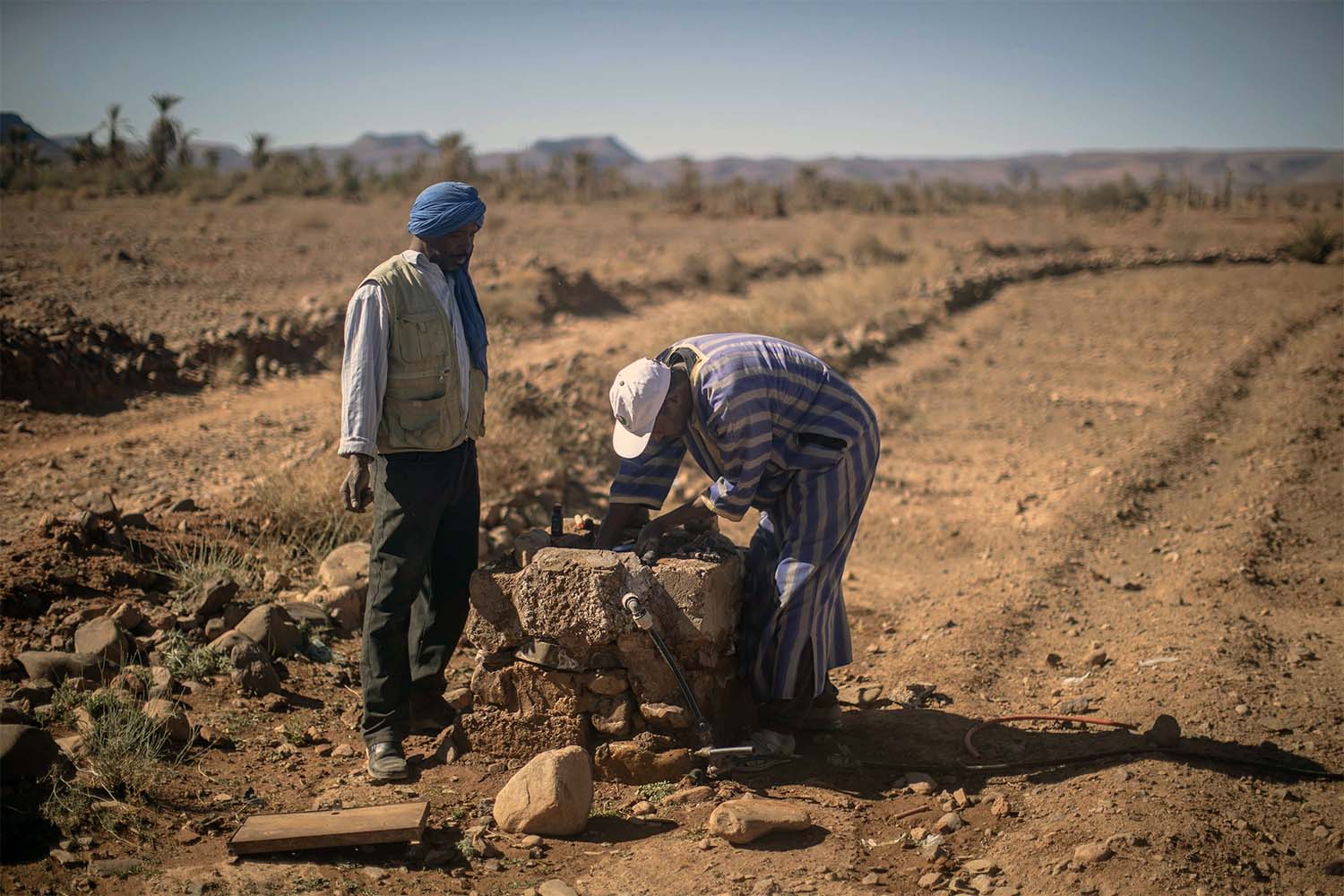
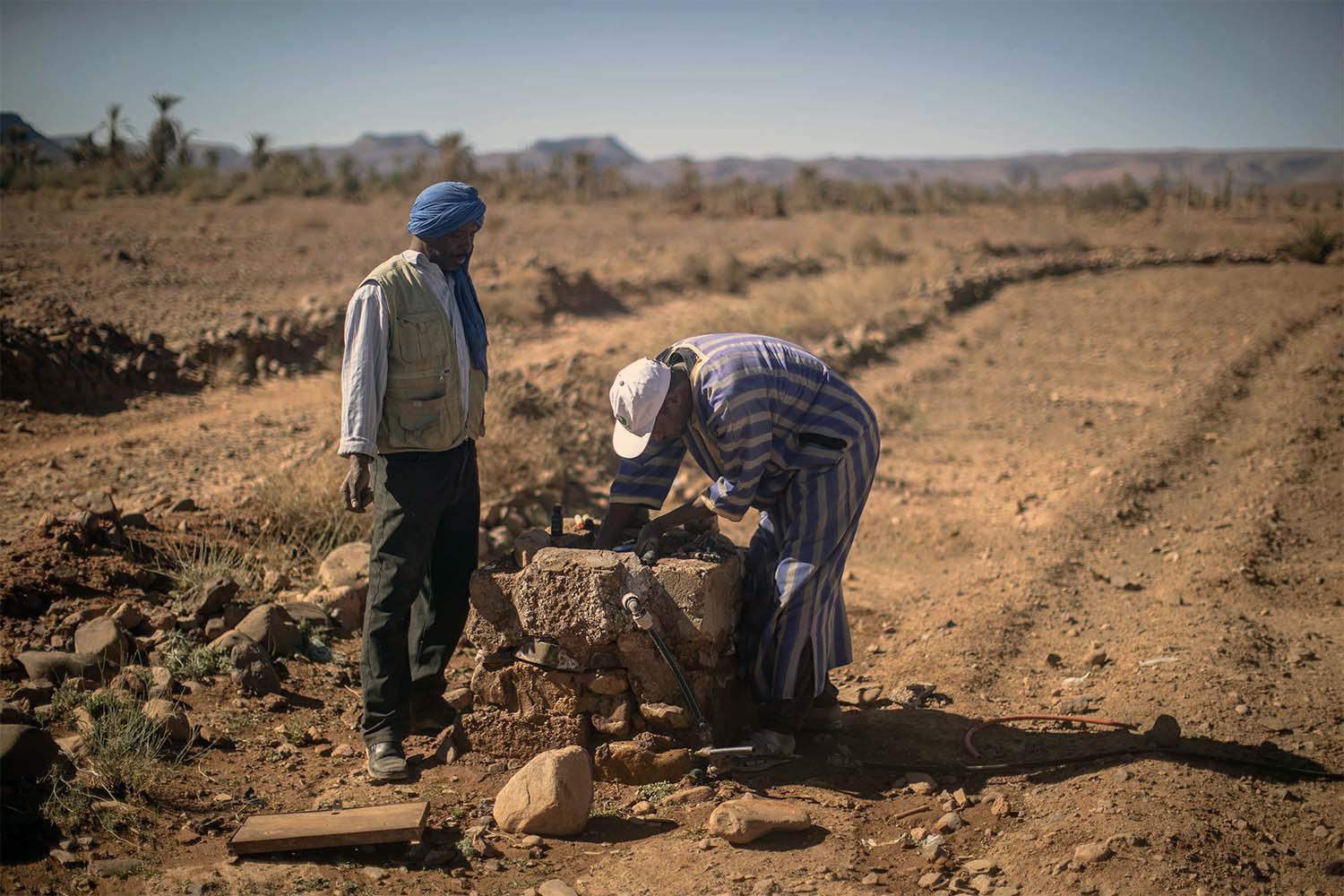
This dramatic decline is largely due to uncontrolled water pumping and agricultural overexploitation, especially during the years of the Green Morocco Plan. While the plan aimed to boost agricultural productivity, it also triggered a surge in groundwater use, pushing the aquifer to dangerous levels. In 2024 alone, wells accounted for 90% of all water taken from the aquifer, a figure expert call “alarming and unsustainable.”
A Warning for All of Morocco
The study doesn’t just sound the alarm for Al-Haouz-Mejjate. It warns that similar aquifers across Morocco, from Souss-Massa to Tadla and beyond, may be facing the same fate. As climate change intensifies and water demand grows, the risk of widespread groundwater collapse becomes very real.
Using advanced tools like satellite monitoring, artificial intelligence, and long-term data modeling, researchers were able to track how rainfall, snowmelt, and irrigation practices affect the aquifer. Their findings show that even though natural recharge has increased slightly, it’s nowhere near enough to balance the massive withdrawals.
The Numbers Speak for Themselves
Groundwater storage dropped by 53% between 1971 and 2024. Maximum water level drawdowns reached 90 meters, and could hit 100 meters by 2040 if current practices continue. Agricultural pumping peaked at over 1 billion cubic meters per year, and dry zones in the aquifer are expanding rapidly, threatening farms, ecosystems, and communities.
What Can Be Done, Key Recommendations
To safeguard the aquifer and ensure long-term water security, the study offers a clear roadmap to reverse the damage. First, reducing groundwater pumping by 25% could significantly stabilize water levels and shrink dry zones by more than half. The researchers also recommend recharging the aquifer artificially by adding water back through managed systems, which could offset deficits and restore balance. Modernizing irrigation systems, such as switching to drip irrigation, would save enormous volumes of water, while rethinking crop choices and encouraging less water-intensive farming could ease pressure on aquifers during peak demand seasons. Finally, strengthening water governance through real-time monitoring and community-based management is essential to ensure that these solutions are implemented effectively and equitably.
A Call to Society
“This is not just a scientific issue, it’s a societal one,” said Dr. Lhoussaine El Mezouary, lead author of the study. “We must act now to protect our groundwater before it’s too late. Every farmer, policymaker, and citizen has a role to play.”
The study is a wake-up call for Morocco and other semi-arid countries. It shows that with the right tools and policies, we can manage our water wisely, but delay will only deepen the crisis.