


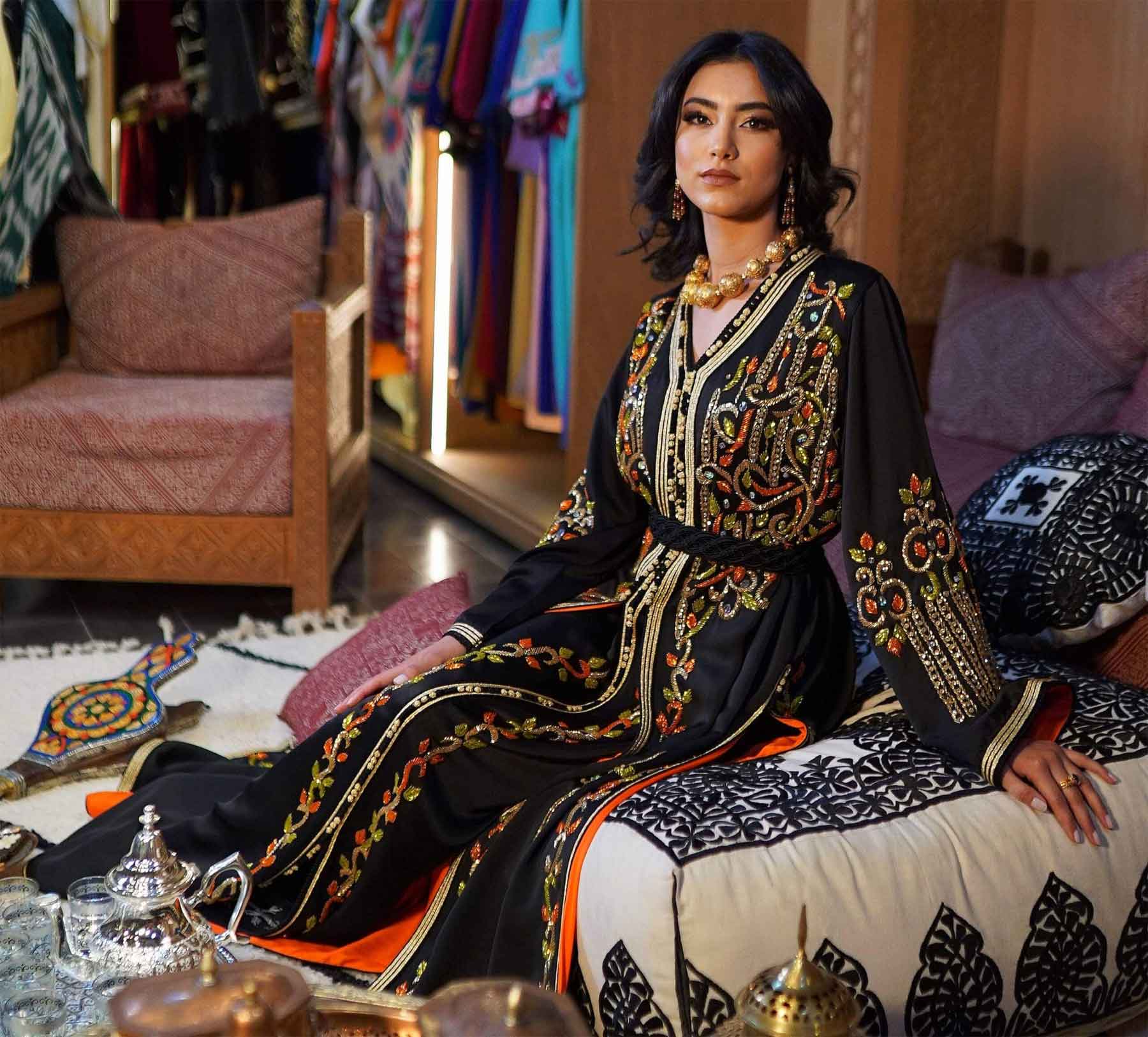
A model wearing the Moroccan caftan poses for a picture.
Morocco cements caftan as national treasure, defeating Algerian challenge
The UNESCO’s decision highlights Morocco’s ability to safeguard its traditions while promoting its identity and artistic legacy to audiences worldwide.
Wednesday 10/12/2025
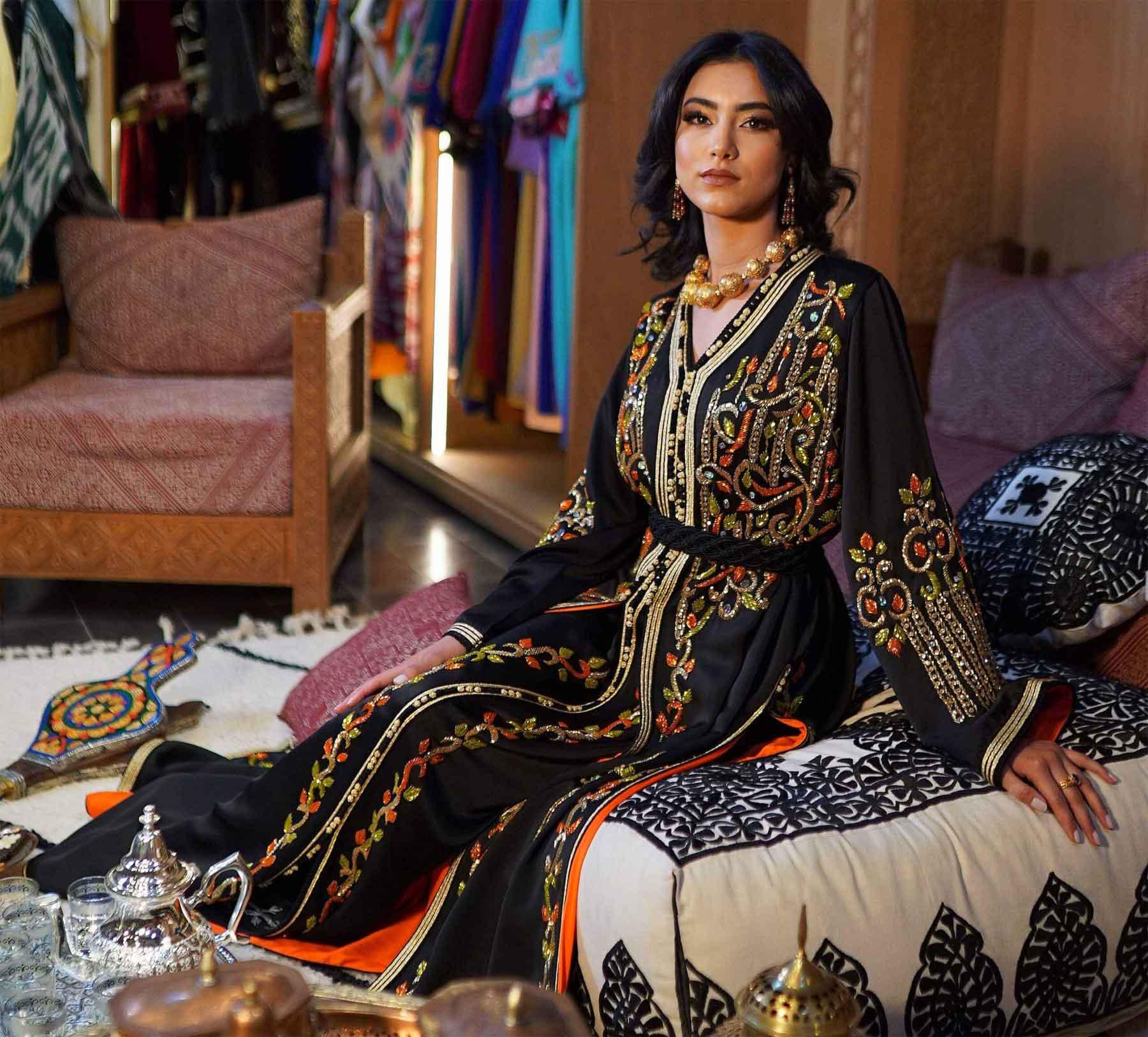
A model wearing the Moroccan caftan poses for a picture.
RABAT
The Moroccan caftan has officially joined UNESCO’s Intangible Cultural Heritage list, a milestone that reinforces Morocco’s soft power and settles a cultural dispute with Algeria, which had previously attempted to claim the Fassi caftan as part of its own heritage.
The completion of this file marks a resounding diplomatic failure for Algiers, which tried until the last moment to block the process by tabling a lone amendment designed to insert the word “caftan” into the title of an eastern Algerian costume previously inscribed in 2024.
UNESCO’s decision confirms the garment as a unique symbol of Moroccan identity and artistry.
The meticulously prepared submission, crafted by Morocco’s Ministry of Youth, Culture and Communication and the kingdom’s delegation in Paris, detailed the caftan’s eight-century history, technical artistry, social significance and the artisans who sustain this living tradition.
The Algerian manoeuvre, led by Ambassador Abdennour Khelifi, aimed to claim the anteriority of the appellation, but the obstruction strategy collapsed in the face of consensus among UNESCO Member States.
Despite sitting on the committee, Algeria could neither impose a veto nor rally support within the Arab group, chaired by Morocco. This setback adds to a series of diplomatic defeats, including Algeria’s failure to prevent Morocco’s election to the UNESCO Executive Board last November.
The Ministry of Culture hailed the recognition as “a new achievement under King Mohammed VI, who continues to prioritise Moroccan culture and heritage.” The statement added that the Moroccan caftan is more than a piece of clothing, as it is a living symbol of Moroccan identity, passed down through generations for more than eight centuries, from mothers to daughters and from master artisans to their apprentices.
“It represents exceptional technical and artistic heritage and is celebrated around the world,” stated the ministry.
This “careful and well-documented” submission also avoided any political elements, focusing solely on the cultural value of the caftan, noted the statement.
Following UNESCO’s decision, the ministry expressed its gratitude to all Moroccan artisans and craftspeople for their hard work, as well as to civil society in Morocco and abroad who help protect and promote the country’s cultural heritage.
From the artisan cities of Fez to the elegant salons of Rabat, generations of craftsmen have perfected weaving, embroidery, and tailoring techniques that make the Moroccan caftan instantly recognisable. Richly decorated robes of silk, velvet, and brocade, often adorned with intricate braiding and buttons, are a staple at weddings, festivals, and ceremonies, bridging centuries of tradition with modern reinterpretations.
The inscription now secures the caftan’s status as a pillar of Moroccan identity. For artisans and creators, this official protection offers a major economic lever and guarantees that this know-how passed down from generation to generation remains safe from attempts at heritage plunder.
Morocco’s successful UNESCO submission not only protects its heritage from cultural appropriation but also asserts the Kingdom’s growing influence on the global stage. The decision highlights Morocco’s ability to safeguard its traditions while promoting its identity and artistic legacy to audiences worldwide.