

Turning Iraq into a platform for regional message-sending
Iran-aligned militias threaten US, raising fears for Iraq’s security
The threats come amid mounting unrest inside Iran, where protests initially led by merchants in Tehran over the sharp collapse of currency have spread to multiple cities and provinces.
Tuesday 13/01/2026
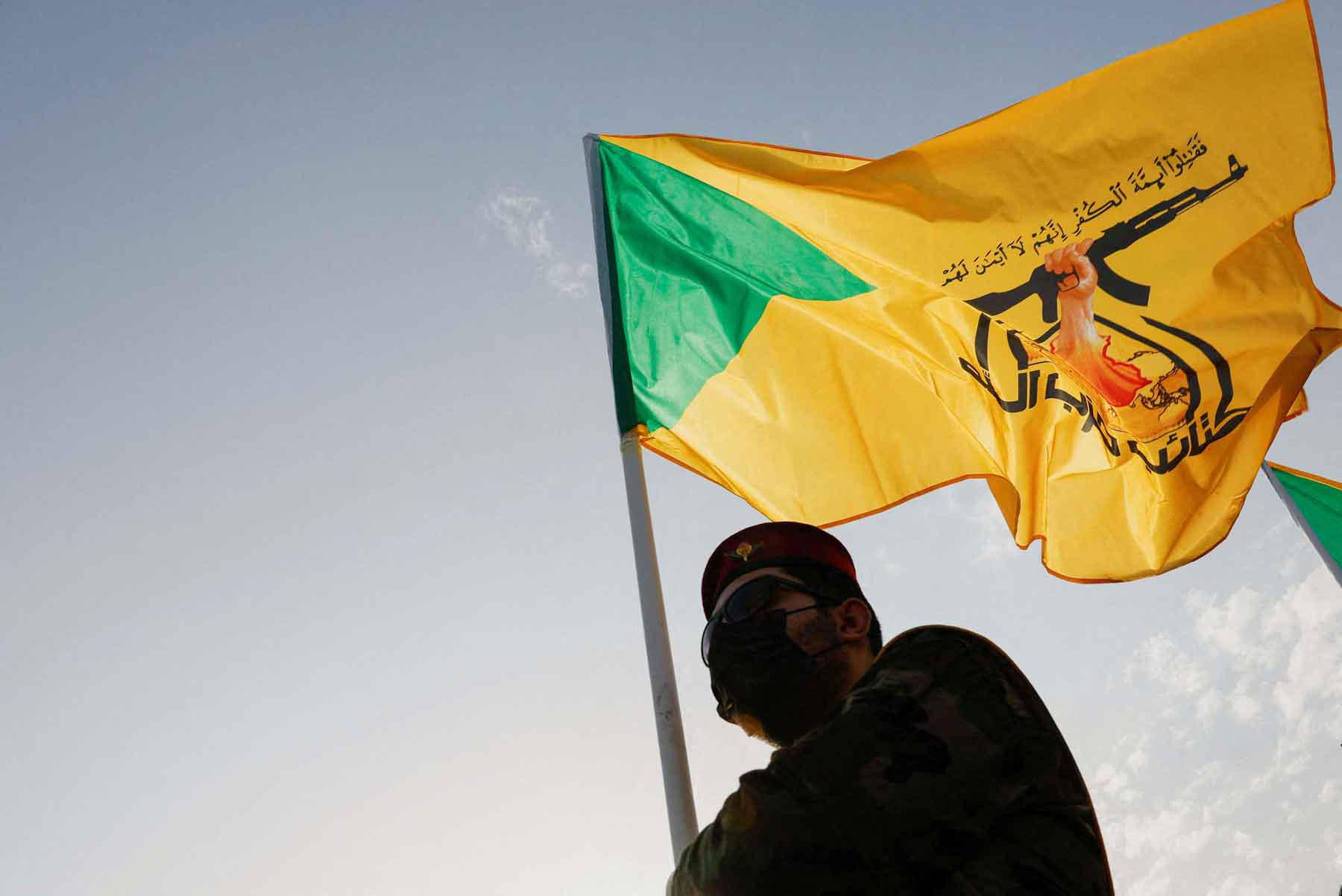
Turning Iraq into a platform for regional message-sending
BAGHDAD –
Recent statements by Iran-aligned Iraqi armed factions have highlighted the increasingly dangerous overlap between Iraq’s informal power centres and Tehran’s regional agenda, at a time when the country is struggling with acute security and economic pressures that leave little room for involvement in conflicts beyond its borders.
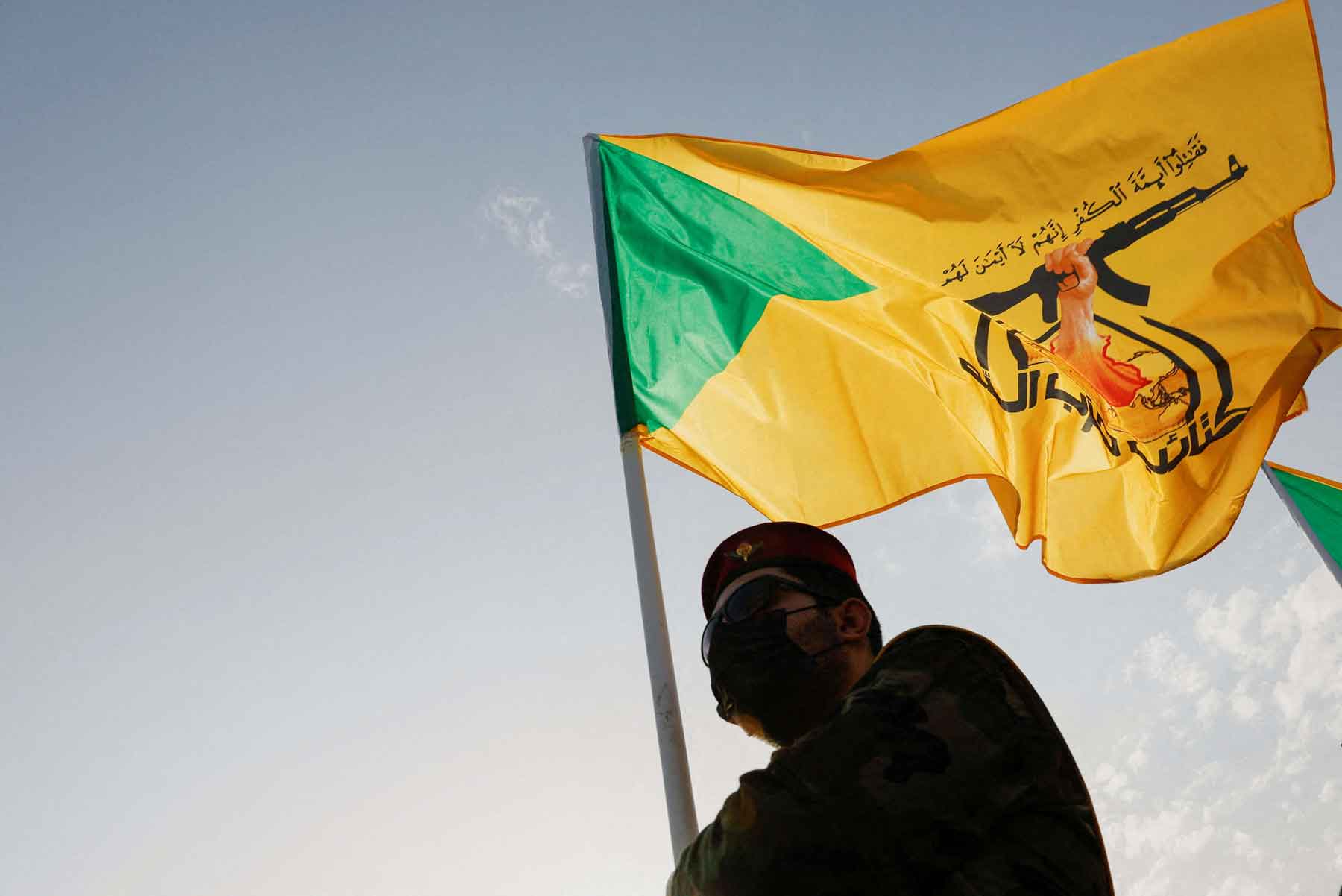
The renewed threats by Kataib Hezbollah to retaliate against any potential US attack on Iran have reopened a sensitive and long-standing issue: the use of armed force outside the authority of the Iraqi state, and the direct risks this poses to national security and Iraq’s international relations.
In a sharply-worded statement issued late on Monday, Kataib Hezbollah’s secretary-general, Abu Hussein al-Humaidawi, adopted an escalatory tone that underscored the group’s regional alignment, openly sidelining Iraqi sovereignty and national interests.
“We are witnessing a new chapter in the struggle between the fronts of truth and falsehood,” he said, portraying the confrontation with the United States as a moral and existential battle rather than a matter tied to Iraq’s political calculations or the priorities of its population.
Humaidawi went on to argue that what he described as the “head of the front of falsehood” was preparing to target the Islamic Republic of Iran, asserting that a “religious and moral duty” compelled fighters to stand alongside the Iranian people. “Defending the sanctity of the Islamic Republic,” he said, “is a defence of the holy sites of the nation.”
The statement went further, issuing a direct warning to Washington in language that has raised alarm among Iraqi observers.
“To the American enemy, we warn: war on Iran is no picnic. It is a fire that, once ignited, will not be extinguished, and you will pay a price far greater than the gains your greedy master seeks,” the group said.
Analysts say the rhetoric reflects the cross-border ideological doctrine embraced by Iran-backed factions, which frame confrontation with the United States as a transnational struggle detached from the Iraqi state’s interests or the country’s fragile stability.
The threats come amid mounting unrest inside Iran, where protests initially led by merchants in Tehran over the sharp collapse of the national currency have spread to multiple cities and provinces. The unrest has resulted in deaths, injuries and hundreds of arrests. While Iranian authorities have described the protests as part of a foreign conspiracy, international criticism has intensified over the heavy-handed security response.
US President Donald Trump has warned Tehran of military action should it continue what he described as the killing of peaceful demonstrators, further escalating tensions between Washington and Tehran.
Against this backdrop, Iranian opposition circles have circulated reports claiming that Tehran has sought assistance from loyal Iraqi militias to help suppress the protests, signalling renewed reliance on transnational armed groups to shore up the regime. According to these accounts, the involvement of Iraqi factions is not unprecedented, echoing earlier deployments in Syria in support of former president Bashar al-Assad.
Sources familiar with the matter say the fighters allegedly involved belong to militias with long-established loyalty to Iran, including Kataib Hezbollah, Harakat al-Nujaba, Liwa Sayyid al-Shuhada and the Badr Organisation. The reports suggest these groups have received direct instructions to assist in security operations aimed at dispersing demonstrators and pursuing activists.
Iraqi political analysts warn that such involvement carries grave consequences for Iraq, effectively placing the country at the heart of a potential Iran-US confrontation and exposing it to military retaliation or political and economic sanctions. This, they argue, comes at a moment when Iraq is seeking to consolidate internal stability and rebuild weakened state institutions.
They also caution that the persistence of armed factions pursuing independent foreign policies undermines state authority and erodes Baghdad’s ability to control its own security destiny. Turning Iraq into a platform for regional message-sending, analysts warn, risks draining national resources and inflicting further shocks on domestic security.
With tensions rising across the region, many observers argue that reining in militia influence and bringing all weapons firmly under state control has become a prerequisite for safeguarding Iraq’s national security and preventing the country from being dragged into conflicts in which it has no direct stake.