




A big relief after seven years of drought
After the rain: Morocco’s moment to secure its water future
The recent abundance reveals the value of foresight. Without dams, transfer systems, and careful basin management, this rainfall would have slipped away unused.
Wednesday 14/01/2026
A big relief after seven years of drought
For seven demanding years, drought weighed heavily on Morocco’s economy, its farmers, and its collective confidence. Water scarcity shaped daily conversations and national priorities. The return of generous rainfall and snowfall is therefore more than a meteorological event—it is a moment of relief, reassurance, and renewed possibility.
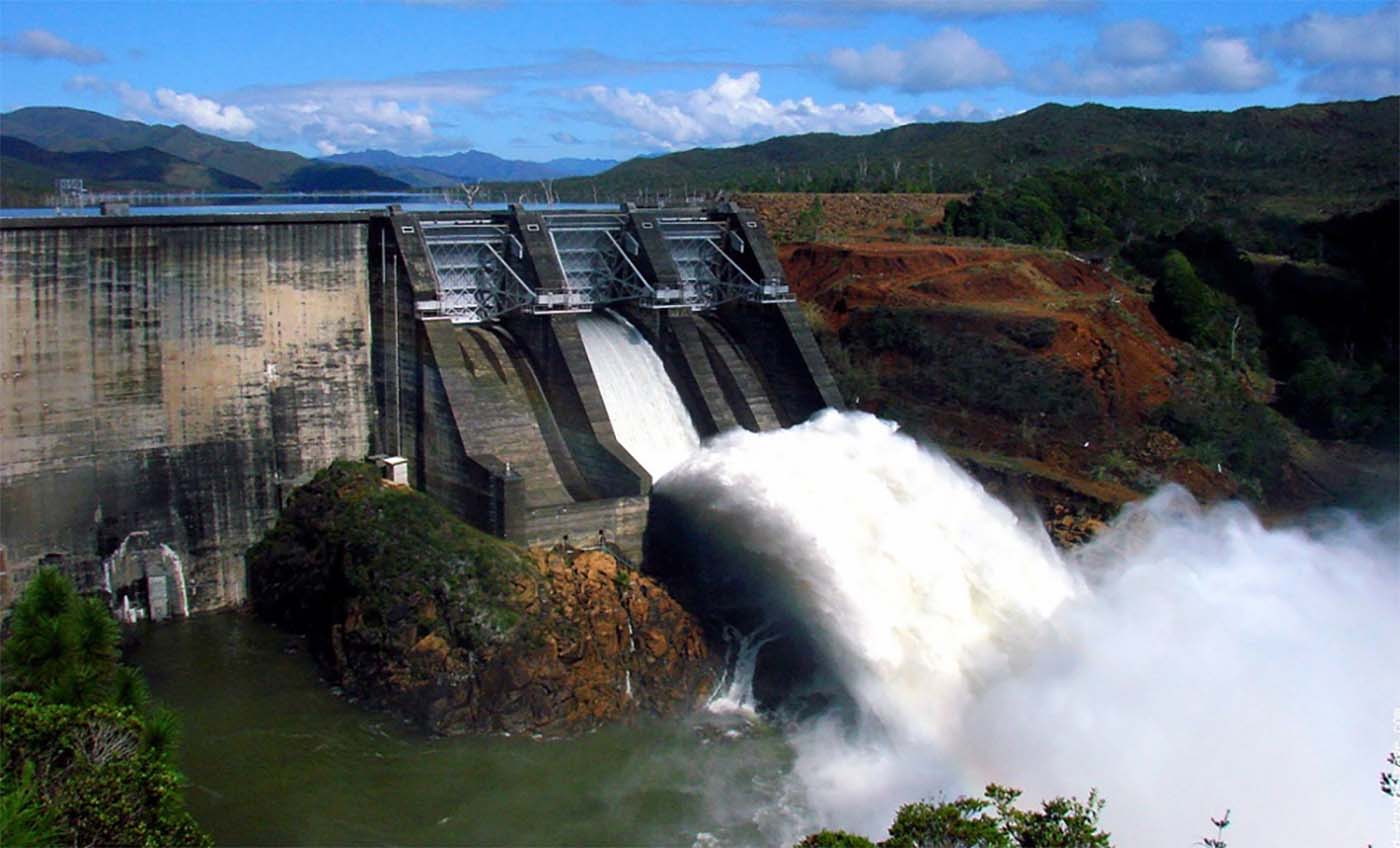
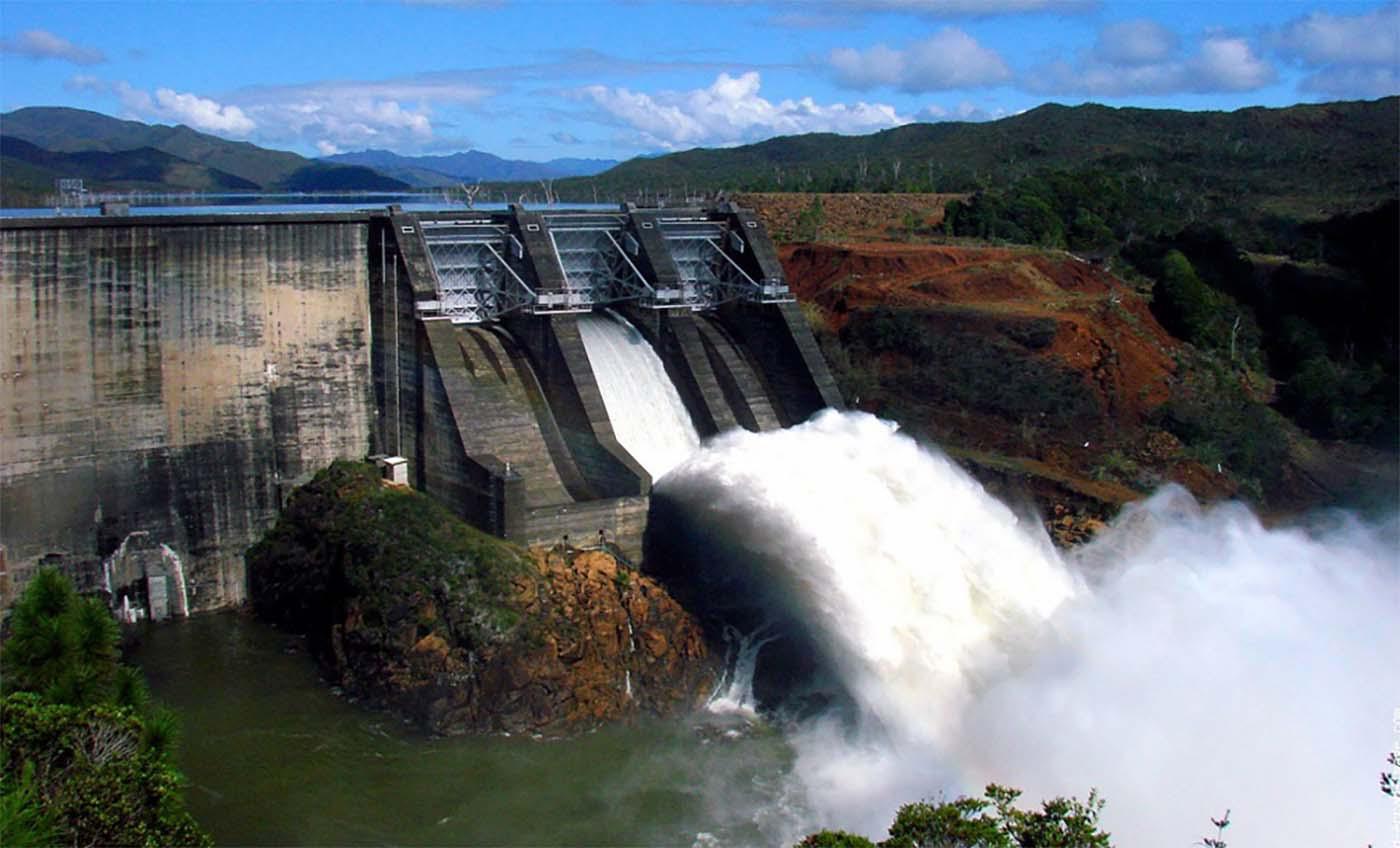
Reservoirs are filling, rivers are flowing again, and mountain ranges are covered in white. Dams that once symbolized anxiety now represent security. This turnaround is not accidental; it reflects decades of investment in water infrastructure that allowed Morocco to capture and store what nature has finally delivered. The country is now enjoying a strategic pause—a chance to breathe, to plan, and to build stronger foundations for the future.
A reward for long-term vision
The recent abundance reveals the value of foresight. Without dams, transfer systems, and careful basin management, this rainfall would have slipped away unused. Instead, it has become a national reserve. This proves that public policy, when patient and consistent, can transform uncertainty into opportunity.
The lesson is encouraging: when Morocco invests wisely, it gains resilience. The current situation is not only about rain—it is about preparedness finally meeting its moment.
Turning abundance into lasting security
Abundance brings responsibility. Managing high inflows safely, protecting communities from floods, and distributing water fairly across regions are now as important as fighting scarcity. The experience of recent years has sharpened institutions, improved coordination, and built technical expertise that will remain useful long after this wet season ends.
Inter-basin connections, often called the “water highway,” are another sign of this evolving vision. They reflect a country that refuses to leave its regions isolated in times of need and believes in national solidarity through shared resources.
Innovation as a source of confidence
Desalination plants, wastewater reuse, and smart irrigation are no longer futuristic ideas—they are part of everyday policy. This technological turn strengthens Morocco’s independence from climate uncertainty. It does not replace rainfall, but it reduces fear of its absence.
Each new station, each recycled drop, and each modernized irrigation system adds a layer of security. Together, they form a safety net that allows the country to face the future with confidence rather than anxiety.
Agriculture ready for a smarter era
The return of rain is a blessing for farmers, but it is also an invitation to modernize. Moroccan agriculture is gradually moving toward more efficient practices—better irrigation, more suitable crops, and improved water management. This transition, supported by the state, can turn farming into a model of climate adaptation rather than climate vulnerability.
Rain has restored hope, but policy will secure stability.
A hopeful turning point
What the skies have offered is not just water—it is momentum. Morocco now has fuller dams, stronger institutions, and clearer strategies than it did before the drought began. The challenge is no longer survival; it is consolidation.
If the lessons of drought are remembered and the opportunities of abundance are used wisely, this period will be remembered not simply as the year the rains returned, but as the moment Morocco truly secured its water future.
