

Deep-seated structural weaknesses in Iraq’s public and private banking sectors
US tightens financial squeeze on Iran-aligned militias in Iraq
Iraq’s fragile institutions and overlapping power structures continue to pose formidable challenges as Washington presses ahead with its economic offensive.
Friday 16/01/2026
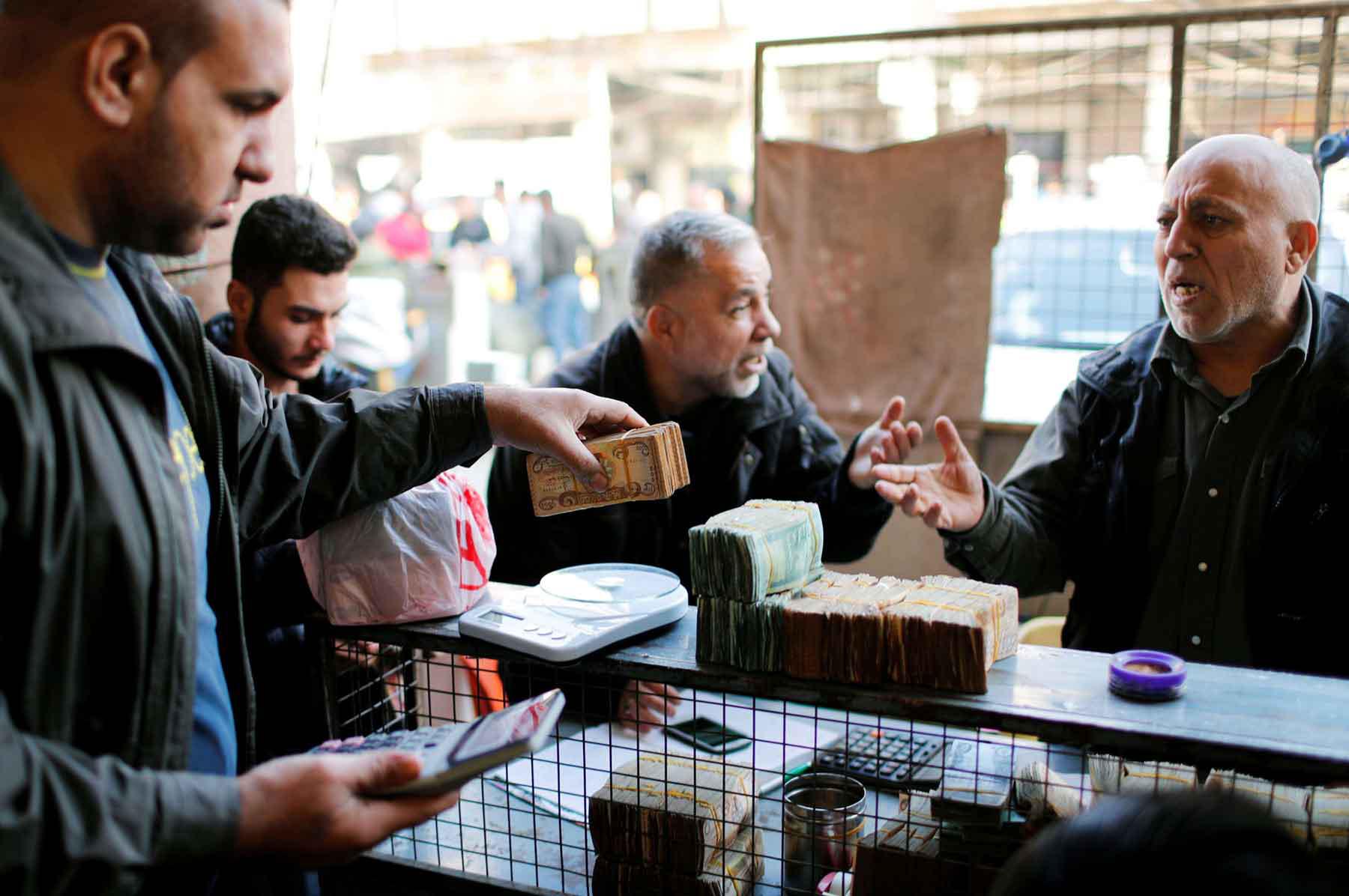
Deep-seated structural weaknesses in Iraq’s public and private banking sectors
BAGHDAD –
As tensions between Washington and Tehran continue to simmer, the United States is escalating pressure on Iran-aligned groups in Iraq through a new strategy focused on dismantling their financial lifelines rather than direct military confrontation.
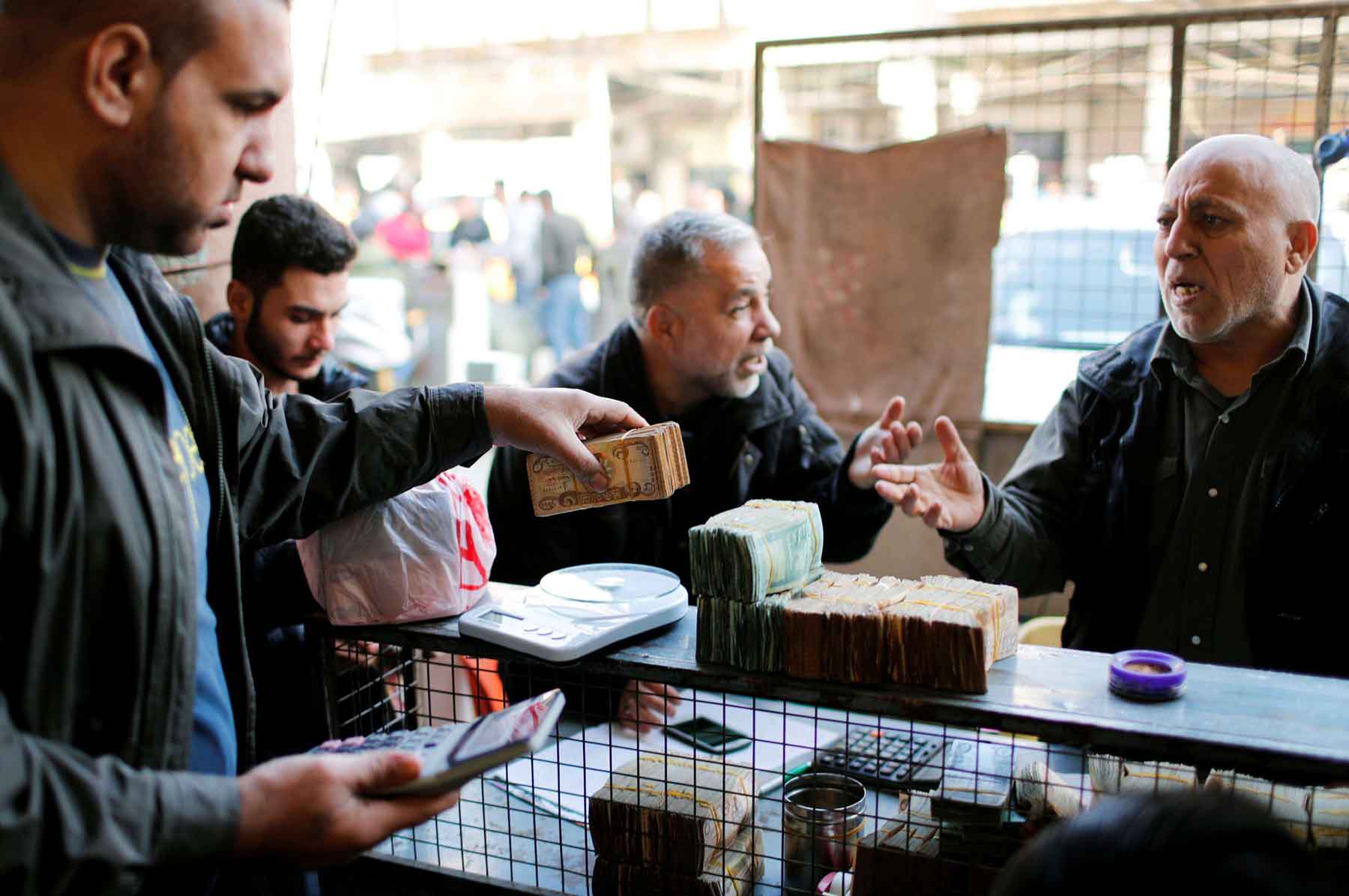
US officials say the approach centres on tightening oversight of Iraq’s banking system, tracking suspicious financial transactions and disrupting funding networks used by armed factions operating outside state control. The move reflects growing confidence in financial tools as a more effective means of curbing Iranian influence in Iraq.
Mark Savaya, the US president’s envoy to Iraq, said Washington had launched intensive efforts in coordination with the US Treasury Department and the Office of Foreign Assets Control (OFAC) to conduct a sweeping review of payments and transfers suspected of links to money laundering, smuggling and terrorism financing within Iraq.
Focus on banking reform and compliance
Savaya said meetings held in Washington focused on deep-seated structural weaknesses in Iraq’s public and private banking sectors, particularly in governance and compliance with international standards. The talks went beyond diagnosing shortcomings, he said, to explore pathways for reform and mechanisms to boost transparency and institutional accountability.
US officials believe such reforms would sharply reduce the ability of non-state actors to exploit the financial system through front companies, fake contracts and fraudulent projects used to funnel money to armed groups.
"We agreed to conduct a comprehensive review of suspected payment records and financial transactions involving institutions, companies and individuals in Iraq linked to smuggling, money laundering and fraudulent financial contracts and projects that finance and enable terrorist activities," Savaya said.
Growing coordination with Baghdad
The financial push comes as the US administration says cooperation with Baghdad has reached unprecedented levels, underpinned by a shared commitment to combating corruption and cutting off funding streams for armed factions. US President Donald Trump has publicly praised Savaya’s role, describing the Iraqi file as one that demands careful management and experienced negotiators capable of navigating its political and security complexities.
For Washington, Iraq remains a critical arena in its long-running confrontation with Iran. Since 2018, the United States has pursued an increasingly hardline policy towards Iraqi factions linked to Tehran, designating several as terrorist organisations and placing them under sanctions as part of its “maximum pressure” campaign.
US officials argue these groups function as extensions of Iran’s Islamic Revolutionary Guard Corps, receiving funding, weapons and training to advance Tehran’s regional agenda against American interests and allies.
Iraqi divisions over armed factions
Inside Iraq, however, the issue remains deeply polarising. Some political forces view the militias as part of the so-called “axis of resistance” and reject US claims that they operate outside the law. Others warn that their growing economic footprint, including control over resources, infiltration of state institutions and widespread corruption, is draining public funds and eroding sovereignty.
The US Treasury has already sanctioned Iraqi banking figures and companies accused of ties to the Revolutionary Guards and Kata’ib Hezbollah, describing these entities as the backbone of militia financing. Washington says such measures are designed to dismantle money-laundering networks that allow armed groups to sustain operations both inside Iraq and beyond its borders.
Analysts say the shift towards financial pressure could mark a turning point in confronting Iranian influence in Iraq. Cutting off funding, they argue, may prove more effective than military action, particularly in a country where armed confrontation risks further instability.
However, they caution that the strategy’s success hinges on Baghdad’s ability to implement genuine reforms, withstand political pressure, and reassert full control over its financial system. Iraq’s fragile institutions and overlapping power structures continue to pose formidable challenges as Washington presses ahead with its economic offensive.