

Urged to exercise restraint
Kurdish forces in Syria face four-day window to join central state
Trump appeared to back Sharaa, noting he was “working very hard” on issues including the management of facilities holding detained ISIS fighters in northeastern Syria.
Wednesday 21/01/2026
Urged to exercise restraint
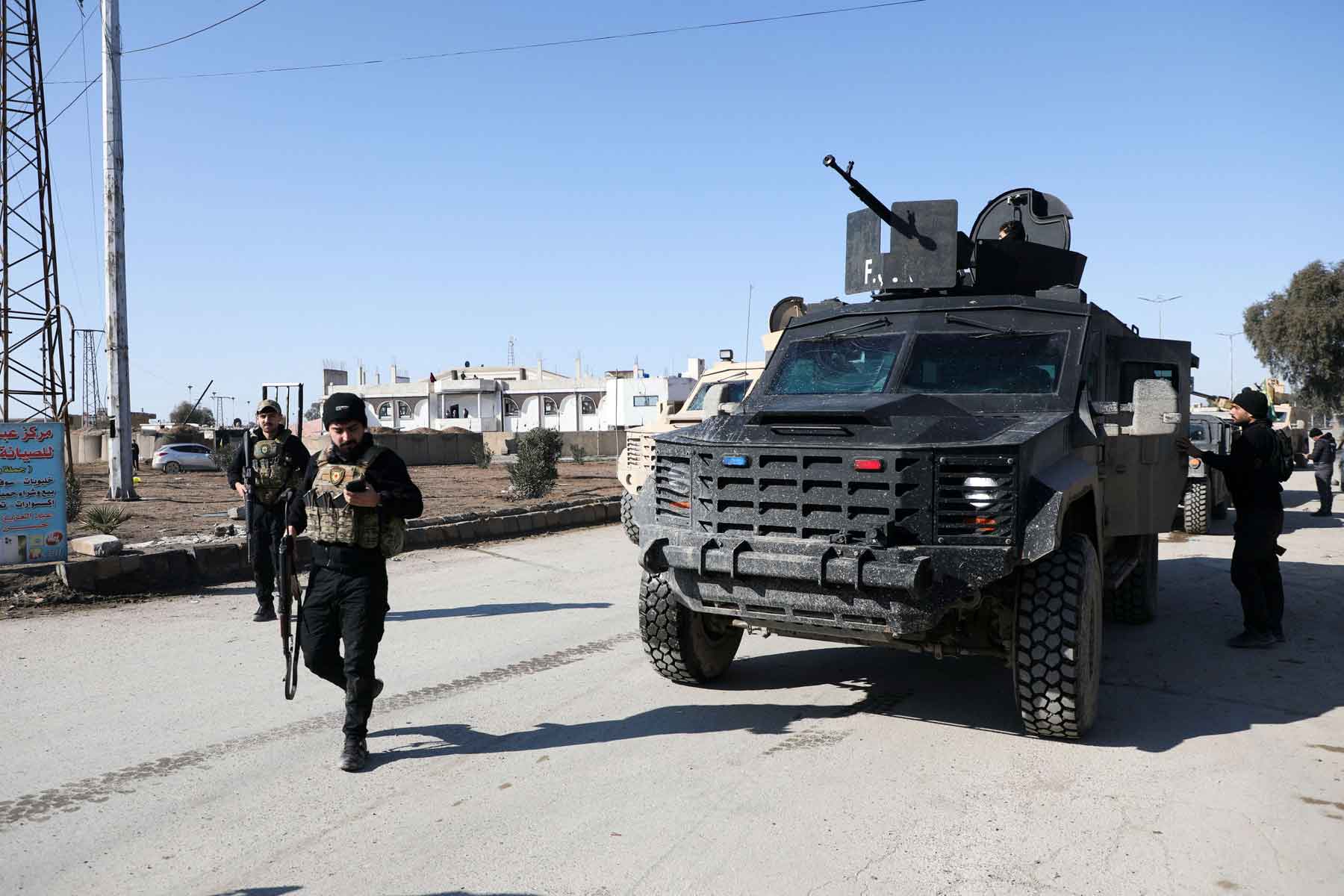
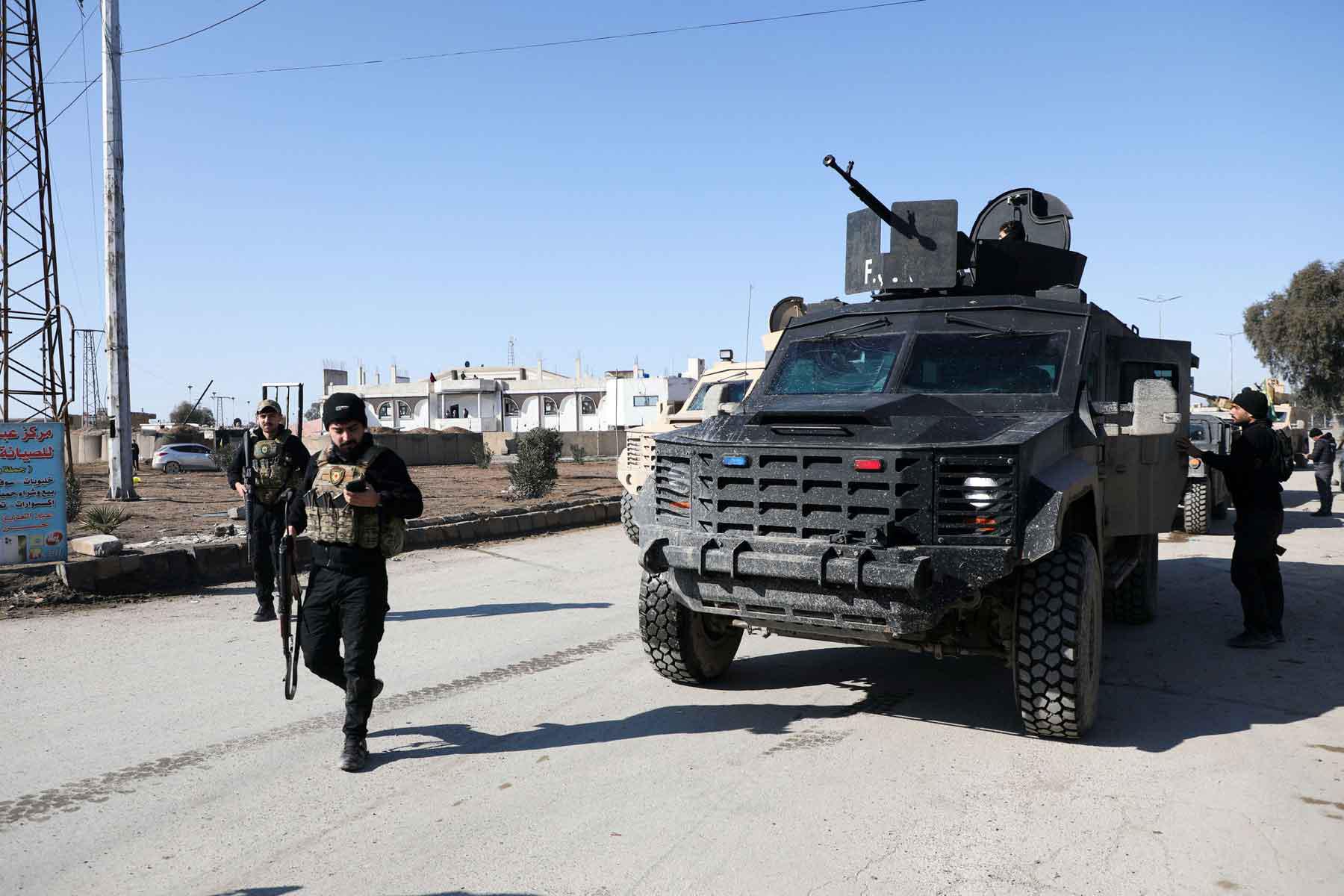
DAMASCUS / ANKARA – Syria announced on Tuesday a ceasefire with Kurdish forces in the northeast, offering them four days to agree on integration into the central state, in a move urged by the United States as the Kurds face mounting pressure from Damascus.
The rapid advances by government troops in recent days, coupled with the apparent withdrawal of US support for the Syrian Democratic Forces (SDF), mark the largest shift in territorial control since rebels ousted Bashar al-Assad 13 months ago. The SDF’s withdrawal from Arab-majority provinces such as Raqqa and Deir al-Zor and the handover of strategic positions in Hasakah province signal a decisive step in President Ahmed al-Sharaa’s campaign to reassert central authority over the country.
US envoy Tom Barrack described the offer of integration into the Syrian state, with citizenship rights, cultural protections and political participation, as the “greatest opportunity” the Kurds have. He added that the original purpose of the SDF, which Washington had supported as its main local ally against Islamic State, had largely expired, and the US had no long-term interest in retaining its presence in Syria.
Speaking in Washington, President Donald Trump appeared to back Syrian President Sharaa, noting he was “working very hard” on issues including the management of facilities holding detained Islamic State fighters in northeastern Syria.
“We are trying to protect the Kurds,” Trump added, while acknowledging that the US had provided the SDF with financial and material support in the past.
The ceasefire, effective Tuesday evening, requires the SDF to submit a plan for integration into the Syrian state, including naming a candidate for the role of assistant to the defence minister in Damascus. Syrian government forces pledged not to enter the cities of Hasakah or Qamishli during the four-day window, but indicated readiness to deploy elsewhere if the SDF fails to comply.
Northeast Syria, wedged between Turkey and Iraq, is home to both Kurds and Arabs and remains sensitive due to the presence of thousands of Islamic State detainees. About 200 low-level ISIS fighters escaped from Shaddadi prison on Monday during the SDF withdrawal, although Syrian forces recaptured many.
The Interior Ministry reported that 120 detainees had escaped, with 81 recaptured. The SDF has previously stated it was guarding some 10,000 ISIS prisoners, while also withdrawing from al-Hol camp, home to thousands of civilians linked to the jihadist group.
Syrian military sources said government troops had advanced in eastern Hasakah province and south of Kobani, on the Turkish border, but the SDF remains in control of Hasakah City and the Kurdish-majority Qamishli.
Tensions between Damascus and the SDF erupted into open conflict this month after months of deadlock over the fate of the Kurdish forces. SDF commander Mazloum Abdi and Sharaa reportedly held a rocky meeting on Monday following a 14-point agreement signed by Abdi, though Kurdish sources have disputed some claims of accord.
The United States, which has strengthened ties with Sharaa under Trump, has played a mediating role. A White House official urged all parties to exercise restraint, avoid escalation, and prioritise the protection of civilians across all minority groups.
In a parallel development, Turkish President Recep Tayyip Erdogan said on Wednesday that he hoped the full integration of Kurdish forces would herald a “new era” for Syria.
Speaking to lawmakers from his AK Party, Erdogan confirmed a “fruitful call” with President Trump discussing the situation in Syria, including the battle against Islamic State militants, signalling Ankara’s cautious optimism about a stabilising settlement.
Trump emphasised that while the US supported the Kurds, their alignment had often been in pursuit of their own interests, and he welcomed the ongoing negotiations with Damascus as part of a broader effort to maintain regional security.