


Ethiopia seeks to benefit from Morocco’s military expertise
Morocco deepens military ties with Ethiopia in strategic East Africa pivot
The growing defence partnership signals a significant shift in Moroccan diplomacy, as the kingdom moves beyond its traditional West and Central African focus.
Wednesday 21/01/2026
Ethiopia seeks to benefit from Morocco’s military expertise
RABAT/ADDIS ABABA – Relations between Morocco and Ethiopia entered a new strategic phase, marked by expanding military cooperation that reflects Rabat’s broader push to deepen engagement with African partners and strengthen regional integration across the continent.
The growing defence partnership signals a significant shift in Moroccan diplomacy, as the kingdom moves beyond its traditional West and Central African focus towards a more assertive geopolitical presence in East Africa and the Horn.
This momentum was underscored by the first meeting of the Moroccan-Ethiopian Joint Military Commission, held in Addis Ababa on January13 and 14. The meeting follows a bilateral military cooperation agreement signed in May 2025, which formally established the commission and laid the groundwork for collaboration in training, capacity-building and the exchange of expertise across a range of military and security fields.
For decades, Morocco concentrated much of its political and economic influence in francophone West Africa. However, policymakers in Rabat have increasingly recognised that aspiring to continental power status requires a tangible presence in East Africa, particularly in Ethiopia, a demographic heavyweight, a rising economic force and host country of the African Union.
The rapprochement with Addis Ababa represents a deliberate effort by Morocco to diversify its African alliances and demonstrate its ability to forge South-South partnerships that transcend regional, linguistic and historical divides. A foothold in Ethiopia also strengthens Rabat’s diplomatic leverage on key continental issues and helps neutralise opposition to its core national interests, notably the Western Sahara, in regions that have historically lain beyond its sphere of influence.
Morocco’s engagement with Ethiopia has evolved from major economic investments to strategic security cooperation. Among the most prominent projects is a $3.7 billion fertiliser plant developed by the OCP Group, Morocco’s state-owned phosphate giant. That economic foundation is now being complemented by closer military and security ties.
The kingdom brings to the partnership a well-established reputation in counterterrorism, border security and military training. By sharing this expertise, Rabat is positioning itself as a credible provider of security on the African continent, a role that aligns with its wider diplomatic ambitions.
In May, Morocco’s Minister Delegate to the Head of Government in charge of National Defence Administration Abdellatif Loudiyi received Ethiopian Defence Minister Aisha Mohammed Mussa during an official visit to Rabat.
According to a statement from Morocco’s National Defence Administration, the talks reviewed bilateral cooperation and explored ways to enhance it, while reaffirming both countries’ commitment to peace, stability and security in Africa. The visit culminated in the signing of a military cooperation agreement covering training, scientific research, military health services and the exchange of expertise.
The defence accord built on earlier high-level military contacts. In April, Morocco’s Inspector General of the Royal Armed Forces, General Mohammed Berrid, visited Addis Ababa, where he met Ethiopian Chief of General Staff Birhanu Jula. The two sides discussed a draft framework for broad-based military cooperation aimed at expanding and institutionalising the partnership.
During the visit, General Berrid toured several Ethiopian military facilities, including cyber security units, an artificial intelligence institute, Bishoftu Air Base in central Ethiopia and an ammunition factory, signalling the depth and technical scope of the emerging relationship.
Morocco and Ethiopia’s ties are rooted in a longer diplomatic history. During a visit by King Mohammed VI to Addis Ababa in November 2015, the two countries signed 12 agreements spanning air transport, mining, agriculture, tourism, water cooperation and diplomatic coordination, laying the foundations for today’s expanded engagement.
Military analyst Mohamed Chakir said the defence cooperation reflects Morocco’s broader African outreach strategy, noting Ethiopia’s pivotal role in the Horn of Africa and its status as host of the African Union. He described the Joint Military Commission as a key mechanism for advancing practical cooperation in security and defence.
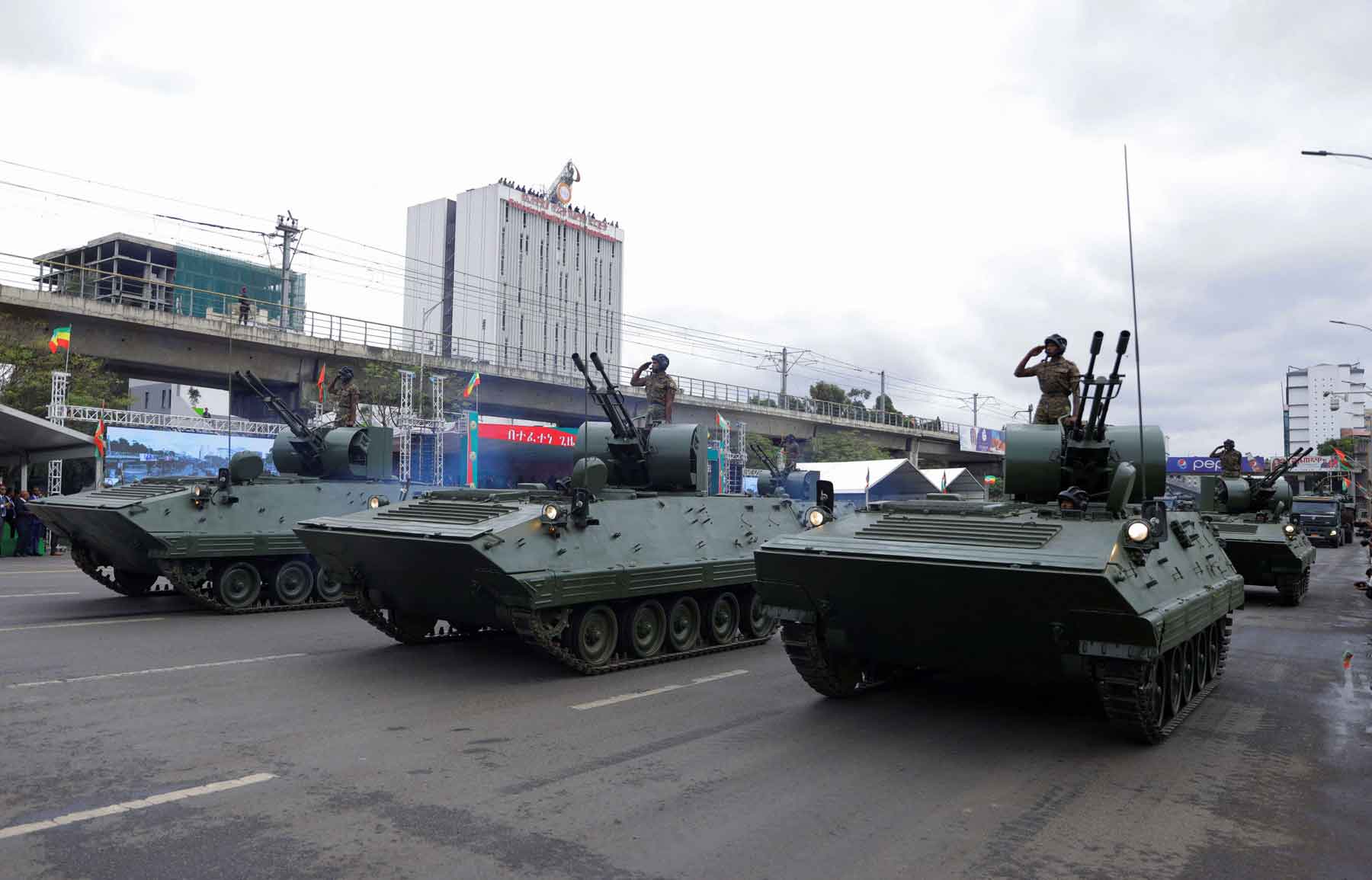
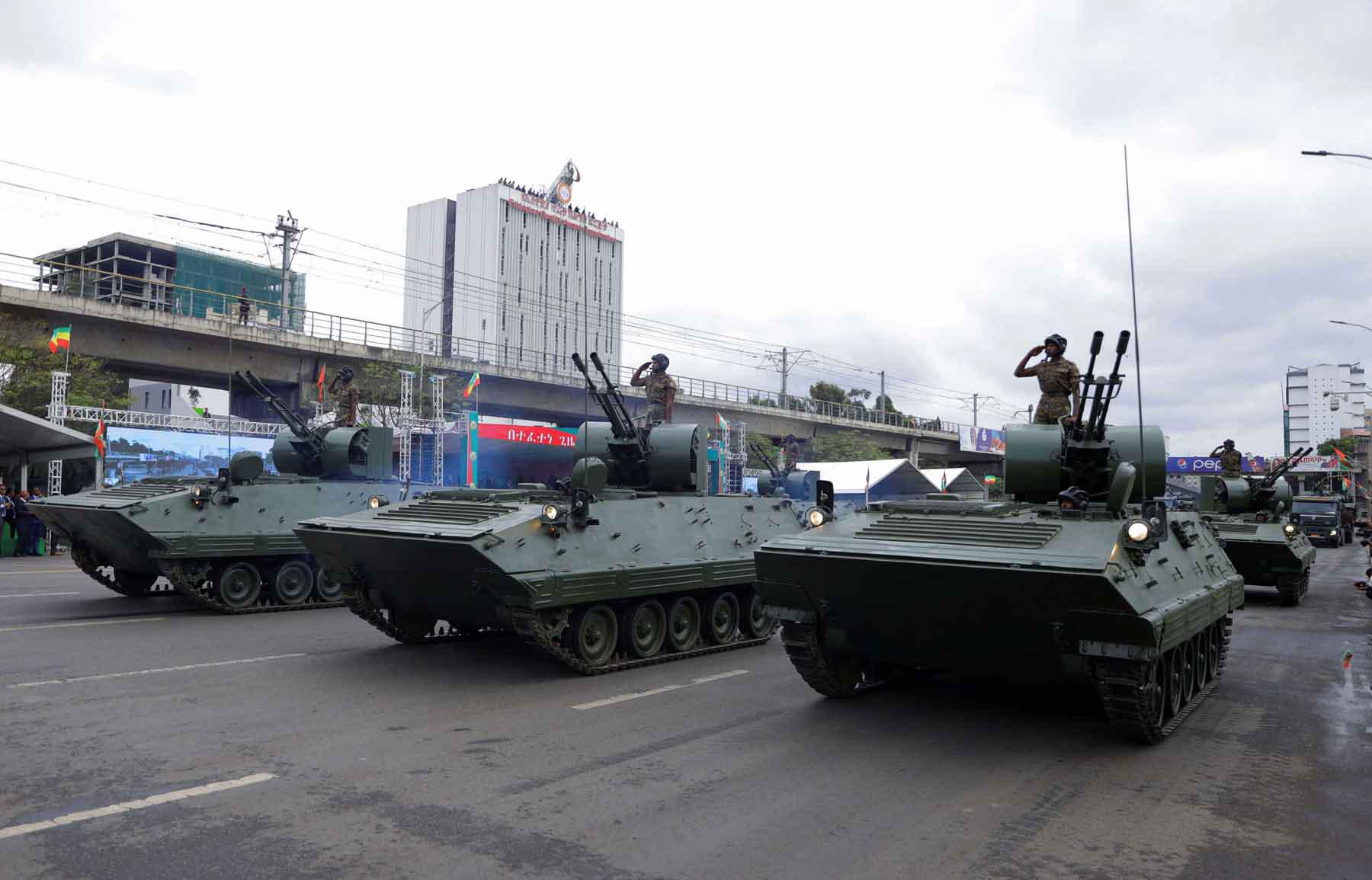
From Ethiopia’s perspective, Chakir added, Addis Ababa is keen to benefit from Morocco’s military expertise, particularly in advanced defence technologies. Morocco has been steadily upgrading its military capabilities through partnerships with the United States, under a 10-year defence cooperation agreement signed in October 2020 and running until 2030.
Chqir noted that Morocco has invested heavily in military training and education infrastructure, and that the new commission provides an institutional framework to sustain long-term cooperation. He also pointed to Rabat’s parallel efforts to develop a domestic defence industry, including the launch of a combat vehicle manufacturing plant in partnership with India last October, aimed at supplying both the Moroccan armed forces and international markets.
For Ethiopian officials, the Joint Military Commission marks a turning point. The Ethiopian National Defence Force said the initiative aims to expand cooperation across military education, training, defence industries and technology transfer.
Speaking after the meeting, Director-General of Foreign Relations and Military Cooperation at the Ethiopian National Defence Force Teshome Gemechu described the first session of the commission as a historic milestone that opens a new phase of practical implementation across agreed areas of cooperation.
On the Moroccan side, Abdel Kahar Othman, head of Logistics at the Royal Armed Forces, called the meeting an important development in bilateral military relations, stressing Rabat’s determination to further elevate defence cooperation with Ethiopia and describing progress to date as encouraging.
Together, the developments point to a recalibration of Morocco’s African strategy, one that blends economic investment, security diplomacy and institutional partnerships, and signals Rabat’s ambition to play a more influential role across the full breadth of the continent.