

Readiness to advance towards full integration
SDF commits to truce, signals willingness to join Syria’s state institutions
Abdi said that efforts led by US envoy Tom Barrack to reopen communication channels between the SDF and Damascus, “represent a positive development worthy of welcoming.”
Friday 23/01/2026
Readiness to advance towards full integration
DAMASCUS – Attention in Syria is increasingly focused on consolidating a ceasefire and reshaping the security and political landscape in the country’s north and east, as the Syrian Democratic Forces (SDF) reaffirm their commitment to the truce while the Syrian government undertakes field operations to strengthen security in areas formerly under SDF control.
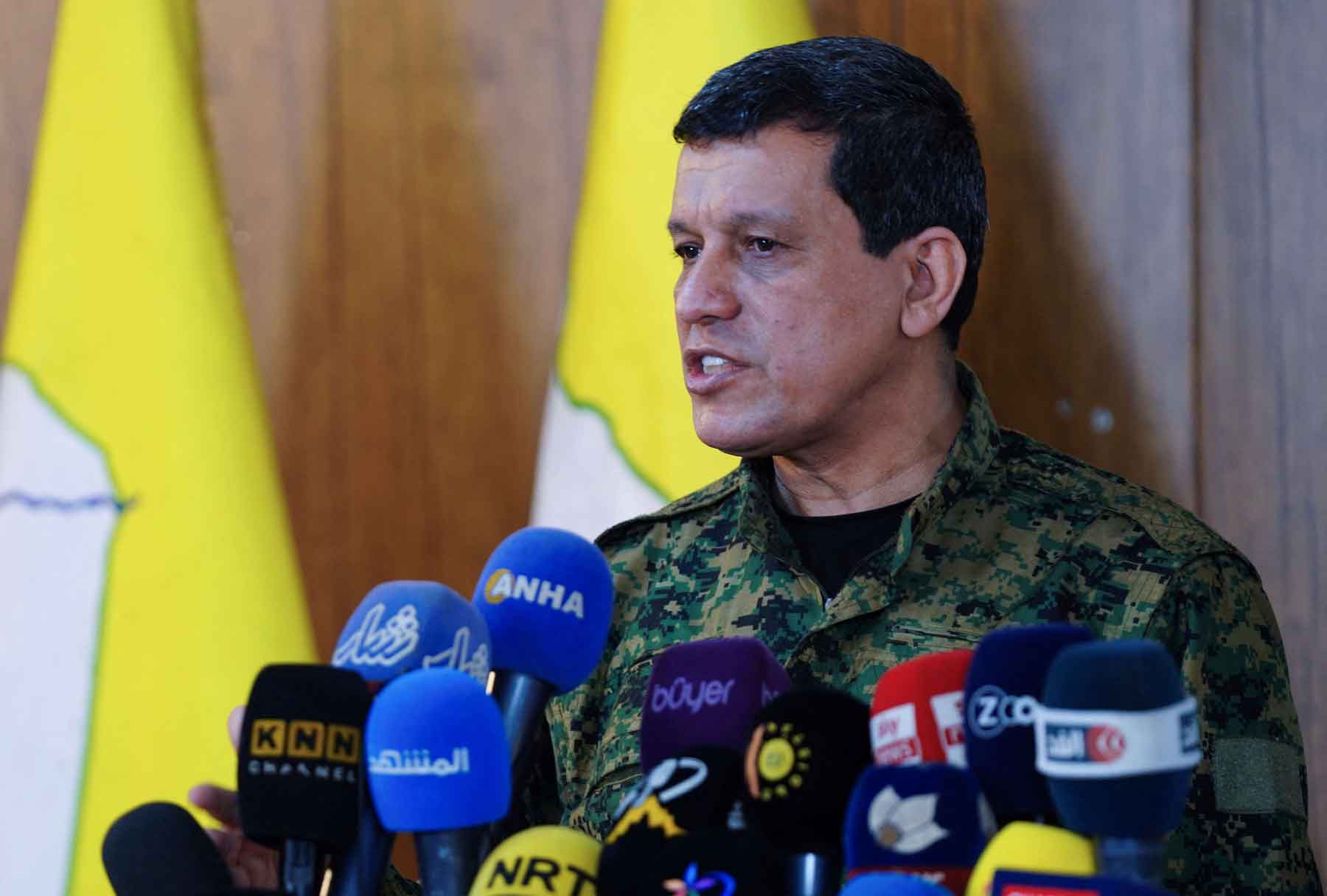
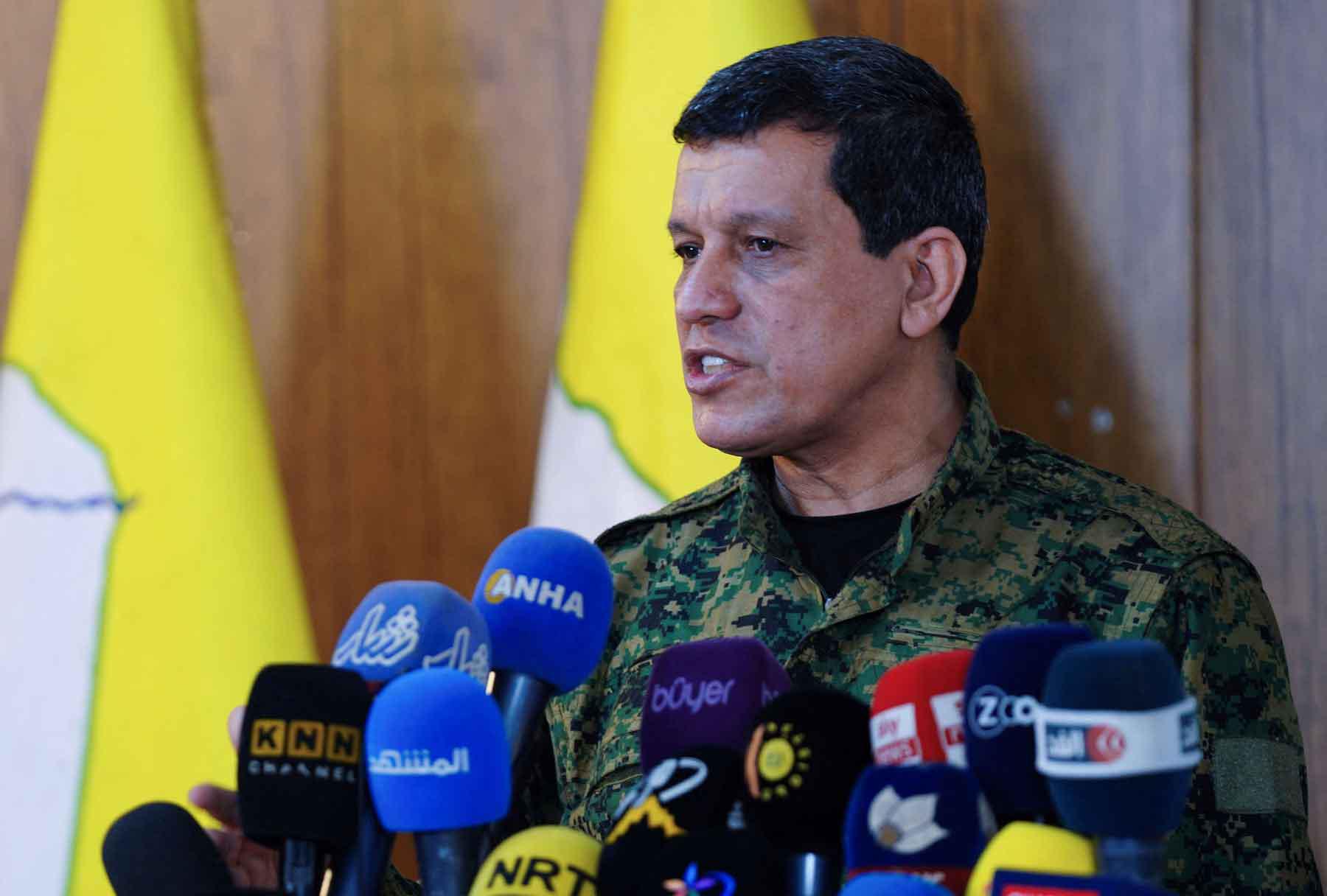
SDF commander Mazloum Abdi stressed the group’s adherence to the ceasefire agreement and expressed readiness to advance towards full integration within the Syrian state. In a post on the social media platform X, Abdi described a meeting in the Kurdistan Region of Iraq with US envoy Tom Barrack and Admiral Brad Cooper, commander of US Central Command, as “constructive and productive.”
Abdi highlighted that US support for stabilising the ceasefire, along with President Donald Trump’s policies on halting hostilities, and efforts led by Barrack to reopen communication channels between the SDF and Damascus, “represent a positive development worthy of welcoming.”
He added, “We will work with all our capabilities and in a serious manner to achieve true integration and maintain the current ceasefire.”
On the international front, Abdi said he had received a phone call from French President Emmanuel Macron, who expressed Paris’ support for efforts to maintain the ceasefire and create a conducive environment for resuming political negotiations aimed at a lasting settlement ensuring stability in Syria and the region.
Abdi noted that the call also addressed “implementing previous agreements between us and the Syrian government, and the need to protect the rights of all components in the country.”
Regionally, Abdi met Kurdistan Region President Nechirvan Barzani to discuss the latest developments in Syria.
A statement from the Kurdistan regional presidency confirmed that both sides emphasised the importance of maintaining the ceasefire and promoting dialogue between the SDF and Damascus, while safeguarding the rights of Kurds and other communities within a united Syrian state.
Abdi also praised Barzani’s role in supporting stability and encouraging peaceful solutions, reaffirming the SDF’s commitment to a comprehensive political settlement.
These moves come amid controversy sparked by a recent statement from Barrack, who said last Tuesday that the need for the SDF as an independent entity had ended, the strongest statement of its kind since Washington partnered with Kurdish forces against ISIS.
Barrack added that the new Syrian government was ready to assume security responsibilities, raising concerns among Kurdish communities in Syria and the wider region.
Diplomatically, Syria’s UN mission reported a “constructive and productive” meeting between Syria’s permanent representative Ibrahim Olabi and his US counterpart Mike Waltz, focusing on current developments, UN operations, and prospects for joint cooperation.
On the ground, the Syrian Interior Ministry announced that it had taken control of Al-Aqtan Prison in Raqqa province, previously under SDF management. The state-run Syrian Arab News Agency (SANA) reported that the ministry had assumed administration of the facility and formed specialised teams to secure it, particularly as it houses detainees linked to ISIS and had been the site of previous clashes.
The handover follows the agreement signed on January 18 between the Syrian government and the SDF, which provides for a ceasefire and integration of SDF elements and institutions into state structures, after a military operation by the Syrian army recaptured large areas of the north and northeast in response to repeated violations of previous agreements.