

Turkey appears determined to cement its position as a leading player
Turkey leverages energy sector to boost political clout in Libya
Turkey’s economic engagement is closely intertwined with its political and military footprint.
Monday 26/01/2026
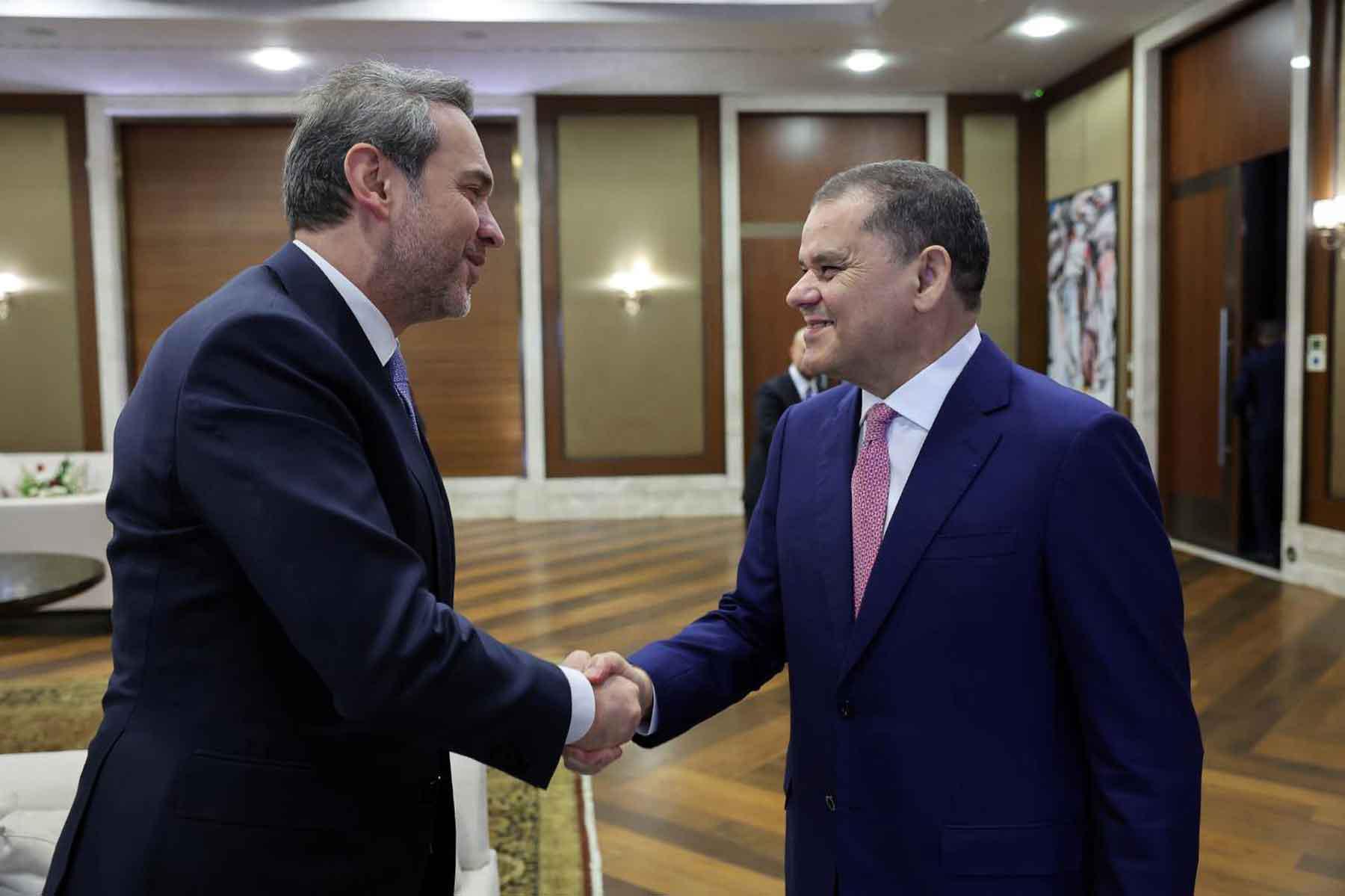
Turkey appears determined to cement its position as a leading player
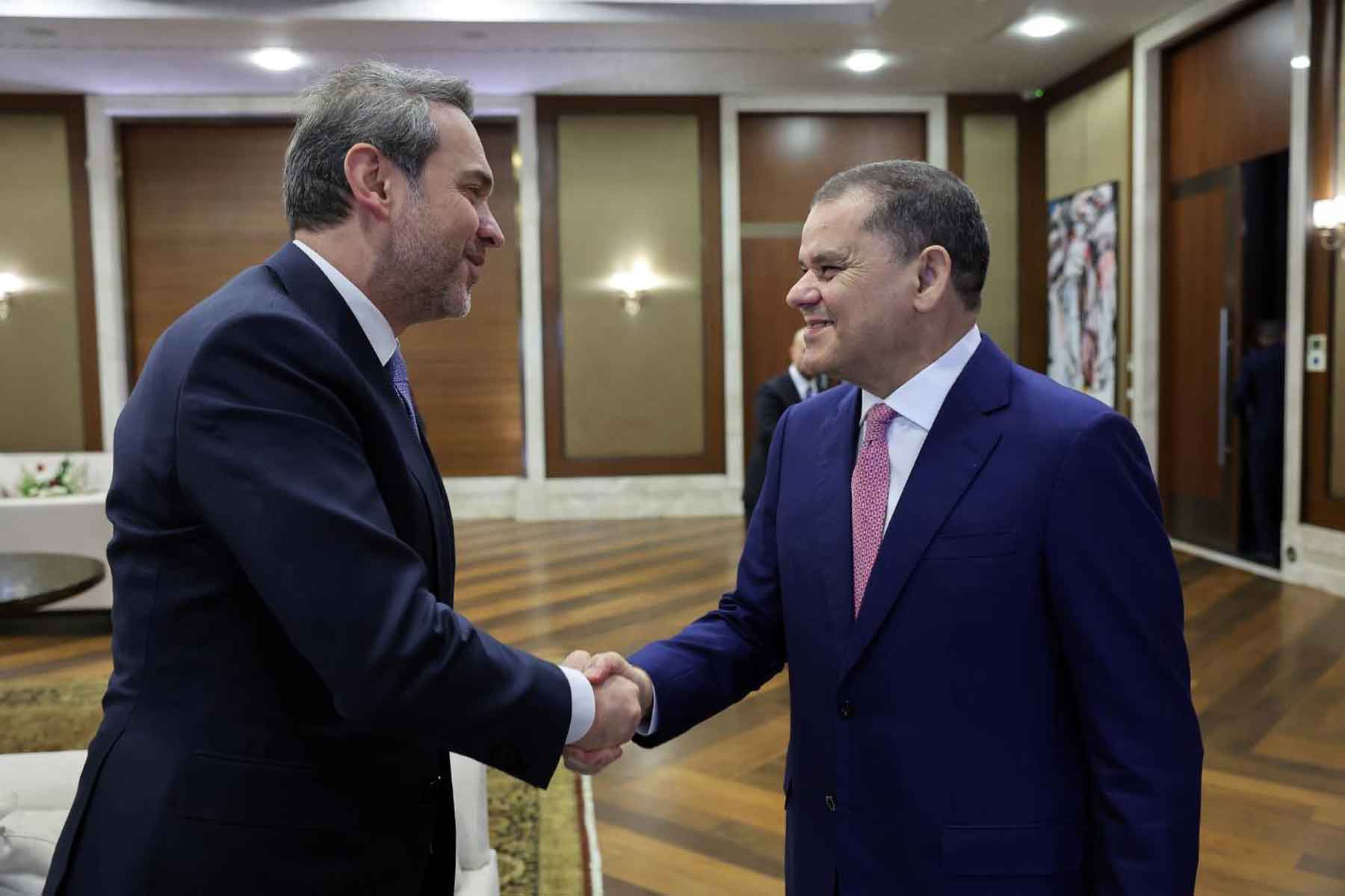
TRIPOLI – Turkish-Libyan relations are entering a new phase, with energy emerging as the central focus, following the announcement by Turkish Minister of Energy and Natural Resources, Alparslan Bayraktar, that 2026 will be designated “the year of energy” in Ankara’s cooperation with Tripoli. The declaration signals Turkey’s determination to consolidate its economic and strategic presence in Libya, building on the political and military support it previously provided to the authorities controlling western Libya.
The announcement came during the 22nd session of the Turkish-Libyan Joint Economic Committee, coinciding with the Libya Energy & Economic Summit, an event carrying significant political and economic symbolism. Notably, the meeting marked the resumption of the committee’s work after a 17-year hiatus, signalling a structured and renewed phase of coordination between the two countries.
Bayraktar described the reactivation of the joint economic committee as a historic moment. While he stressed that cooperation extends beyond energy to sectors such as transport, healthcare, education and trade, he emphasised that energy remains, from Turkey’s perspective, the primary gateway for consolidating economic influence and establishing long-term partnerships in a country holding one of Africa’s largest oil and gas reserves.
The minister highlighted that bilateral trade reached approximately $4.4 billion in 2025, with ambitions to surpass $5 billion in 2026. Achieving this target, he noted, depends directly on expanded collaboration in oil and gas, reflecting Turkey’s strategic approach to transform the energy sector into both an economic and political lever.
Official statements indicate that Turkey is pursuing multiple pathways to strengthen this cooperation, including revisiting oil fields previously operated by the Turkish Petroleum Corporation and negotiating new agreements for exploration and development of additional fields. Ankara is also seeking partnerships with international oil and gas companies active in Libya, positioning itself at the heart of the country’s energy network and bolstering its influence in the wider Eastern Mediterranean and North African energy markets.
Observers note that Turkey’s economic engagement is closely intertwined with its political and military footprint. Ankara’s expansion in Libya is widely seen as an extension of its decisive support for the Tripoli government over recent years, a strategy that has allowed it to convert political leverage into strategic economic gains, particularly in the energy sector.
On a practical level, Bayraktar chaired the 22nd session of the joint economic committee, which concluded with the signing of a memorandum of understanding with Libyan Minister of Transport Mohamed al-Shahoubi, setting the framework for future cooperation and implementation.
The Libya Energy & Economic Summit also commenced alongside the committee meeting, drawing broad ministerial and international participation. The high-profile engagement reflects the growing regional and international attention on Libya as a potential energy hub. In this landscape, Turkey appears determined to cement its position as a leading player, placing the energy sector at the forefront of its strategy to deepen ties with Tripoli and extend its influence in Libya over the coming years.