


A global icon, outperforming peers across Europe, the Middle East and Africa
Zayed International Airport leads UAE push for global connectivity
The airport has evolved into a smart city, designed to accommodate sudden surges in demand, maintaining quarterly growth of 13.8 percent without compromising quality.
Friday 30/01/2026
A global icon, outperforming peers across Europe, the Middle East and Africa
ABU DHABI – The United Arab Emirates is witnessing a transformative leap in aviation, with its airports emerging as major drivers of the national economy and a showcase of the UAE’s ambition to connect East and West. The record-breaking performance of 2025 underscores that this growth is not incidental but the result of a carefully-executed expansion strategy.
Last year, Abu Dhabi’s five airports handled over 33 million passengers, marking the highest annual throughput in their history. Air traffic volumes have more than doubled over the past three years, reflecting remarkable resilience and the capacity to attract both tourism and business traffic.
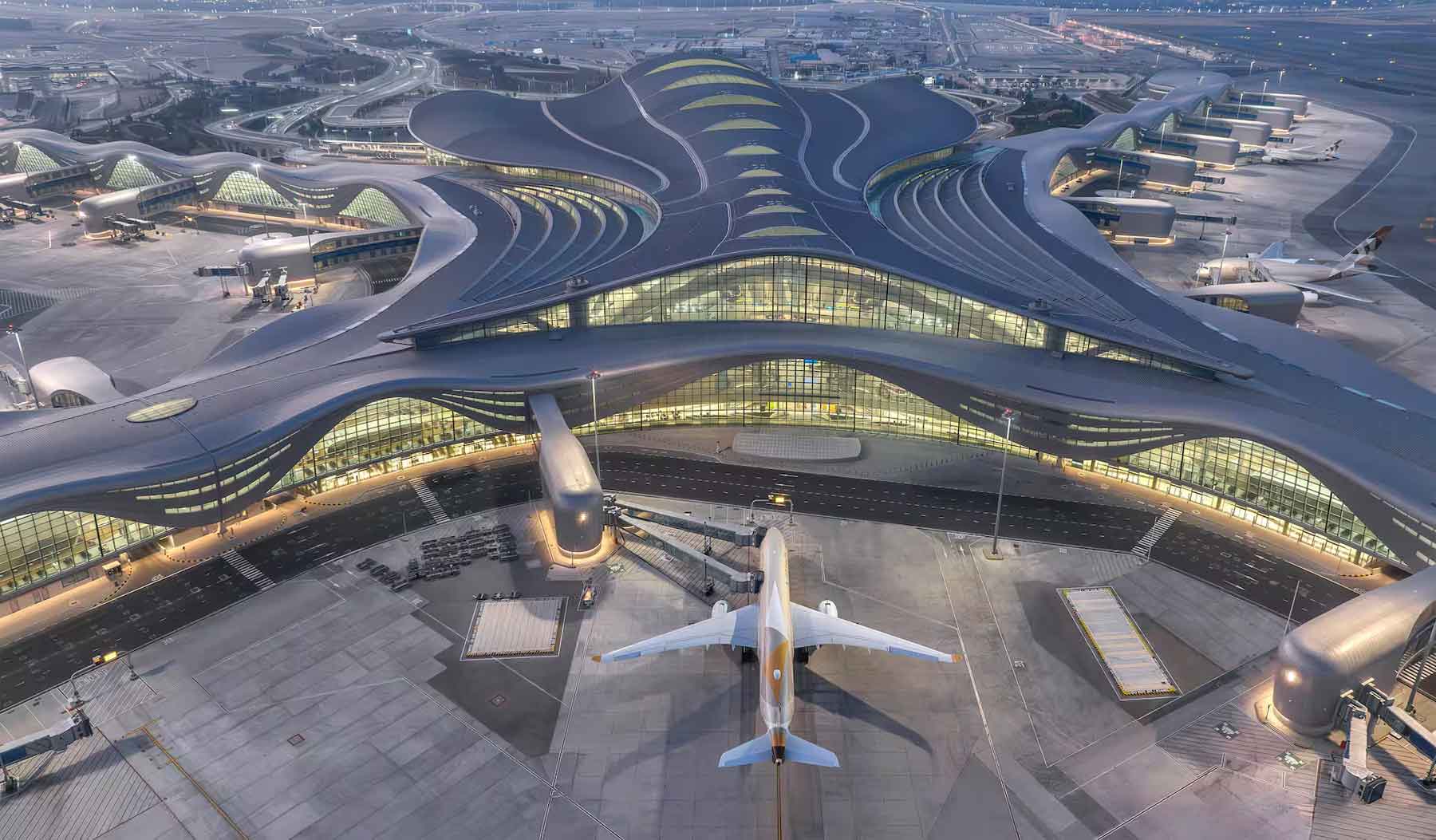
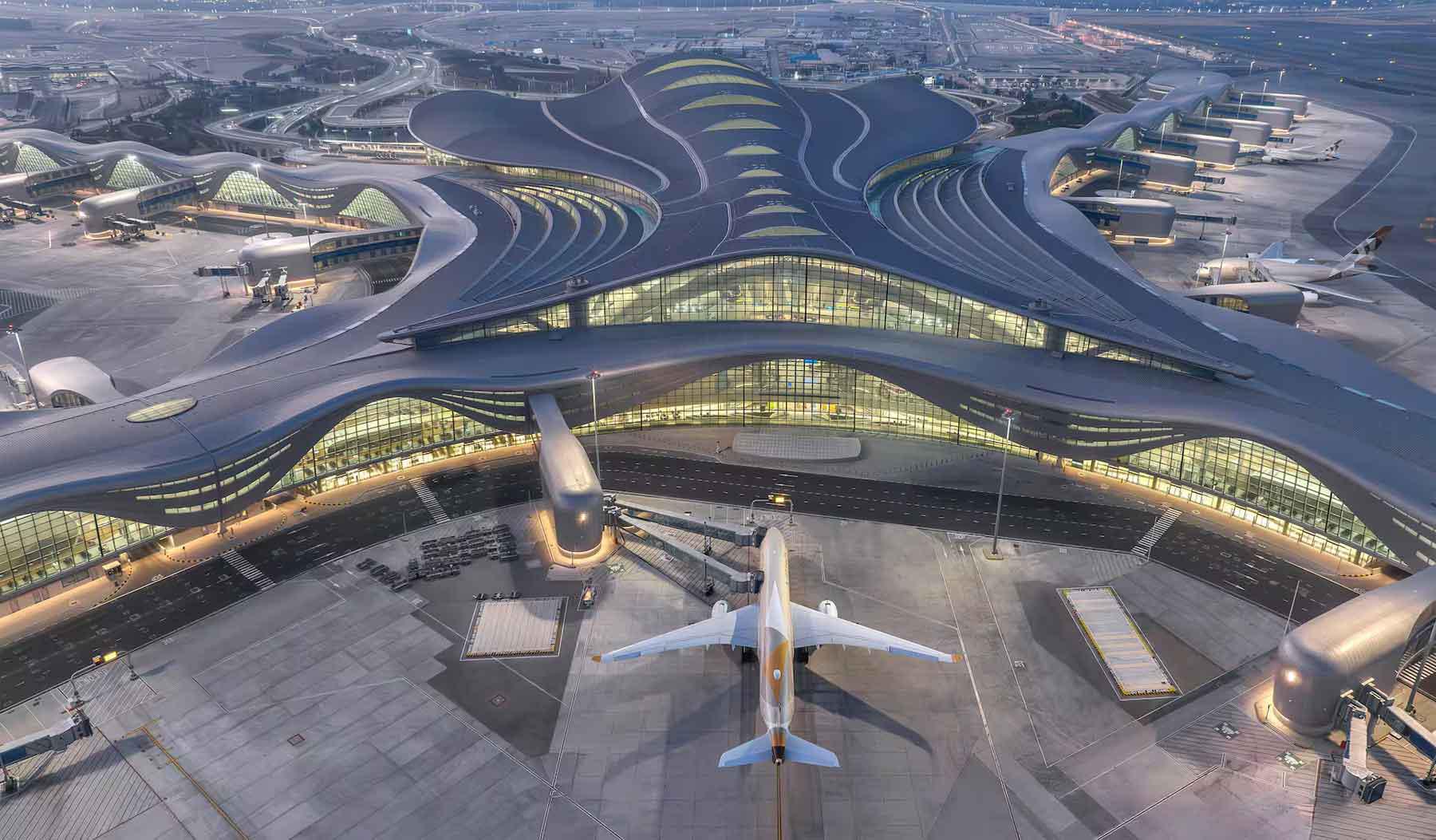
Zayed International Airport has emerged as a global icon, outperforming peers across Europe, the Middle East and Africa, and ranking among the fastest-growing major airports worldwide. In just its second full operational year, the airport accounted for 98 percent of passenger traffic in Abu Dhabi and 73 percent of aircraft movements. The fourth quarter alone saw 8.59 million passengers, a 13.8 percent annual increase.
These record figures are underpinned by a strategic approach that strengthened the emirate’s competitiveness. In 2025, Abu Dhabi launched 39 new air routes, opening direct connections previously unavailable, while attracting seven new international airlines to operate through its airports, a clear vote of confidence in UAE infrastructure and logistics capabilities.
Flight frequencies were increased on high-demand routes across Asia, Europe and Africa, cementing Abu Dhabi’s role as an indispensable global hub.
The growth reflects the UAE Vision 2031, where aviation is not merely a passenger transport sector but a pillar for enhancing global connectivity and supporting economic diversification. Open skies policies remain a cornerstone, allowing airlines unrestricted access and operations, which contributed to the addition of seven new carriers in just one year.
Abu Dhabi’s strategy prioritises not only the number of flights but also quality of connections, optimising schedules to reduce layover times for transit passengers. This approach explains Zayed International Airport’s dominant share of the emirate’s air traffic.
The airport itself has evolved into a smart city, designed to accommodate sudden surges in demand, maintaining quarterly growth of 13.8 percent without compromising service quality.
Cutting-edge technologies, including facial recognition and touchless processing, have streamlined passenger experiences, enhancing the airport’s appeal to travellers seeking speed and comfort.
Strategic synergy between airports and national carriers, notably Etihad Airways, has enabled coordinated launch of the 39 new routes, expanding the network to emerging markets in Africa and Central Asia.
Abu Dhabi is also promoting stopover tourism, encouraging transit passengers to explore the UAE through integrated tourism programmes, turning fleeting layovers into opportunities to boost the local economy.
With these advances, Abu Dhabi’s airports, led by Zayed International, have become more than transit points; they are vital engines of growth, innovation and global connectivity, solidifying the UAE’s position on the world aviation map.