




A forceful call to Egyptian families
Al-Azhar advocates social change on costly marriage customs
Sheikh Ahmed el-Tayeb criticised the widespread practice of inflating dowries, noting that it has become a major obstacle to marriage in the current economic climate.
Monday 02/02/2026
A forceful call to Egyptian families
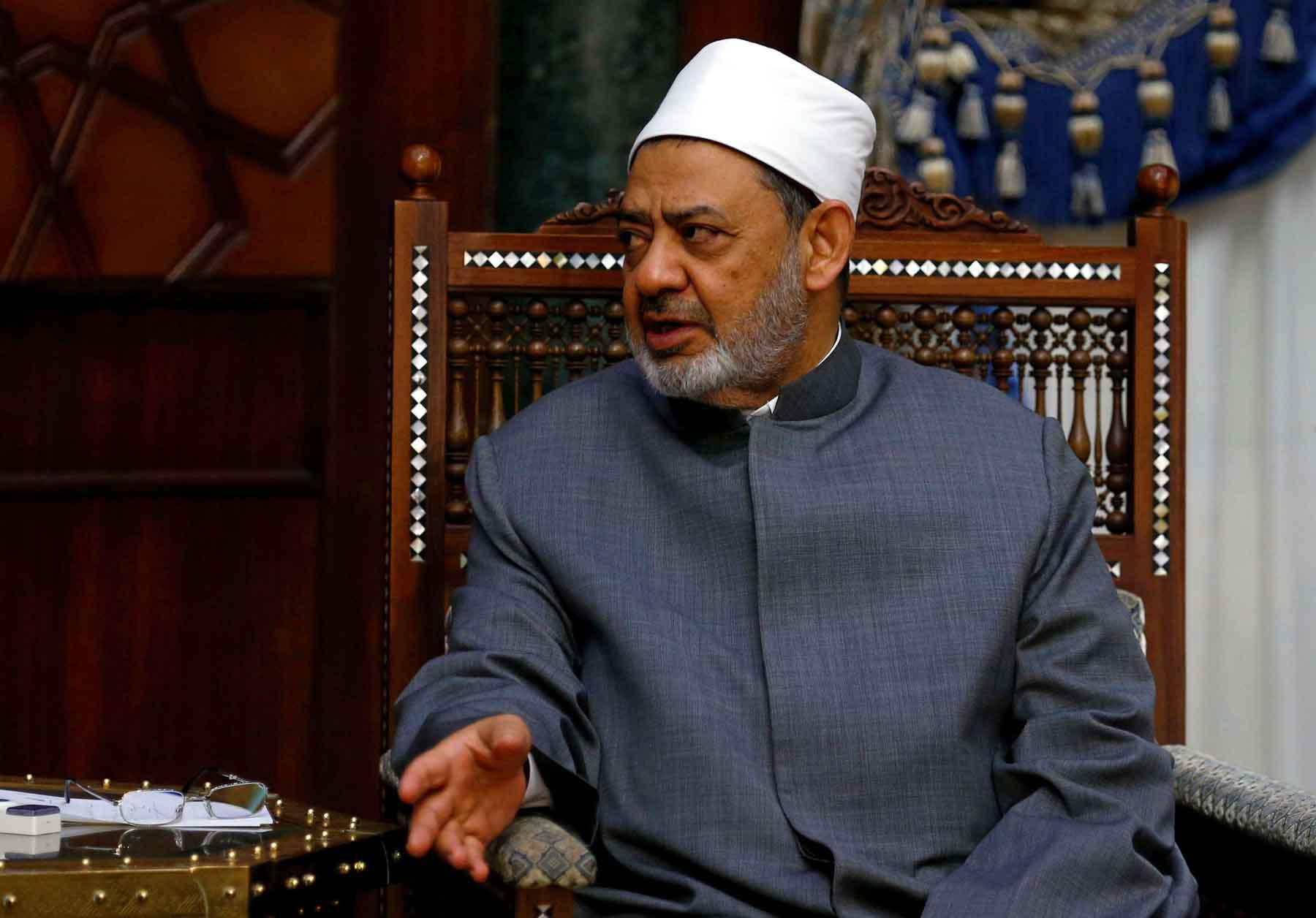
CAIRO – Grand Imam of Al-Azhar Sheikh Ahmed el-Tayeb issued a forceful call to Egyptian families to confront the escalating costs of marriage, highlighting the growing burden of extravagant dowries and wedding expenses on young couples.
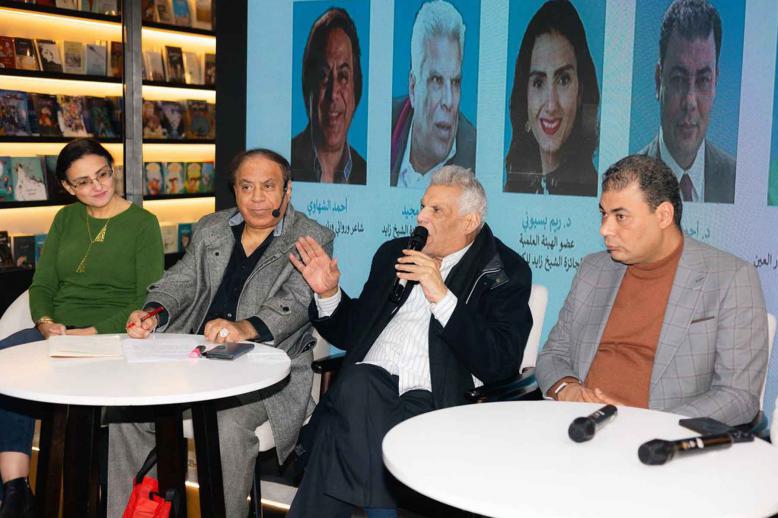
Speaking at a conference on the role of religious discourse in protecting women’s rights, Tayeb criticised the widespread practice of inflating dowries, noting that it has become a major obstacle to marriage in the current economic climate, particularly given the sharp rise in gold prices.
The Grand Imam described the trend as both unreasonable and unsustainable, urging religious scholars and preachers to take an active stance against it. He stressed that Islam views the dowry as a symbolic gesture of love and respect, rather than an opportunity for ostentation or social competition. Excessive financial demands, he argued, force ordinary families into debt and anxiety, undermining the stability of young couples and their ability to establish households.
Tayeb highlighted that the Prophet himself accepted modest dowries, including symbolic gifts such as a simple iron ring or the memorisation of a Quranic chapter, emphasising that the measure of marital devotion lies in sincerity, not material wealth. He warned that continuing this trend contributes to growing social phenomena such as delayed marriages and prolonged bachelorhood, placing immense psychological pressures on young people.
The Grand Imam also addressed wider concerns regarding women’s rights, including the misuse of divorce and polygamy, noting that deviations from Islamic principles in these areas undermine women’s dignity and security. He emphasised that safeguarding women’s rights is integral to the Islamic message and that proper religious awareness ensures a fair balance between rights and responsibilities within the family and society.
In light of rising gold prices, which have recently doubled amid global economic volatility, the cost of gifts such as the bridal set has become prohibitively high for many families. In response, grassroots initiatives have emerged in several Egyptian cities promoting “simplified dowries” or the outright elimination of extravagant gold gifts, directing resources instead toward practical household preparations. These campaigns, however, face resistance from traditionalist segments of society that view lavish spending as essential to preserving a bride’s social standing.
By combining economic pragmatism with religious guidance, Tayeb’s intervention aims to alleviate financial pressures on families, reduce social barriers to marriage and ensure that women’s rights are respected and protected within Islamic principles.