

A hub for trade, finance and services
UAE leads regional growth in year of strategic economic transformation
The UAE is forecast to lead the region, with real GDP growth projected at about 5.6 percent. This robust performance reflects the country’s successful economic diversification efforts.
Wednesday 04/02/2026
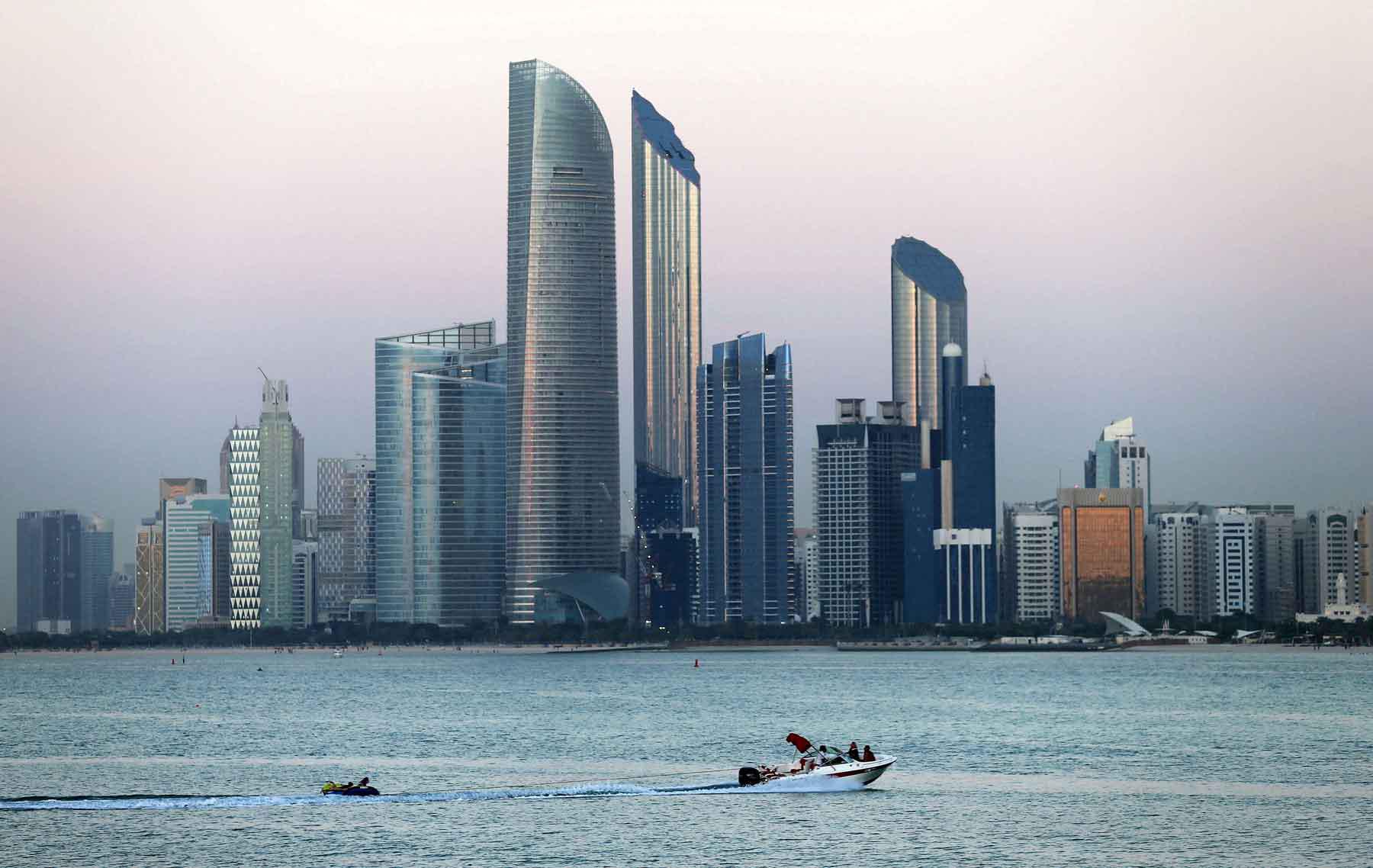
A hub for trade, finance and services
ABU DHABI – As the global economy undergoes profound transformations and growth trajectories diverge sharply, the United Arab Emirates has emerged as a leading example of strategic economic foresight and investment resilience. Driven by a long-term vision, ongoing structural reforms, and a rising tide of investment activity, the UAE is set to play a central role in shaping regional and global economic trends in 2026.
The latest report from First Abu Dhabi Bank (FAB), Global Investment Outlook 2026, titled “Shifting Currents: Recalibrating Capital Amid a Changing Global Economic Order,” positions the coming year as a decisive juncture for capital allocation worldwide. The report outlines a global economy characterised by modest and uneven growth, with advanced economies expected to expand by only around 1.5 percent, while emerging markets, particularly in the Middle East and North Africa, are anticipated to outperform significantly.
Within this context, the UAE is forecast to lead the region, with real GDP growth projected at approximately 5.6 percent. This robust performance reflects the country’s successful economic diversification efforts, the expansion of non-oil sectors, and the continuity of regulatory and legislative reforms that have strengthened the business environment. The nation’s strategic position as a hub for trade, finance and services further consolidates its appeal as a stable and secure destination for long-term investment, even amid global monetary volatility and shifting capital flows.
The FAB report highlights the broader challenges facing the global economy, including heightened geopolitical tensions, technological disruptions, and structural transformations in markets. While inflationary pressures have eased from previous peaks, they remain a key macroeconomic risk, particularly given ongoing supply-side constraints and geopolitical uncertainties. Monetary policy in advanced economies is expected to remain cautious in 2026, with slower reductions in interest rates in the United States compared to 2025.
Technological innovation is identified as a core driver of structural change, with advances in artificial intelligence, automation and digital platforms reshaping asset and wealth management practices. The UAE, with its substantial investments in smart infrastructure and digital economies, alongside flexible regulatory frameworks, is well positioned to harness these trends and cement its role as a regional and global investment hub.
The report underscores the importance of portfolio diversification in managing risk amid market volatility and structural changes. In this context, GCC economies, particularly the UAE, are highlighted as anchors of stability and growth. Institutional strengthening, regulatory evolution and an expanding role in global capital allocation are transforming the region into a centre for professionally managed investment solutions.
Looking ahead, FAB projects global GDP growth of 3.1 percent in 2026, slightly below 2025 levels, while regional economies, led by the UAE, are expected to maintain stronger momentum, underpinned by non-oil sector expansion and ongoing economic and political reforms. The report suggests that the Middle East and North Africa are poised to play an increasingly influential role in global investment portfolios, offering a combination of growth potential, relative stability, and attractive returns.
In conclusion, the Global Investment Outlook 2026 portrays the UAE as entering a new phase of economic transformation with confidence, guided by a diversified economy, forward-looking policies, and a clear strategic vision. The report positions 2026 not merely as a calendar year but as a pivotal moment that reinforces the UAE’s status on the global investment and economic map.