

Heightened pressures
Iraq’s Shia alliance frees MPs to choose president amid Kurdish impasse
With the presidency still vacant, Iraq’s political transition remains in limbo, raising concerns that prolonged institutional paralysis could deepen uncertainty and undermine governance.
Thursday 05/02/2026
Heightened pressures
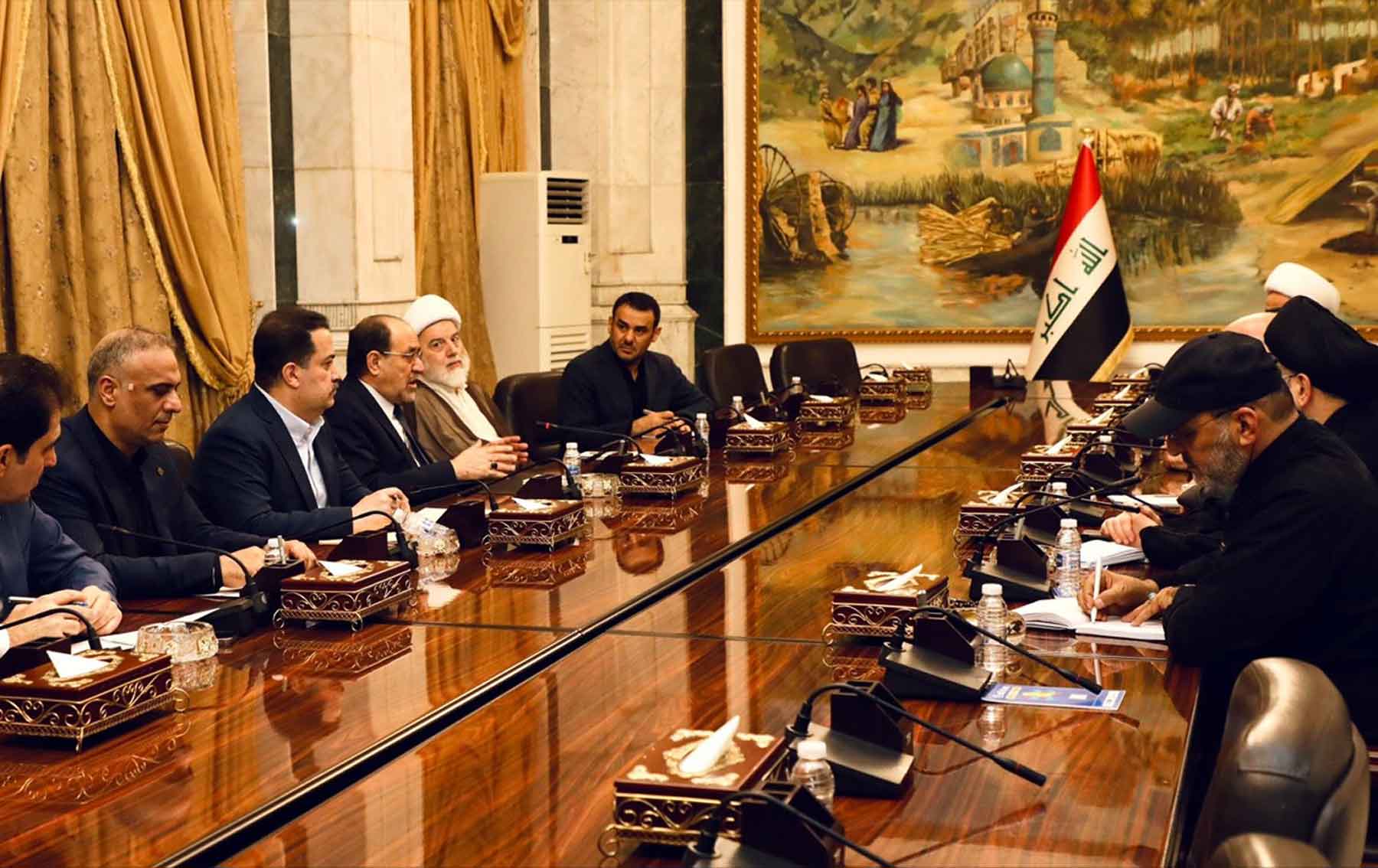
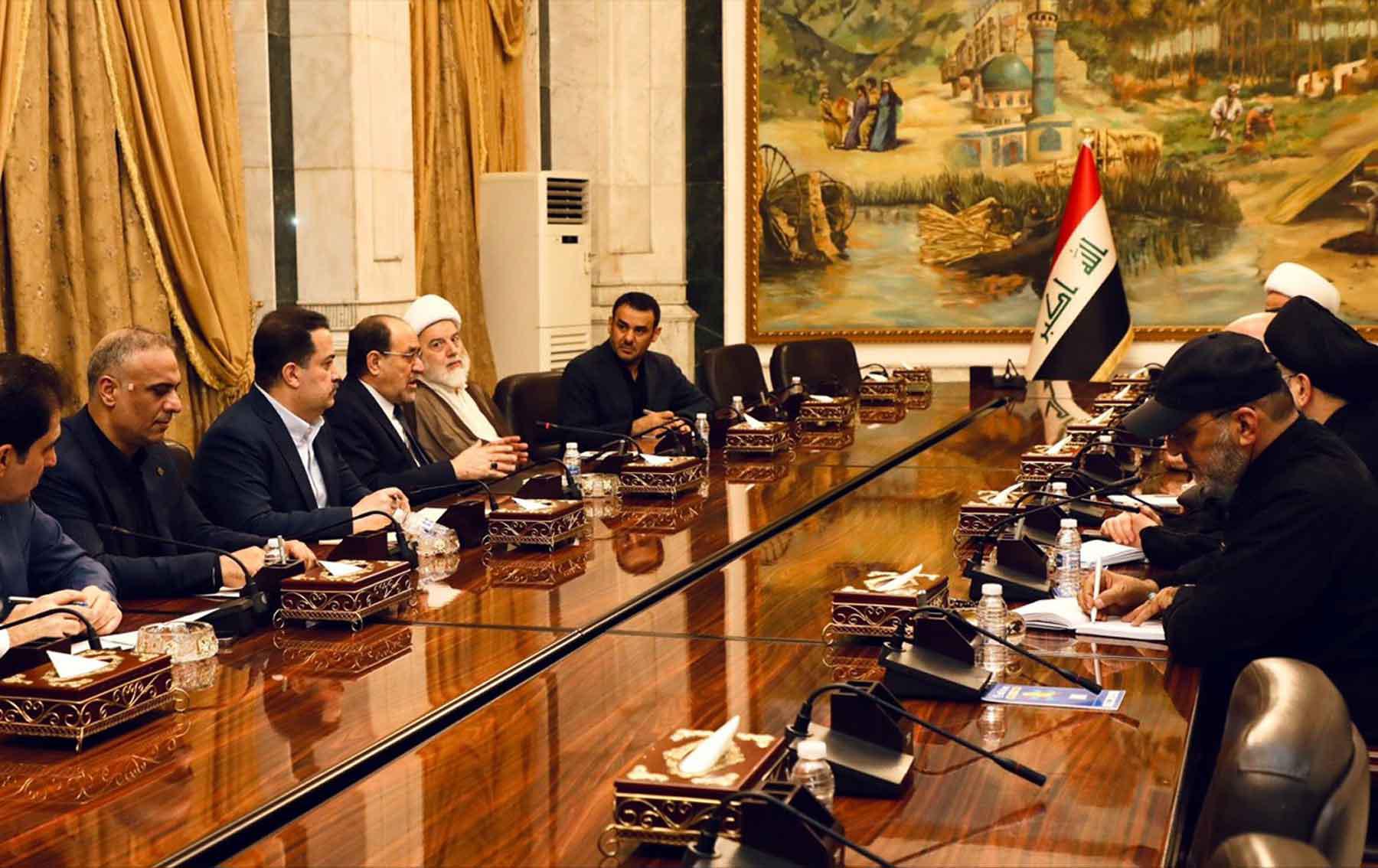
BAGHDAD – Iraq’s influential Coordination Framework alliance instructed its MPs on Wednesday to be “free in their choices” when voting for the country’s next president if political forces fail to agree on a single candidate, in a clear sign of mounting frustration over a prolonged deadlock and its inability to bridge divisions between rival Kurdish parties.
The move reflects growing urgency among Iraq’s dominant Shia bloc to break the political impasse and restore momentum to the stalled government formation process, amid concerns that continued paralysis could further weaken state institutions at a time of heightened political, economic and security pressures.
In a statement issued after its regular meeting on Wednesday evening, the Coordination Framework said it had reviewed the latest national and regional developments and stressed “the importance of respecting constitutional timelines and adhering to the deadlines stipulated in the Iraqi constitution.” It also called for resolving the presidency issue “within a short period”, underscoring the need to end months of institutional uncertainty.
The alliance urged officials in the Kurdistan Region to give serious consideration to proposals presented by a Coordination Framework delegation during a recent visit, saying this could help accelerate consensus and bring an end to the political stalemate.
Most notably, the Framework called on its MPs to “be free in their choices in the event that a single candidate for the presidency cannot be agreed upon,” a shift that appears to acknowledge its limited leverage in persuading the Kurdistan Democratic Party (KDP) and the Patriotic Union of Kurdistan (PUK) to unite behind a single nominee. The rivalry between the two dominant Kurdish factions has long been a central obstacle to resolving the presidency question.
Under Iraq’s sectarian and ethnic power-sharing system, the presidency is reserved for a Kurdish figure, while the premiership is allocated to a Shiite politician and the parliamentary speakership to a Sunni Arab, making Kurdish consensus essential to completing the constitutional process.
The political manoeuvring comes at a particularly sensitive moment, as Iraq navigates complex negotiations following the Coordination Framework’s nomination in January of former prime minister Nouri al-Maliki, head of the State of Law coalition, for the premiership. Iraqi political forces are seeking to manage this delicate phase amid reported US pressure on Baghdad linked to the nomination and the broader government formation process.
Efforts to break the deadlock have intensified in recent days. On Monday, Prime Minister Mohammed Shiaa al-Sudani, a senior Coordination Framework figure, travelled to Erbil and Sulaymaniyah in northern Iraq, accompanied by a high-level political delegation that included Badr Organisation Secretary-General Hadi al-Amiri, the Asas coalition leader Mohsen al-Mandalawi and Secretary-General of the Coordination Framework Abbas Radi.
The talks focused on resolving the presidency dispute and advancing the formation of a government “that meets the aspirations of the Iraqi people,” reflecting recognition among political leaders of the growing urgency to restore institutional stability.
Despite these efforts, parliament on Sunday postponed for the second time the session to elect a president indefinitely, highlighting the depth of political divisions and the continuing difficulty of reaching consensus.
The presidency dispute follows Iraq’s parliamentary elections on November 11, 2025, in which voters elected lawmakers responsible for choosing the president and granting confidence to the new government.
The Coordination Framework remains Iraq’s most powerful Shia political alliance and plays a decisive role in shaping government formation. The bloc includes the Fatah Alliance, the State of Law coalition led by Maliki, the National State Forces Alliance led by Ammar al-Hakim and Haider al-Abadi, the Ata’a Movement led by Falih al-Fayyadh, and armed factions including Kataib Hezbollah and Harakat al-Nujaba.
Adding to the sense of urgency, Iraq’s Supreme Judicial Council on Thursday stressed the importance of adhering to constitutional timelines in completing the election of the president and appointing the prime minister.
Under Article 72(b) of the constitution, a new president must be elected within 30 days of parliament’s first session. However, parliament convened its inaugural session on December 29, when Haibat al-Halbousi was elected speaker, meaning the constitutional deadline for electing the president has already been exceeded.
The delay has also stalled the next phase of government formation. Article 76(a) of the constitution stipulates that the president must task the nominee of the largest parliamentary bloc with forming a government within 15 days of the president’s election.
With the presidency still vacant, Iraq’s political transition remains in limbo, raising concerns that prolonged institutional paralysis could deepen uncertainty, undermine governance and delay urgently needed reforms aimed at stabilising the country after years of political turbulence.