

The Blue and Green Spaces Roadmap will transform Dubai into a sustainable oasis
Dubai launches $1.08 billion project to create more green spaces
The ambitious project aims to integrate nature more deeply into the emirate's urban fabric, positioning Dubai as a leading global sustainable city that prioritizes human wellbeing and environmental resilience.
Thursday 05/02/2026
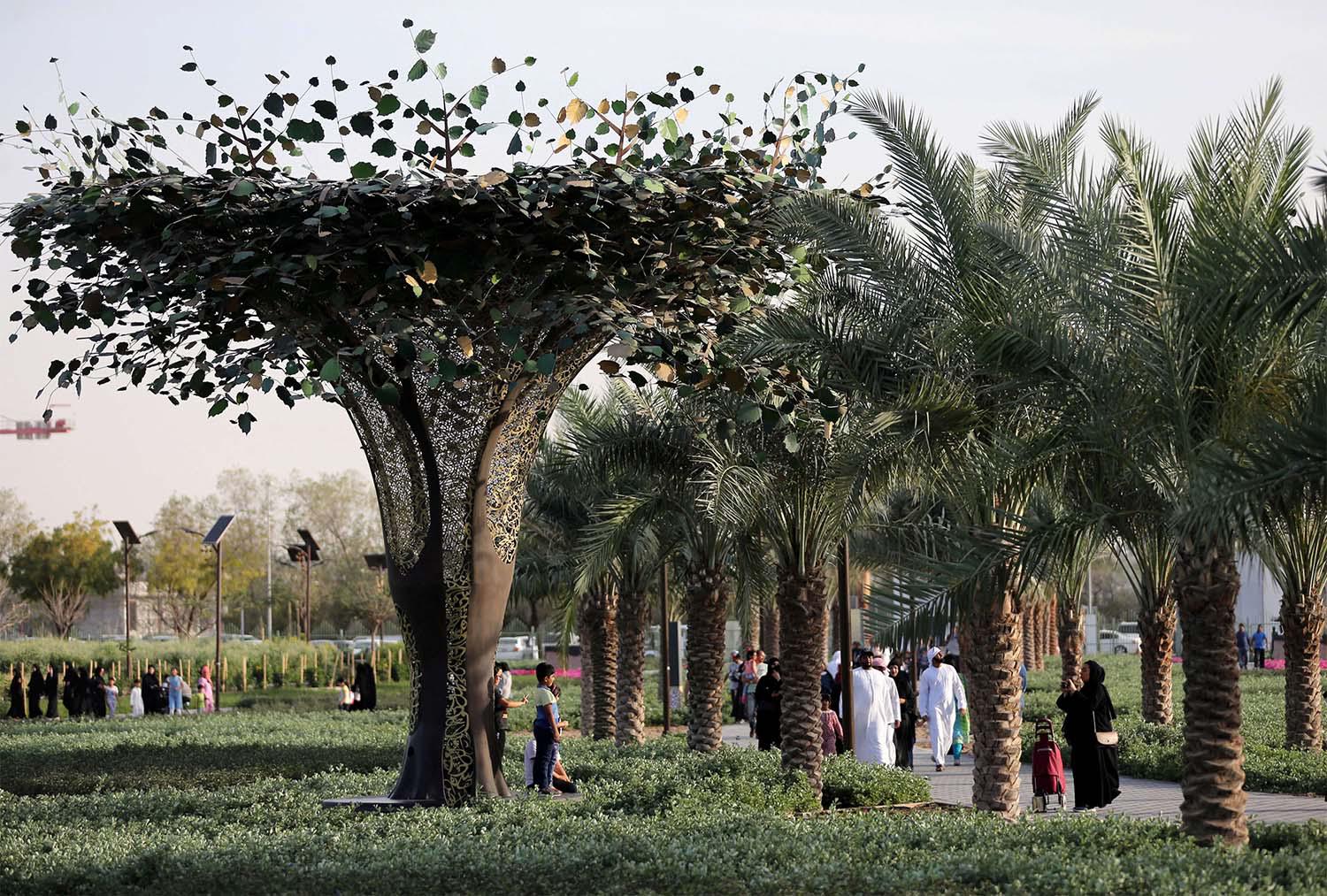
The Blue and Green Spaces Roadmap will transform Dubai into a sustainable oasis
DUBAI - Dubai Municipality unveiled on Wednesday the Blue and Green Spaces Roadmap 2030, a comprehensive initiative valued at more than AED 4 billion (approximately $1.08 billion), in a bold step toward enhancing urban livability and combating desert challenges.
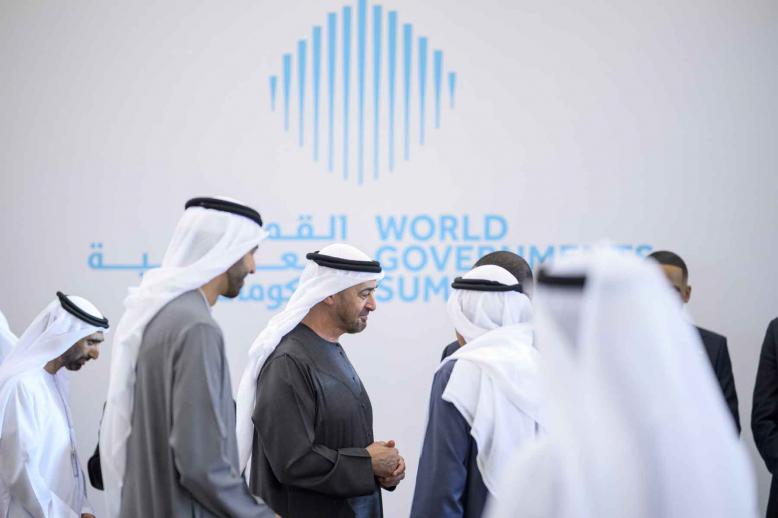
The ambitious project, launched during the World Governments Summit, aims to integrate nature more deeply into the emirate's urban fabric, positioning Dubai as a leading global sustainable city that prioritizes human wellbeing and environmental resilience.
Sheikh Mohammed bin Rashid Al Maktoum, Vice President and Prime Minister of the UAE and Ruler of Dubai, reviewed the roadmap, underscoring its alignment with broader visions for a balanced, integrated urban ecosystem. The plan builds on existing efforts under the Dubai 2040 Urban Master Plan and the Public Parks and Greenery Strategy, focusing on expanding access to green and blue spaces while addressing climate adaptation in one of the world's hottest regions.
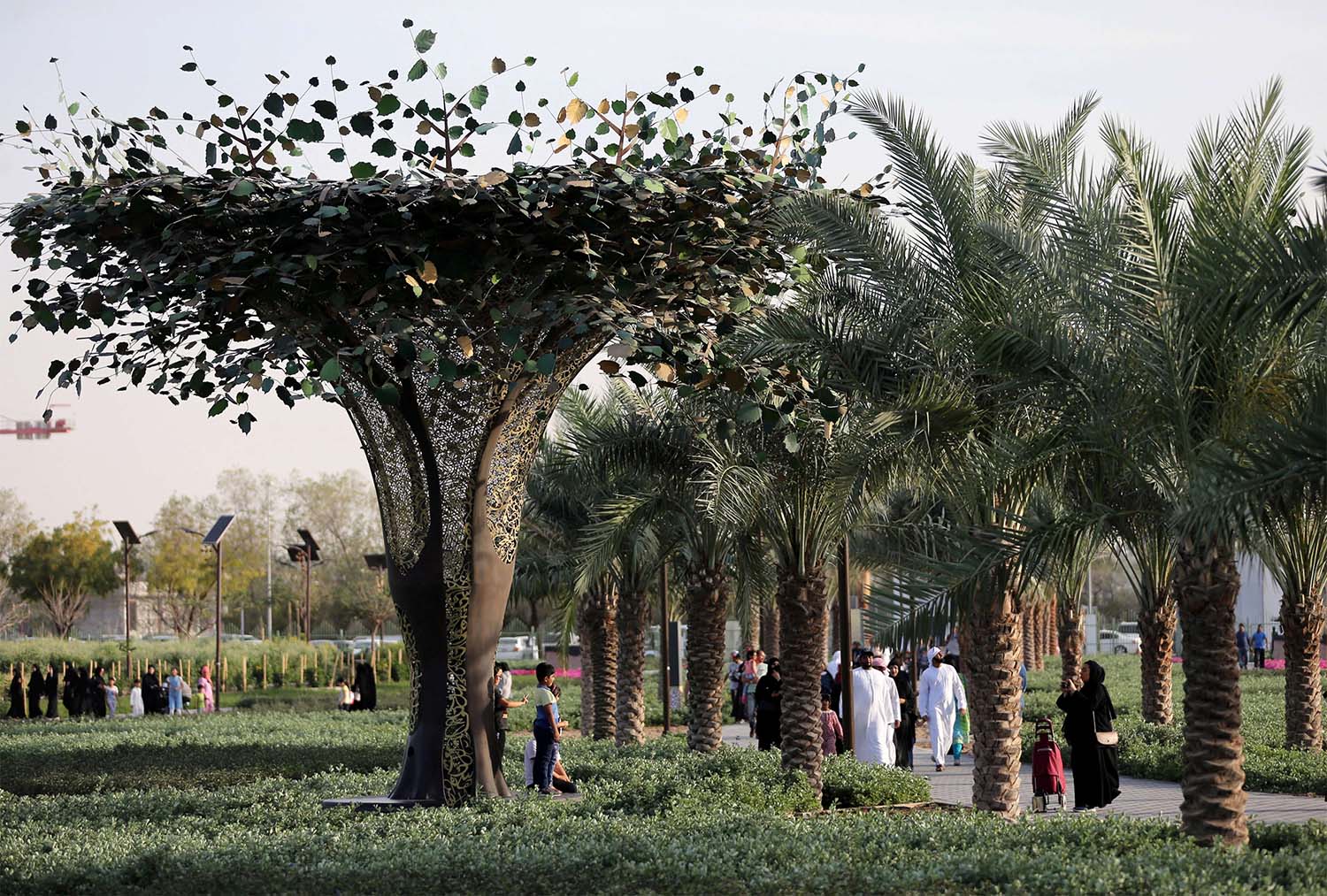
Key targets of the roadmap include planting approximately 1.5 million trees over the next five years to boost biodiversity, improve air quality, and provide natural cooling, implementing more than 45 landscaping and beautification projects to enhance streets, residential areas, and public zones, and adding 120 new parks spanning nearly 3 million square meters, creating accessible recreational havens for residents and visitors.
The municipality will also develop 200 sports and recreational spaces integrated into green networks, promoting active lifestyles and community engagement.
These elements will work together to increase per capita green space, support mental and physical health, and contribute to Dubai's long-term sustainability goals, including resilience against rising temperatures and urban heat islands.
The initiative reflects Dubai's ongoing commitment to greening its landscape despite its arid environment.
Recent achievements provide context: in 2024 alone, Dubai Municipality planted over 216,500 trees—an average of about 600 per day—and expanded green areas by 391.5 hectares (a 57% increase from 2023).
Green spaces under municipal supervision have more than doubled since 2011, surpassing 52 million square meters by the end of 2024. Smaller-scale efforts, such as a January 2026 collaboration with the Knowledge and Human Development Authority to plant 20,000 trees across parks, schools, and neighborhoods, have further demonstrated community-driven momentum.
The $1.08 billion investment signals a strategic shift, treating blue (water-related) and green infrastructure as essential components of urban planning rather than add-ons. By incorporating parks, expanded public beaches, and interconnected green corridors, the roadmap seeks to create a more livable city where nature enhances daily life, tourism, and economic vitality.
Officials emphasize that the project aligns with global sustainability trends and Dubai's Quality of Life Strategy 2033, which prioritizes urban environment improvements. As the emirate's population continues to grow, expanding green cover is seen as critical for maintaining attractiveness as a global hub while mitigating environmental pressures.
The launch has been met with enthusiasm from residents and observers, who view it as a forward-thinking response to urbanization challenges. Implementation will unfold over the coming years, with phased rollouts of tree-planting campaigns, park developments, and beautification works. While details on specific timelines and funding allocation remain forthcoming, the roadmap represents a significant milestone in Dubai's journey toward becoming a greener, more resilient desert metropolis.
As one of the most ambitious urban greening efforts in the region, the Blue and Green Spaces Roadmap 2030 promises to redefine how Dubai balances rapid development with environmental stewardship, ensuring future generations inherit a city that is not only innovative and prosperous but also lush and livable.