


Pressure to release Gleizes
French minister ties Algeria visit to key demands, stalling crisis resolution
Paris appears to have moved beyond symbolic gestures, adopting a policy that ties high-level visits directly to tangible results on the ground in sensitive areas.
Thursday 05/02/2026
Pressure to release Gleizes
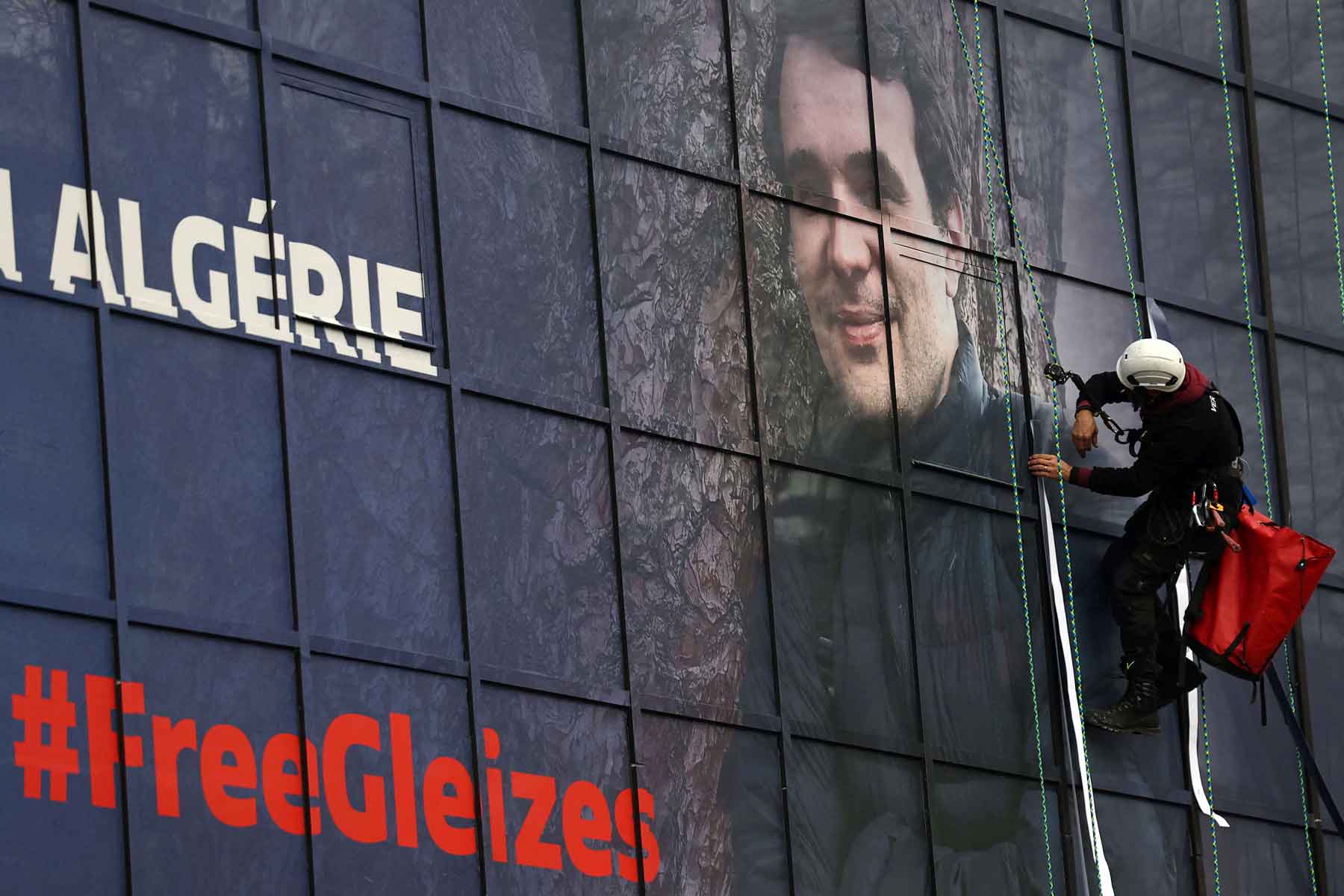
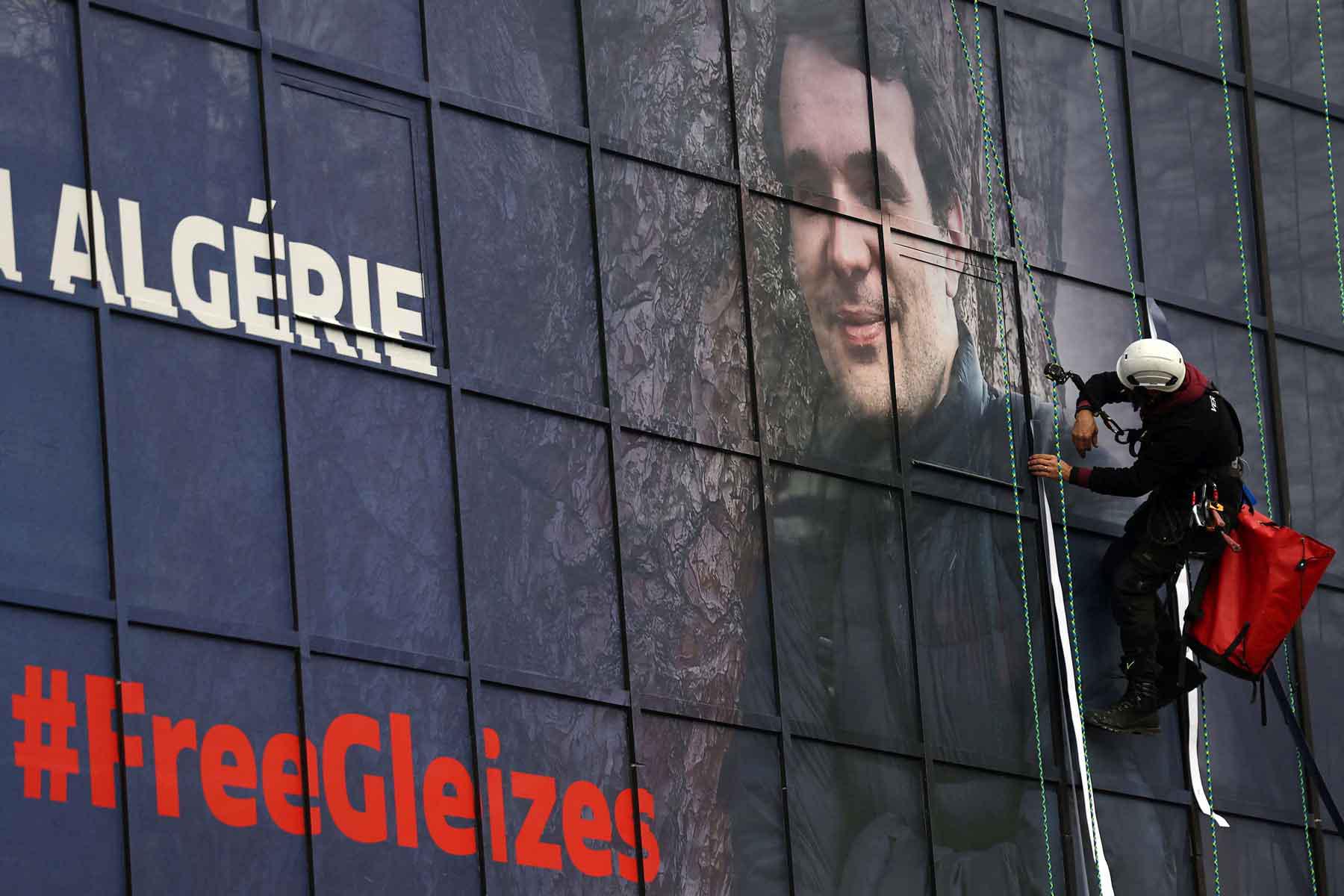
PARIS – French Interior Minister Laurent Nunez has set strict pre-conditions for his upcoming visit to Algeria, insisting that key dossiers must be resolved beforehand, chief among them the repatriation of migrants facing deportation and the release of French journalist Christophe Gleizes, who was convicted by Algerian courts of glorifying terrorism. The move adds a new layer of complexity to efforts to resolve a diplomatic crisis between the two countries.
Paris appears to have moved beyond symbolic gestures, adopting a policy that ties high-level visits directly to tangible results on the ground in sensitive areas. France sees Algerian cooperation in issuing consular authorisations for the return of French citizens as the primary metric of success for any rapprochement.
Nunez is reportedly pushing for these mechanisms to be activated quickly and automatically, warning that any official visit that does not deliver progress on these issues would be politically meaningless.
The case of Gleizes has become a focal point of both human rights and political leverage. Paris maintains that his continued detention obstructs attempts to repair frayed relations, demanding clear guarantees or his actual release before proceeding with high-level diplomatic engagement. For France, the detention of Gleizes is a “litmus test” of Algeria’s willingness to make concessions, while for Algiers, yielding under external pressure could be interpreted as compromising national sovereignty.
In December 2025, an Algerian court upheld a seven-year prison sentence for Gleizes, citing his previous communications with officials from the Movement for the Self-Determination of Kabylia (MAK) as evidence of glorifying terrorism.
The Interior Minister’s conditions also expose an internal debate within Paris over managing the Algeria crisis. One faction argues that France has historically been “too weak” in dealing with Algeria, and supports using multiple pressure points, including visas and aid, to secure Algerian concessions on migration. They assert that French sovereignty begins with the ability to repatriate unwanted migrants.
A rival faction advocates a pragmatic approach toward Algeria, a historical partner, warning that public demands and preconditions risk a total diplomatic rupture. This camp emphasises private, low-profile negotiations over public ultimatums, particularly on sensitive sovereignty issues, to protect France’s broader geopolitical interests, including energy security, regional stability in the Sahel and counter-terrorism efforts.
The insistence on linking official visits to specific outcomes places French diplomacy in a delicate position. Algeria resists any perception of being coerced, viewing public tying of visits to security or judicial issues as a form of blackmail, which risks hardening its stance.
Analysts note that divergent messages between the Interior Ministry and the Elysee Palace, which seeks to balance firm demands with maintaining dialogue, complicate trust-building. By connecting humanitarian and judicial files, such as the detention of Gleizes, with technical dossiers like migration, diplomats face a narrow margin for manoeuvre, further intensifying the challenge of repairing bilateral relations.