Morocco accelerates green hydrogen push with $35bn investment drive
The push into green hydrogen forms part of Morocco’s wider effort to strengthen energy independence.
Friday 06/02/2026
RABAT – Morocco is accelerating its ambitions to become a global leader in green hydrogen, with Prime Minister Aziz Akhannouch describing the sector as a “decisive turning point” in achieving the kingdom’s long-term energy sovereignty and reducing its dependence on imported fuels.
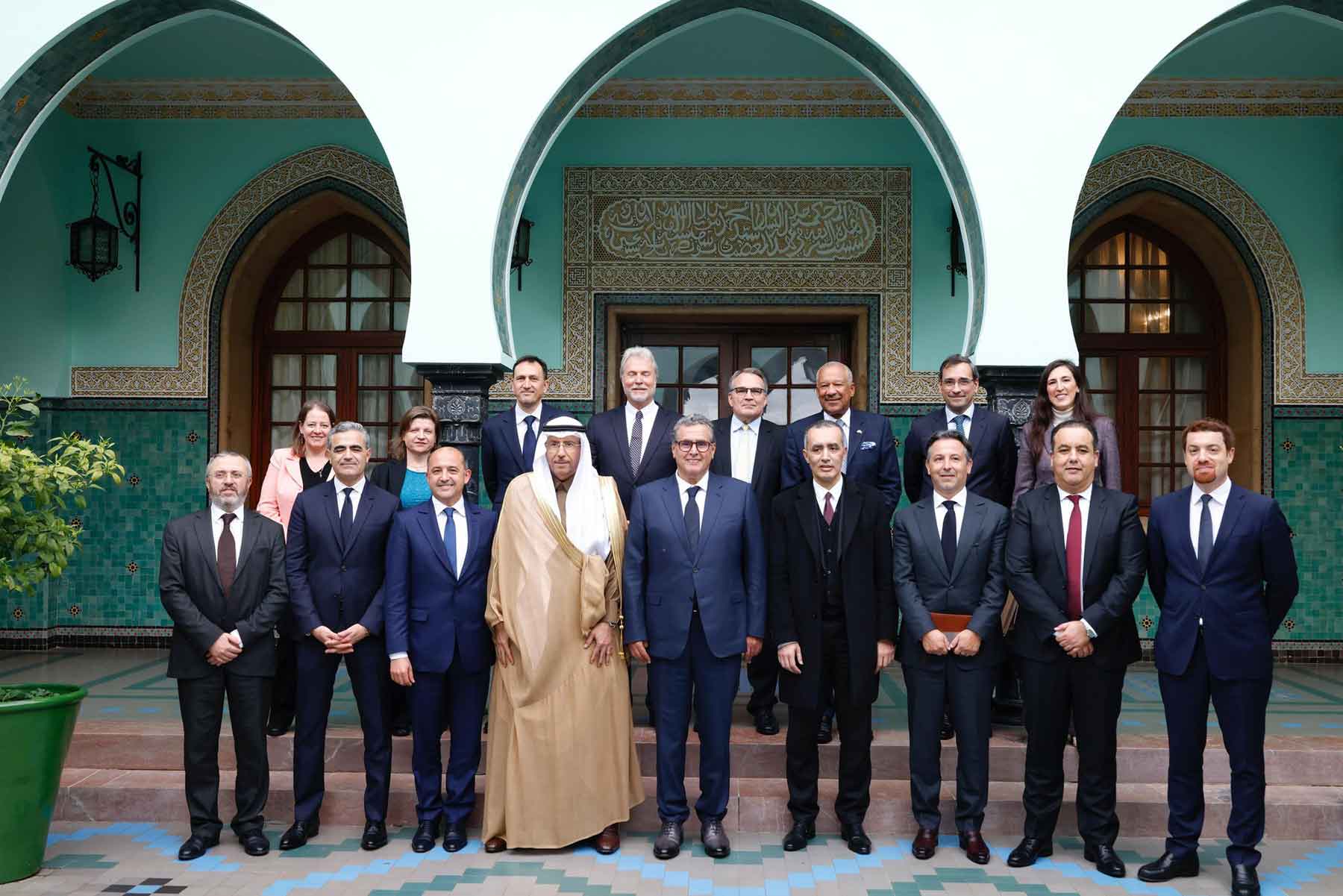
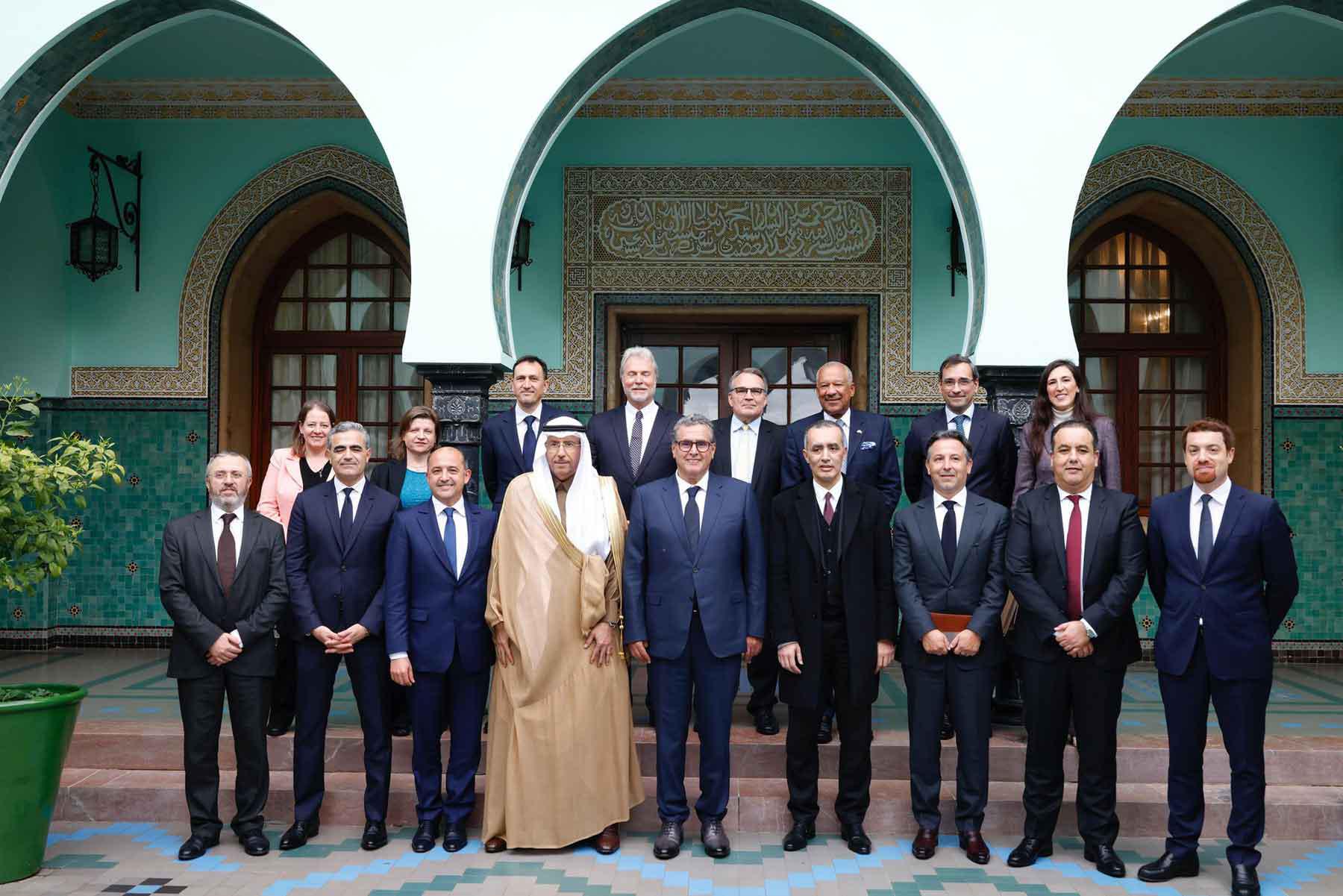
Speaking in Rabat after meeting national and international investors selected for Morocco’s green hydrogen initiative, Akhannouch emphasised that the country’s investment drive reflects a strategic national priority backed by strong political commitment and significant financial resources.
The meeting, attended by Tariq Amzian Mefdal, chief executive of the Moroccan Agency for Sustainable Energy (MASEN), marked a key milestone in the implementation of preliminary land allocation agreements for major green hydrogen projects under the government’s flagship Offre Maroc initiative.
Akhannouch praised the investors and international partners contributing to Morocco’s ambitions, stressing the government’s determination to ensure the rapid and effective rollout of incentive measures designed to support the entire green hydrogen value chain.
He said Morocco’s strategy is grounded in its “rich and diverse natural resources, national expertise and ability to build balanced and effective investment partnerships,” adding that the kingdom aims to join the ranks of countries with strong clean energy production capabilities.
Major investment drive targeting global leadership
Morocco has committed approximately 319 billion dirhams ($31.9 billion) to develop green hydrogen projects, particularly in its southern provinces, including Laayoune-Sakia El Hamra, Dakhla-Oued Eddahab and Guelmim-Oued Noun.
The government has already signed preliminary agreements with five domestic and international investors to implement six projects, while allocating up to one million hectares of land to support the programme. Major global energy firms, including the UAE’s TAQA, France’s Total, Saudi Arabia’s ACWA Power and Morocco’s Nareva, have expressed interest in participating.
The initiative aims to position Morocco as a leading producer and exporter of green hydrogen, particularly to European markets seeking to accelerate their transition to clean energy. The sector is also expected to reinforce Morocco’s global leadership in fertiliser production, given its vast phosphate reserves, by enabling the production of green ammonia.
Morocco’s broader renewable energy strategy envisions generating up to 120 gigawatts of renewable electricity capacity, leveraging its abundant solar and wind resources and extensive Atlantic coastline.
Energy Transition and Sustainable Development Minister Leila Benali previously announced plans to more than triple annual renewable energy investments to $1.4 billion by 2027, underscoring the scale of the kingdom’s long-term commitment.
Reducing dependence on energy imports
The push into green hydrogen forms part of Morocco’s wider effort to strengthen energy independence. The country currently imports around 96 per cent of its energy needs, leaving it vulnerable to international market volatility and price fluctuations.
Renewable energy already accounts for about 40 percent of Morocco’s installed electricity capacity, with the government aiming to increase this share to 52 percent by 2030.
Officials say the green hydrogen initiative aligns with the strategic vision of King Mohammed VI, who has prioritised renewable energy investment as a pillar of economic development and energy security.
International analysts note that Morocco’s favourable geography, strong renewable energy potential and proximity to European markets position it to become a major global supplier of green energy and related industrial products, including green ammonia and sustainable fuels.
As Morocco accelerates implementation of the Offre Maroc initiative, the kingdom is seeking not only to meet domestic energy needs but also to emerge as a key player in the rapidly expanding global green hydrogen economy, reinforcing its role as a regional and international clean energy hub.