

The rebranding of the Polisario from "independence movement" to "Iranian proxy" fundamentally changes the diplomatic calculus
US Congress puts Iran’s ‘Houthi-fication’ of Polisario under microscope
Washington is now sounding the alarm that Iran is no longer just looking at the Levant and the Gulf and is actively attempting to export the "Houthi Model" to North Africa via the Polisario Front.
Friday 06/02/2026
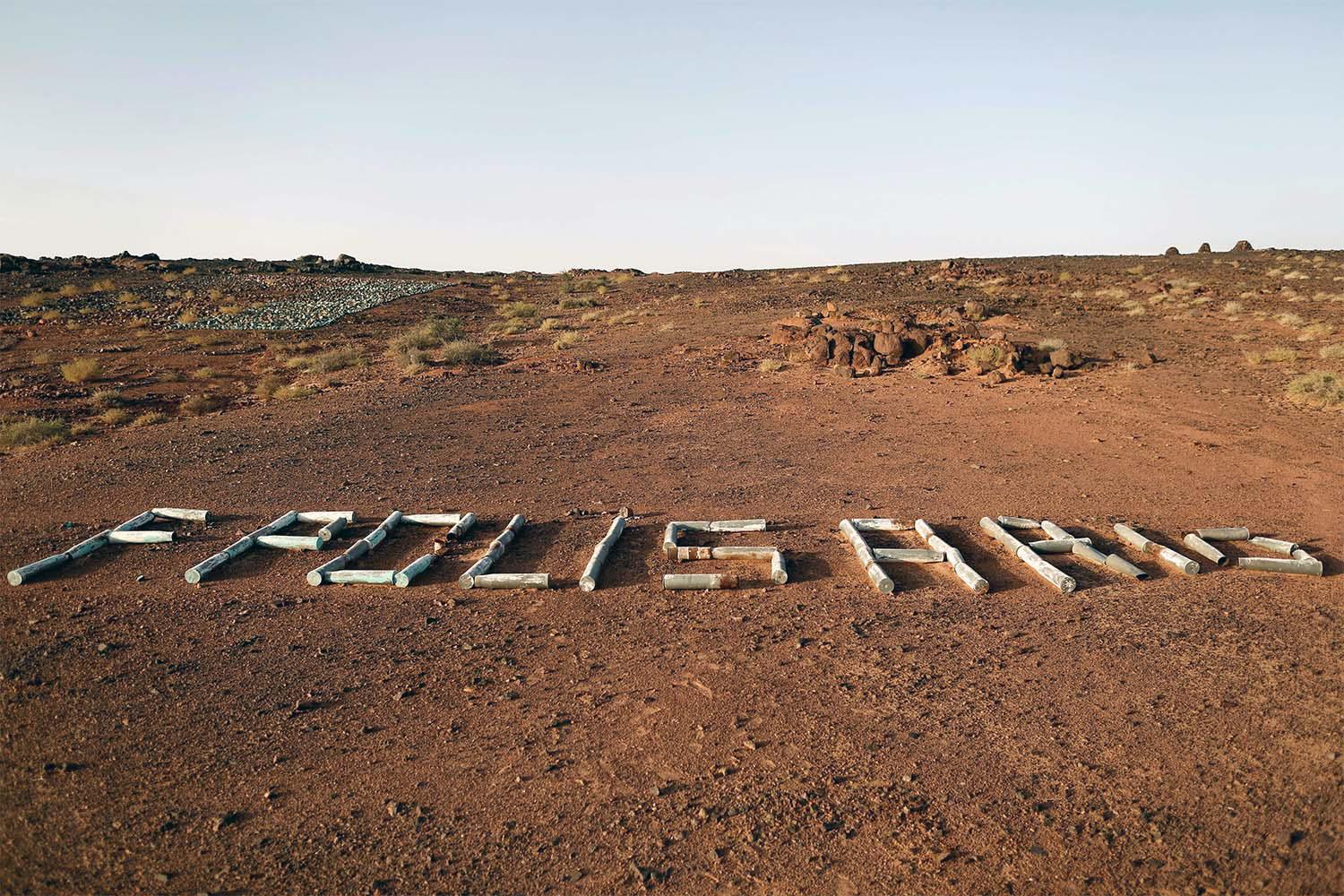
The rebranding of the Polisario from "independence movement" to "Iranian proxy" fundamentally changes the diplomatic calculus
WASHINGTON – For years, the desert sands of the Sahara were seen as the backdrop for a localized regional dispute. However, recent high-stakes testimony within the halls of the US Congress suggests that the landscape has shifted. Washington is now sounding the alarm: Iran is no longer just looking at the Levant and the Gulf—it is actively attempting to export the "Houthi Model" to North Africa via the Polisario Front.
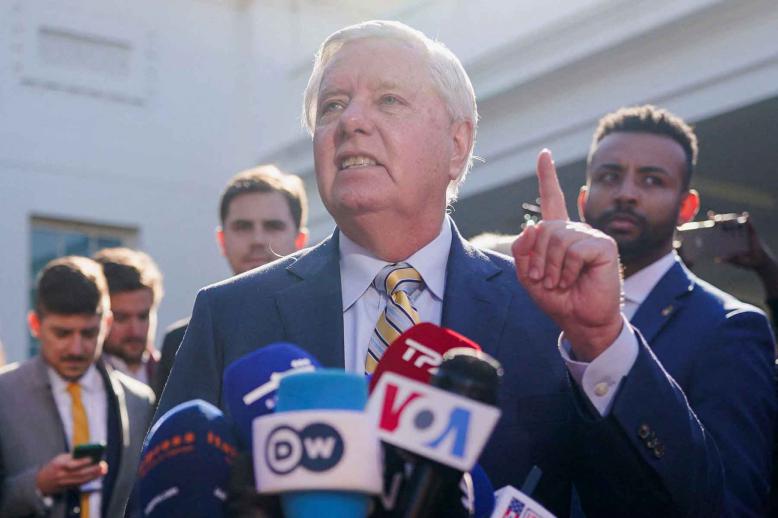
Led by influential figures such as Senator Ted Cruz, a new strategic consensus is forming. The fear? Tehran is successfully cultivating a new proxy in the Maghreb to create a permanent "gray zone" of instability, threatening both Western security and the territorial integrity of Morocco.
The Hezbollah Blueprint: Tunnels, Drones, and Tactic
During a recent hearing with Robert Palladino of the State Department’s Bureau of Near Eastern Affairs, the discussion pivoted from intelligence whispers to public record. The evidence points to a sophisticated "train-and-equip" mission led by the Iranian Revolutionary Guard Corps (IRGC).
The "Houthi-fication" of the Polisario involves several key components:
- Asymmetric Tech: The delivery of Iranian-made drones to the separatist front, mirroring the tactics used to paralyze Gulf infrastructure.
- The Lebanese Connection: Hezbollah cadres have reportedly been spotted in the Tindouf camps, sharing the expertise they perfected in South Lebanon—specifically complex tunnel-digging and advanced flanking maneuvers.
- Terrorist Bridges: There are growing concerns that the Polisario is acting as a logistical "broker," facilitating the movement of weapons and resources through desert corridors to benefit jihadist groups operating in the wider Sahel.
Morocco’s 2018 "Preemptive Strike" and the War for the Soul
The current US concern validates a move Morocco made years ago. In 2018, the Kingdom made the bold decision to sever ties with Tehran—a move many then viewed as purely symbolic. Today, it looks like a masterclass in preemptive diplomacy.
Rabat’s dossier at the time was clear: direct coordination between the Iranian embassy in Algiers and Hezbollah to deliver SAM-9 and SAM-11 missiles to the Polisario.
But the threat isn't just kinetic; it's cultural. Moroccan officials have long warned that Iran is attempting to spread "political Shiism" within the Tindouf camps and West Africa. This is seen as a direct assault on the Maliki school of Islam, which has historically served as the spiritual and social bedrock of stability in the region. By eroding this religious unity, Tehran hopes to find more fertile ground for radicalization.
Financial Strangulation: The FTO "Nuclear Option"
Congressional hawks are now pushing for the ultimate diplomatic hammer: designating the Polisario as a Foreign Terrorist Organization (FTO).
If this designation passes, the "rules of the game" will be incinerated:
- Global Asset Freeze: Any bank or entity holding Polisario funds would be forced to freeze them or face US exclusion.
- The "Algerian Dilemma": As the primary host and backer of the Polisario Front, Algeria would find itself in an impossible position. Under US counter-terrorism laws, continued support for a designated FTO could trigger secondary sanctions, potentially crippling Algiers’ own international financial standing.
The Endgame: Autonomy as the Only Exit
The rebranding of the Polisario from "independence movement" to "Iranian proxy" fundamentally changes the diplomatic calculus. Washington is increasingly viewing the conflict not as a decolonization issue, but as a global security imperative.
This shift provides significant tailwinds for the Moroccan Autonomy Proposal. By drying up the Polisario's external support under the banner of "Global Security," the US and its allies are signaling that a sovereign Moroccan Sahara is the only credible bulwark against Iranian penetration into the Atlantic-Mediterranean corridor.
In the eyes of many in the Capitol, the choice is no longer between two sides of a regional dispute—it’s between a stable, Western-aligned Morocco and an unstable, Iranian-backed militia enclave.