

Barzani: Northeast Syria was close to ethnic confrontation
Barzani says joint action averted ‘real catastrophe’ in northeast Syria
Barzani said the surge in fighting had raised serious fears that the violence could spiral beyond military clashes into a broader ethnic conflict
Friday 06/02/2026
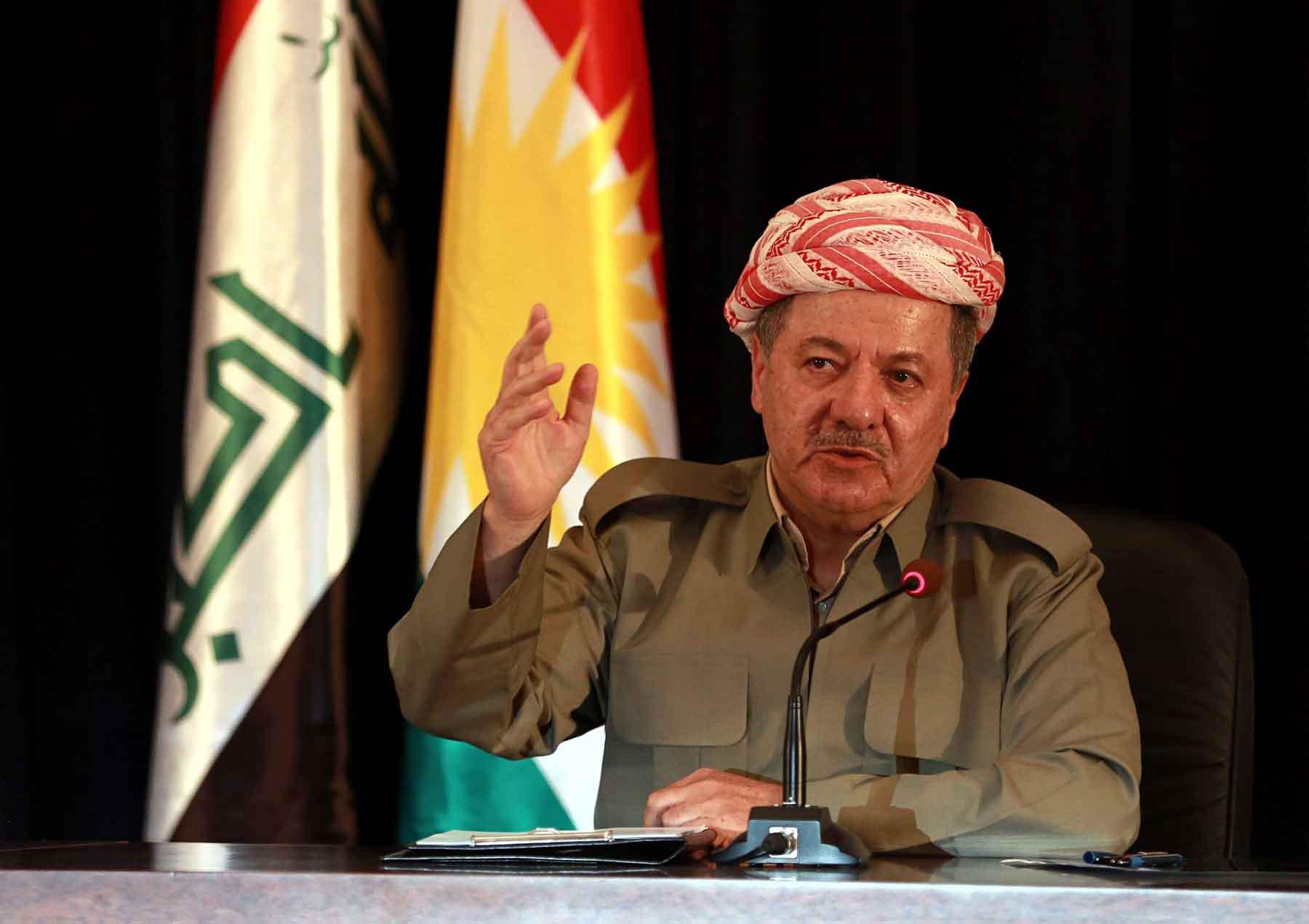
Barzani: Northeast Syria was close to ethnic confrontation
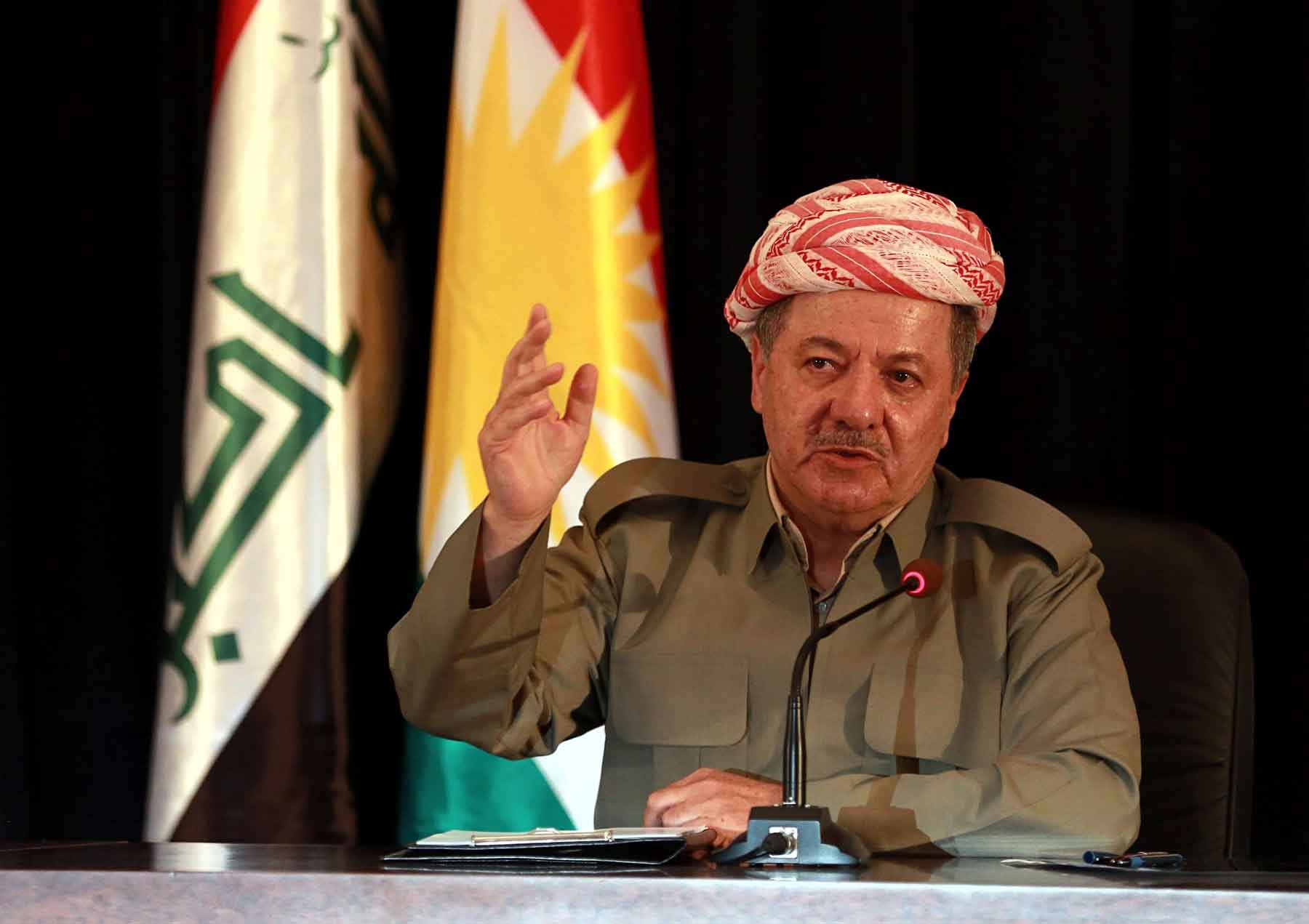
ERBIL – Kurdistan Democratic Party leader Masoud Barzani warned that recent military escalation in northeast Syria came dangerously close to triggering an ethnic confrontation between Kurds and Arabs, describing the threat as a potential “real catastrophe” that was narrowly avoided through coordinated intervention.
Speaking at the 11th Mesopotamia Health Congress in Erbil, Barzani said the surge in fighting had raised serious fears that the violence could spiral beyond military clashes into a broader ethnic conflict, with far-reaching consequences for regional stability and coexistence.
He stressed that such a scenario would have plunged the region into a destructive cycle of ethnic strife with no clear victors, underscoring that “joint efforts contributed to containing the situation and preventing it from turning into a comprehensive war.” He added that “coordinated action between the relevant parties” had played a decisive role in halting the deterioration before it crossed a dangerous threshold.
Fragile calm after near-miss escalation
Barzani acknowledged that “unpleasant incidents” had occurred during the crisis but emphasised that far worse outcomes had been imminent and were only narrowly avoided. He described the preservation of calm and de-escalation as an achievement in itself, warning that the current stability remains fragile.
He expressed hope that the existing agreement between the Kurdish-led Syrian Democratic Forces (SDF) and the Syrian government would endure, noting that its collapse could reignite tensions and undo the progress made toward stabilisation.
The ceasefire arrangement includes provisions for the partial integration of Kurdish forces into Syrian state institutions and the return of government administrative bodies to Kurdish-controlled cities and regions.
While the agreement reflects a complex balance of political and security interests, it is widely seen as a critical step toward preventing renewed conflict and limiting the geographical spread of war.
Kurdish unity seen as decisive factor
Barzani also highlighted what he described as unprecedented Kurdish solidarity during the crisis, praising unity among Kurdish communities both inside Syria and across the wider region. He said this cohesion had been a decisive factor in preventing escalation and should serve as a foundation for managing future challenges.
“This unity must become the basis for addressing any events that may arise from now on,” he said, reiterating that while Kurds do not seek war, they will not accept oppression or the denial of their rights.
His remarks come against the backdrop of continued volatility in Syria, where overlapping regional and internal dynamics have left ceasefires vulnerable to collapse. The northeast, in particular, remains a sensitive fault line involving Kurdish forces, Arab communities and the Syrian state, as well as broader international interests.
Calls for dialogue and peaceful resolution
Barzani has repeatedly urged political dialogue as the only viable path forward. Last month, he called on Syrian President Ahmed al-Sharaa to prevent tensions from escalating into an Arab-Kurdish confrontation, stressing the importance of resolving disputes through negotiation and rejecting any aggression against Kurdish populations.
He has long advocated a comprehensive peace process addressing the Kurdish issue across the Middle East, arguing that current conditions present an opportunity to secure legitimate Kurdish rights through peaceful means rather than armed conflict.
As one of the region’s most influential Kurdish leaders, Barzani continues to promote political engagement and peaceful coexistence as the cornerstone of lasting stability, warning that any return to ethnic confrontation would carry consequences far beyond Syria’s borders.