




Rescue and relief efforts intensify
Morocco struggles to evacuate thousands amid unprecedented floods
The Moroccan army has provided helicopters, military trucks, fast boats, drones, bulldozers and other equipment to reach isolated villages in the country’s northwest.
Tuesday 10/02/2026
Rescue and relief efforts intensify
RABAT – Moroccan authorities are racing against time to rescue flood victims and evacuate residents from four regions ravaged by relentless flooding for the 14th consecutive day, as relief efforts continue to reach communities cut off by rising waters.
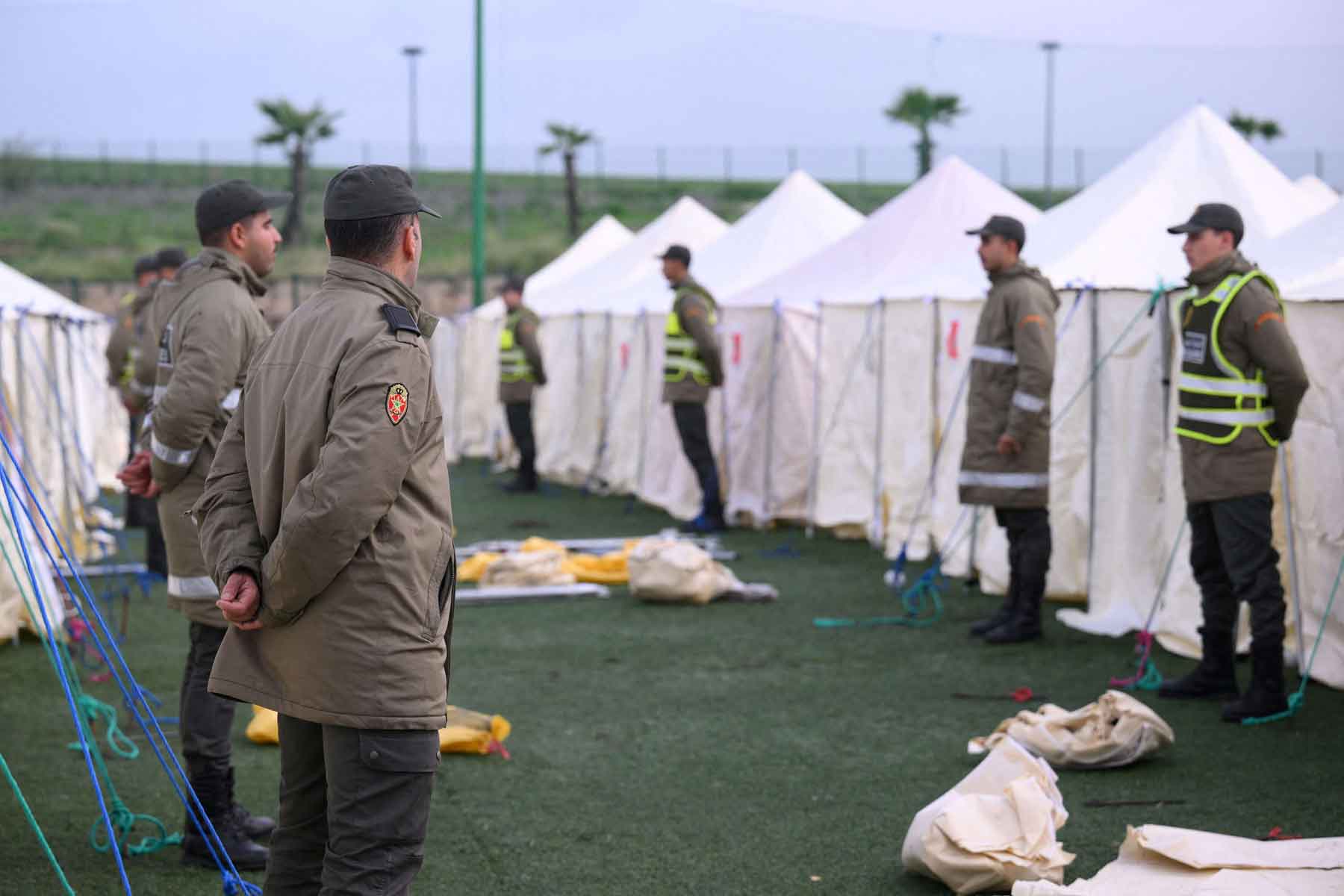
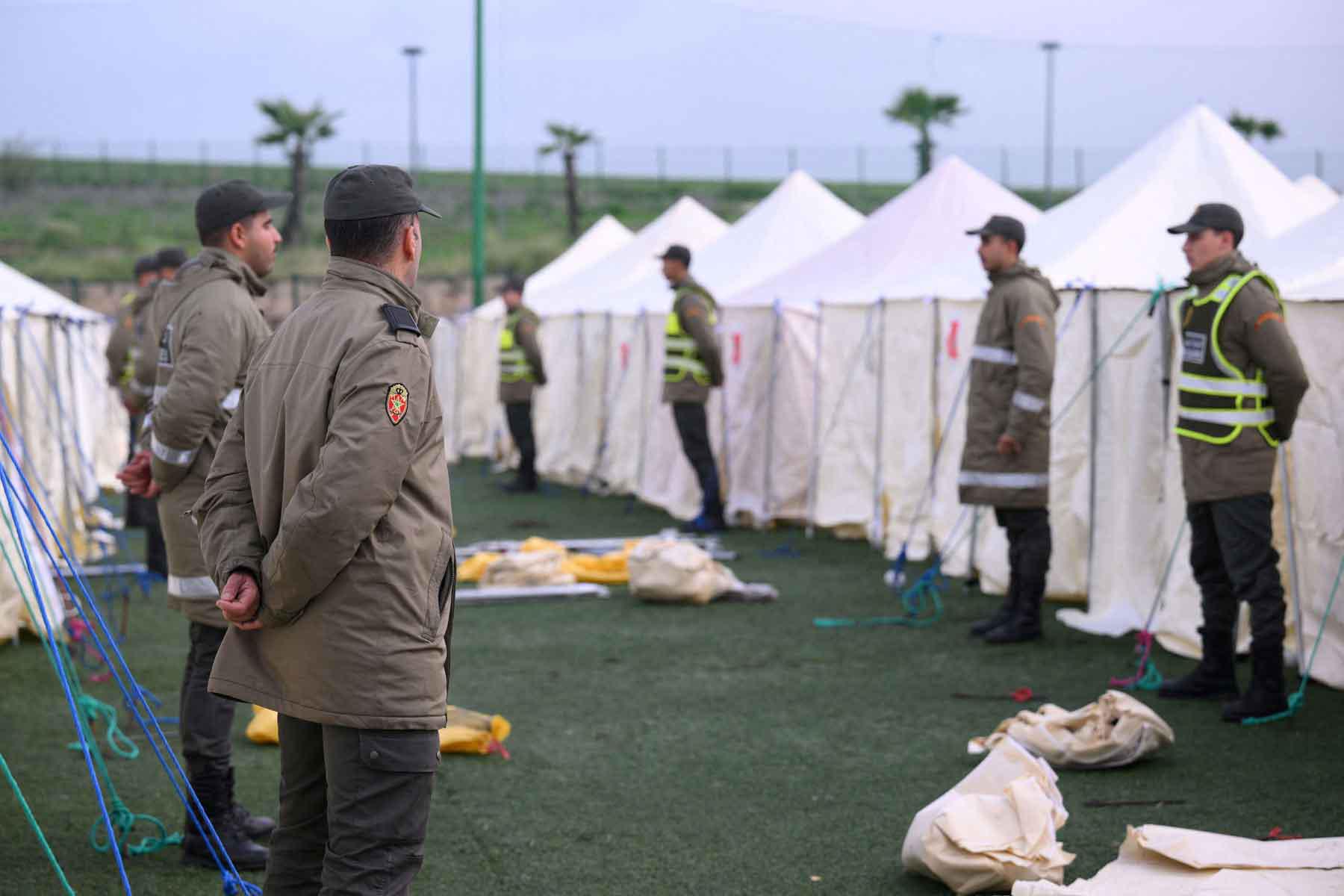
The affected areas include Larache in the north, Kenitra in the west, and Sidi Kacem and Sidi Slimane in northern Morocco. Authorities have set up temporary shelters in nearby cities, with special camps constructed in Kenitra to accommodate displaced families. Additional evacuees have been relocated to facilities designated for emergency housing.
Weeks of heavy rainfall, compounded by the controlled release of water from overfilled dams such as the Wadi Makhazine Dam, which is currently at more than 140 percent capacity, have caused Oued Loukos to overflow, inundating neighbourhoods in Ksar El Kebir and surrounding areas. Similarly, the Sebou River has reached critically high levels, affecting towns including Sidi Kacem and Sidi Slimane, where entire villages have been submerged and key roads cut off. Sandbags and reinforced riverbanks are being deployed to mitigate further flooding.
Authorities have launched large-scale precautionary evacuations to prevent loss of life, with operations described as unprecedented in scale, particularly in Larache province. The efforts involve boats, helicopters and the establishment of emergency camps in neighbouring cities such as Tangier and Tetouan.
These temporary camps provide food, shelter, healthcare services, remote education, psychological support and targeted assistance for vulnerable groups, including pregnant women and the elderly.
In Kenitra province, a camp on the outskirts of the region houses approximately 3,000 families, totalling around 15,000 people. Separate facilities have been arranged for the evacuees’ livestock, reflecting the predominantly rural background of those affected.
Fatima Cherif, 58, a resident of the camp, praised the authorities’ efforts, noting that displaced families are receiving comprehensive support, from evacuation to daily needs. “The authorities ensure food, medical services and all essential support,” she told Anadolu Agency.
Similarly, Al-Aouni Ali, a 60-year-old farmer, said he and his family, along with their livestock, were safely evacuated. “All our needs are met in the camp. The authorities acted swiftly during the floods that hit our village, ensuring our safety,” he said.
Since January 28, the four affected provinces have faced severe flooding. Rescue operations have involved the Royal Armed Forces, the Royal Gendarmerie, the Royal Navy, auxiliary forces, civil protection, police and local authorities.
The Moroccan army has provided helicopters, military trucks, fast boats, drones, bulldozers and other equipment to reach isolated villages in the country’s northwest. Rescue teams have also used inflatable motorboats and other specialised watercraft to evacuate residents from submerged homes to safer locations.
In Sidi Kacem province, with support from the Royal Armed Forces, authorities have delivered humanitarian aid to residents and livestock herders in the town of Jarfat . According to official sources, 32 tonnes of barley, alongside other essential food supplies, were distributed to families isolated by the floods.
On Friday, the Ministry of Interior reported that more than 154,000 people had been evacuated across Larache, Kenitra, Sidi Kacem, and Sidi Slimane due to the ongoing flooding.
This disaster follows the floods that struck the city of Safi in December 2025, which claimed 37 lives. Social care facilities, schools, and sports halls have been converted into temporary shelters to accommodate displaced populations.
Authorities continue to mobilise resources to ensure relief reaches all affected areas, while monitoring river levels and reinforcing flood defences to prevent further damage.