

A country caught between sovereignty and political pragmatism
Iraqi FM flags dilemma over Maliki’s potential return to power
Hussein’s acknowledgement of the seriousness of US warnings has been interpreted by observers as a “wake-up call” to Iraq’s political blocs.
Friday 13/02/2026
A country caught between sovereignty and political pragmatism
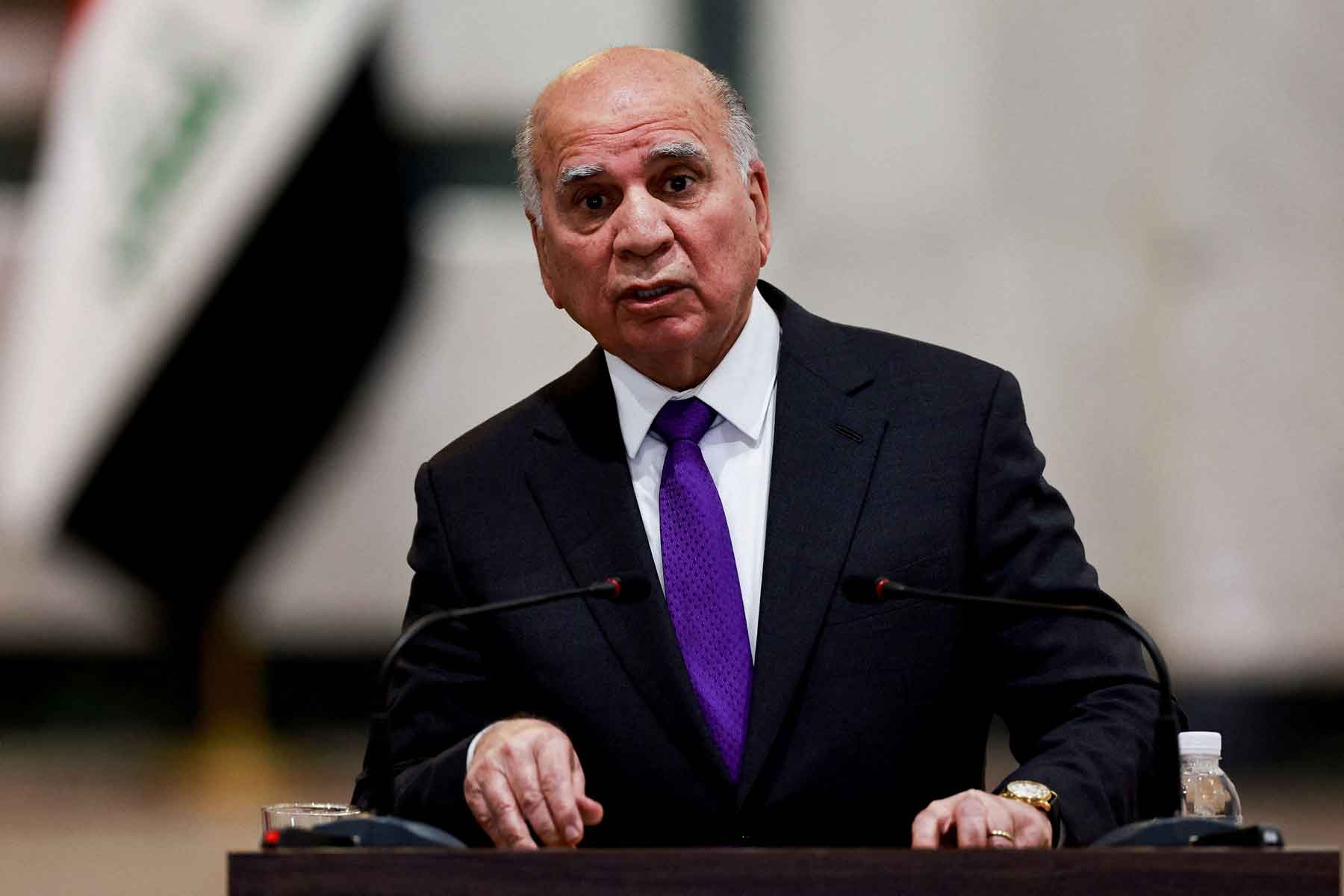
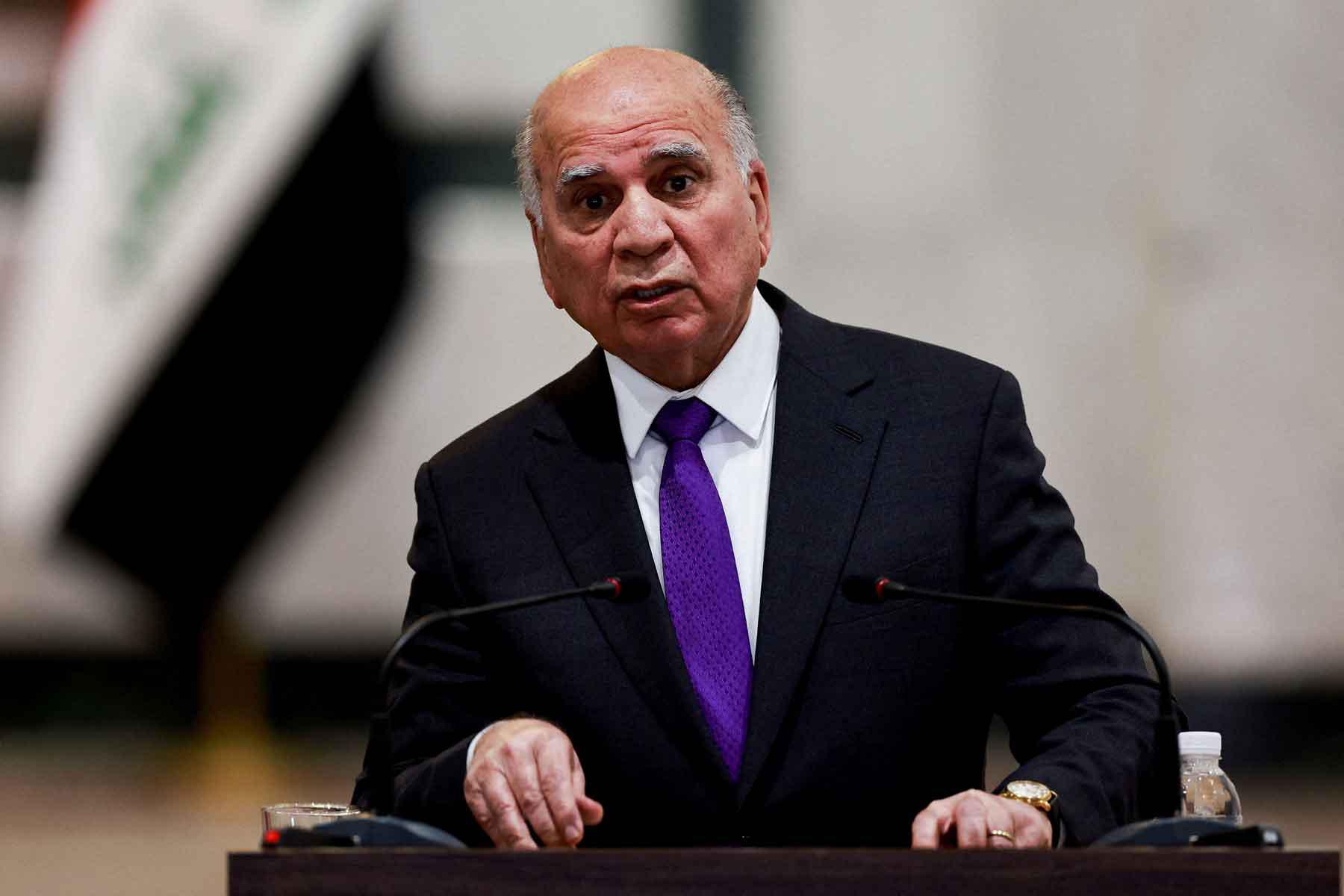
BAGHDAD – Iraq’s Foreign Minister Fuad Hussein acknowledged on Friday that Baghdad is taking US opposition to the potential return of former Prime Minister Nouri al-Maliki seriously, even as he emphasised that the matter remains an internal Iraqi issue.
Speaking on the sidelines of the Munich Security Conference, Hussein framed his comments as a careful attempt to balance the principle of national sovereignty with political realism.
His remarks underscore the dilemma facing Iraq: to proceed with al-Maliki’s nomination, which could trigger a direct confrontation with the Trump administration and potential financial or political consequences, or to seek a compromise behind the scenes. This could involve persuading the head of the State of Law Coalition to nominate a “shadow candidate” or a settlement figure acceptable to Washington and domestic stakeholders, in order to avoid a broader political crisis.
Hussein’s acknowledgement of the seriousness of US warnings has been interpreted by observers as a “wake-up call” to Iraq’s political blocs. Despite Iraq’s sovereignty, international dynamics exert significant influence over the selection of the next prime minister, placing Maliki’s ambitions in direct tension with firm international opposition to a repeat of past governance.
Trump himself spoke last month via the Truth Social platform, warning that Iraq would make a “grave mistake” by reinstalling Maliki. “The last time he was in power the country plunged into total poverty and chaos, this must not be allowed again,” Trump said.
US concerns over Maliki’s return are grounded in his previous tenure from 2006 to 2014, which Washington views as having exacerbated internal tensions and sectarian divisions, ultimately facilitating the loss of one-third of Iraq to the Islamic State (ISIS).
The United States categorises Maliki as a close ally of Tehran, and a potential return to power is seen as likely to increase Iranian influence in Iraq at the expense of the US-Iraq partnership.
Despite these pressures, Maliki appears determined to pursue what he describes as his “right” to nomination, relying on his electoral weight within the State of Law Coalition and his standing within the Coordination Framework, the umbrella alliance of Shia parties. Yet his ambitions face significant domestic opposition, with critics warning of a return to political marginalisation, violent clashes, or mass protests.
Kurdish and Sunni political forces have also expressed serious reservations, fearing a rollback of agreements on decentralisation and power-sharing.
Hussein’s statement can be seen as an effort to steer Iraq away from the repercussions of US disapproval. He appears acutely aware that insisting on Maliki could trigger comprehensive economic and political repercussions with Washington, while abandoning him could provoke upheaval within the Shia political bloc, leaving Iraq caught between sovereignty and political pragmatism.