
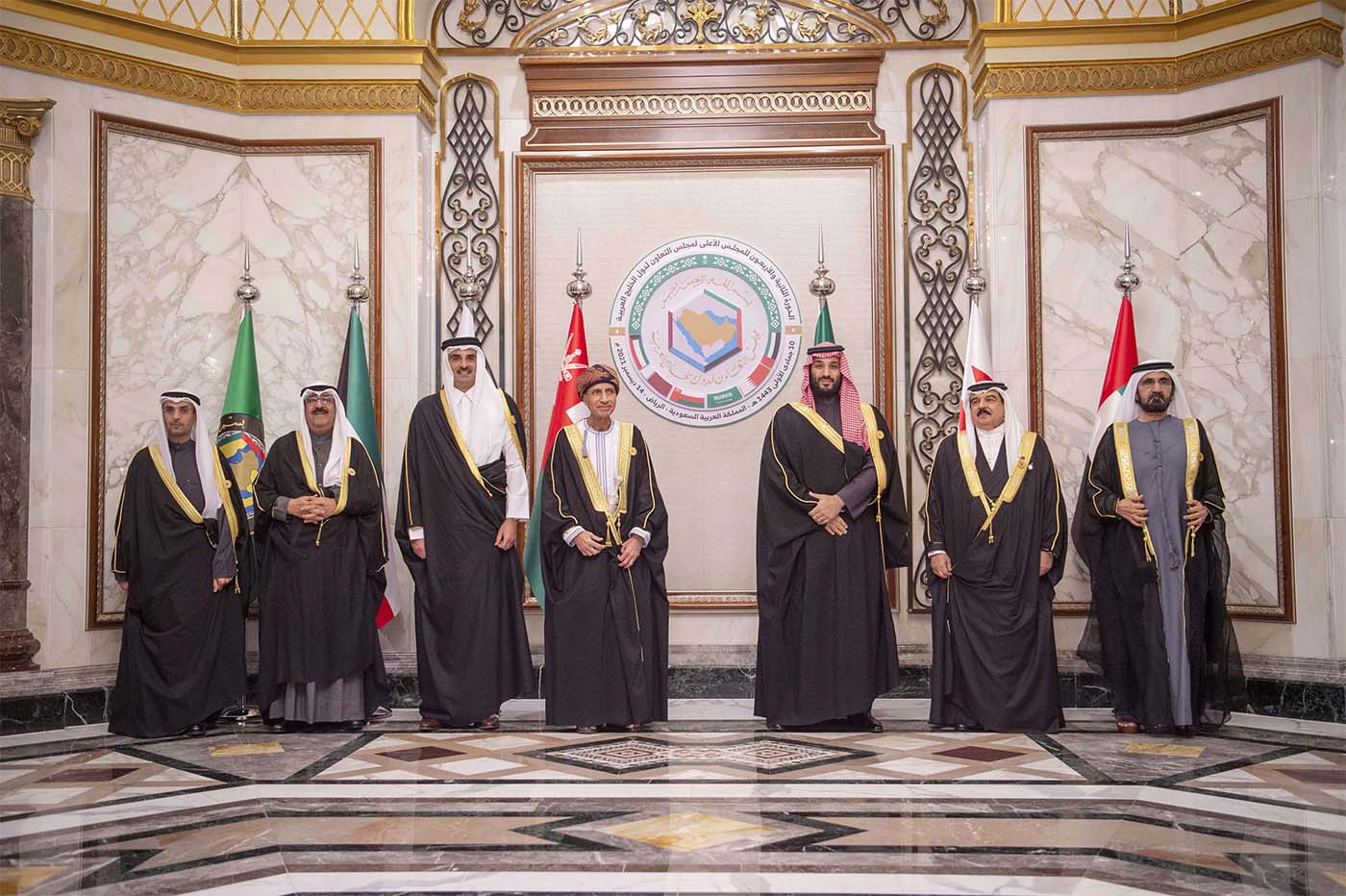
GCC states must rely on what unites them and forget what divides them
The need for greater cooperation in the Gulf Cooperation Council
Due to the new regional circumstances and the lack of trust in Iran, the Arab Gulf states have no choice but to work for greater cooperation within the GCC. All its states are now in the same boat, and none have been spared from Tehran's missiles.
Wednesday 01/04/2026
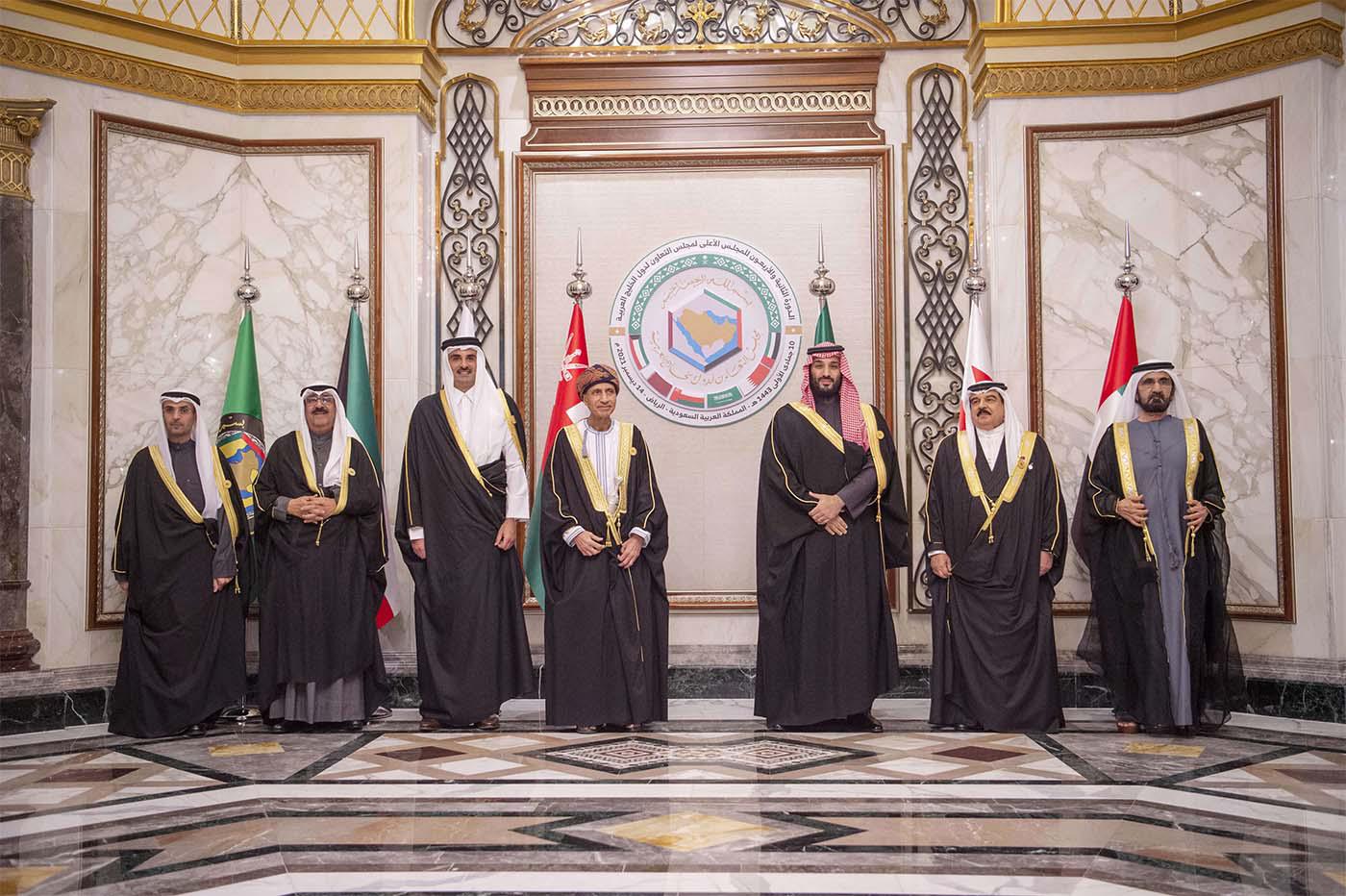
GCC states must rely on what unites them and forget what divides them
When the forty-sixth summit of the Gulf Cooperation Council (GCC) member states convened on December 3, 2025, I wrote in this forum that, regardless of the detailed outcomes of the Gulf summit, its very convening was a significant achievement. This is because the GCC remains the only active Arab regional bloc, unlike the Arab Maghreb Union, which is experiencing structural stagnation, or rather, a state of clinical death, due to the Moroccan-Algerian dispute over the Moroccan Sahara.
However, regional developments soon emerged that marred this picture, when the cloud of Saudi-Emirati disagreement overshadowed the region. Yet, this crisis did not trouble the Gulf for long, and it seems to have been overcome due to the enormity of the larger challenge facing all countries in the region: the American-Israeli war on Iran and the continuing uncertainty about Washington and Tel Aviv's ability to decisively resolve the conflict with Tehran with a knockout blow.
Perhaps the news related to the holding of American-Iranian talks in Islamabad to reach a comprehensive solution to the conflict in the Gulf and end the war confirms that uncertainty remains the master of the situation in the region until proven otherwise.
After initial discussions suggested that Iran would be brought back to its normal size and submission to American-Israeli will within a few weeks, the military tug-of-war continues between Washington and Tel Aviv on one hand, and Iran on the other.
Despite being severely crippled and many of its leaders eliminated, Iran appears resilient. It seems to have no option left but to raise the slogan "Upon me and my enemies," especially after US President Donald Trump threatened to target Iranian energy facilities. Tehran responded in kind, announcing that it would unleash "the third of the three calamities" upon the entire region, as ancient Arabs would say, meaning engulfing it in absolute evil.
Then came Trump's announcement to suspend the targeting of Iranian energy facilities for five days, to allow an opportunity for negotiations and avoid a comprehensive military escalation.
Perhaps it is the fate of the Gulf that the challenges it has faced, and continues to face, often originate from Iran. Though the first blow came from friendly fire when Saddam Hussein's forces invaded Kuwait on August 2, 1990, after all Gulf states had supported Baghdad in its eight-year war with Tehran.
One of the benefits of that war for the Gulf states, which brought danger closer to their borders, was that it, along with the Iranian threat after the 1979 revolution and growing fears of its export, served as a direct catalyst for the establishment of the Gulf Cooperation Council. The need for common economic, political, and security coordination became a more urgent strategic necessity than ever before.
Due to the new regional circumstances and the lack of trust in Iran, the Arab Gulf states have no choice but to work for greater cooperation within the GCC. All its states are now in the same boat, and none have been spared from Tehran's missiles. They are at a crossroads today, and therefore must rely on what unites them and forget what divides them.
In light of the prevailing uncertainty, the region faces a set of potential scenarios.
First, the scenario of a continued Iranian threat; consequently, the Gulf states will be required to deepen military coordination among themselves, revive joint defense projects, and continue to strengthen partnership with the United States and Western powers. The GCC would thus become more cohesive, resembling a defensive alliance more than an economic union.
Second, the scenario of a receding Iranian threat and a change in Tehran's expansionist behavior; in this case, the Gulf states will be required to reposition themselves and reconsider their priorities from security to economy, by accelerating financial integration projects, issuing the postponed Gulf currency, and promoting joint investment.
Third, the scenario of internal divergence regarding the outcomes of the war on Iran; some Gulf states might seek de-escalation with Iran, while others might lean towards escalation. In these circumstances, the Council will formally continue but with less effectiveness.
Given these facts, there is a prevailing belief that the future of the Gulf Cooperation Council after the war on Iran will be determined by the level of threat its states face, and not solely based on the war's outcome.
Ultimately, there are two choices. Either the challenges impose the logic of deep integration, or they reproduce old divergences in new forms. Between these two options, security will remain the compass, while the real gamble is to move from reaction to building a sustainable strategic partnership.