

Exhausted by displacement, economic collapse and worsening humanitarian conditions
Sudan’s anti-war forces gather in Nairobi to forge unified vision
The gathering comes at an exceptionally sensitive and complex moment for Sudan’s crisis, which has entered its fourth year with no clear end in sight.
Friday 22/05/2026
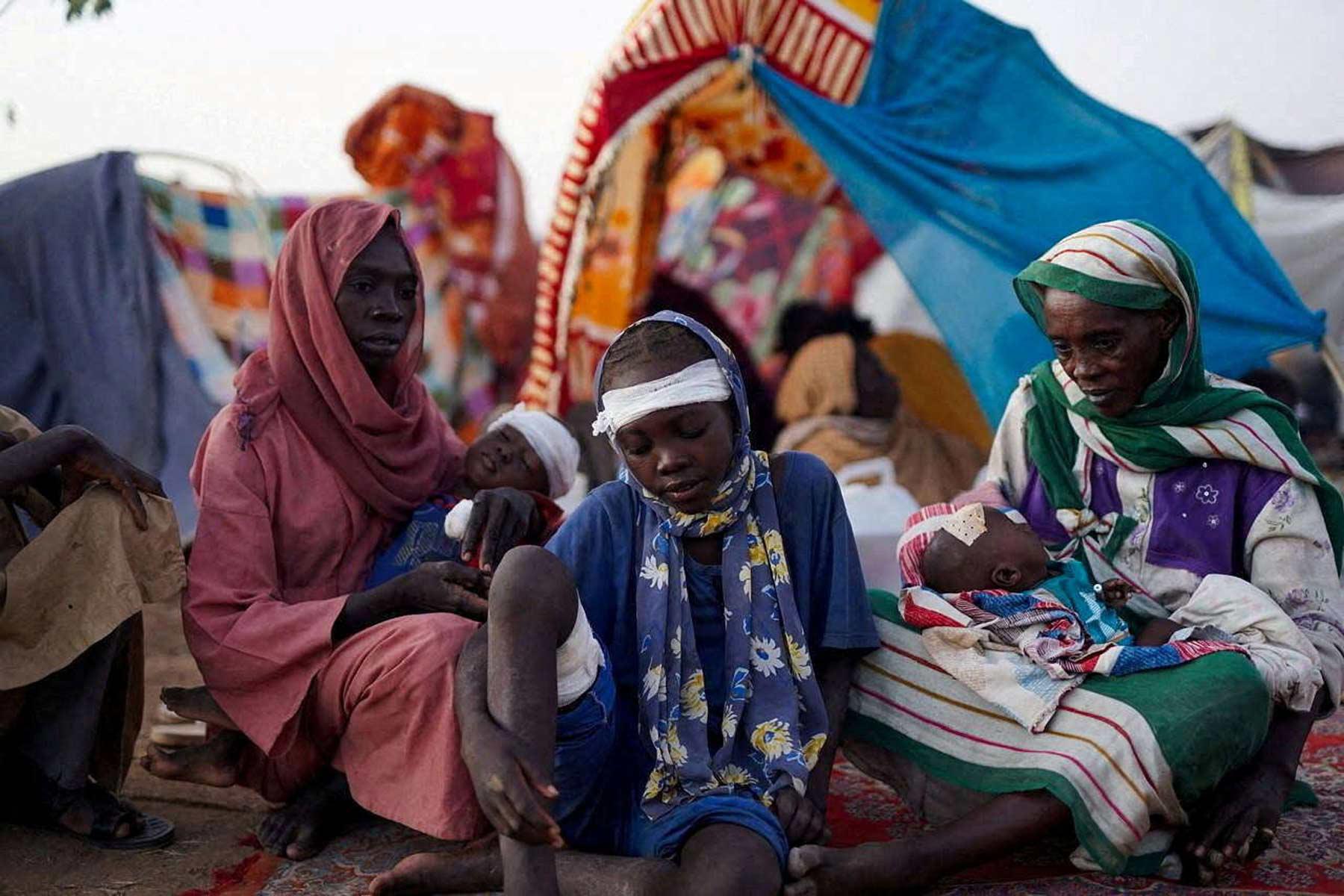
Exhausted by displacement, economic collapse and worsening humanitarian conditions
NAIROBI – Meetings of the signatories to the Sudanese Declaration of Principles for Building a New Homeland are set to begin in the Kenyan capital Nairobi on Friday, amid intense anticipation over the outcome of the talks and the significance of the broad participation bringing together political party leaders, civilian figures, public personalities and prominent armed movement commanders under one roof.
According to local media, several leading Sudanese political and civilian figures arrived in Nairobi on Wednesday to take part in the meetings, including Abdalla Hamdok, head of the “Samoud” coalition, Sudan Liberation Movement leader Abdul Wahid Mohamed Nur, Babiker Faisal, head of the executive bureau of the Unionist Alliance, Sudanese Congress Party leader Omar al-Digeir, Arab Socialist Ba’ath Party leader Ali al-Rih al-Sanhouri, National Umma Party Secretary-General al-Wathiq al-Berier, and Yasir Arman, leader of the Sudan People’s Liberation Movement-North (Revolutionary Democratic Current).
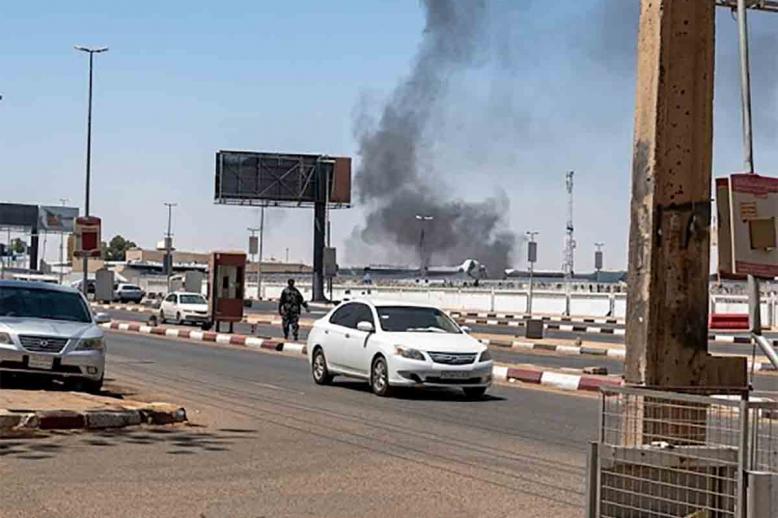
The gathering comes at an exceptionally sensitive and complex moment for Sudan’s crisis, which has entered its fourth year with no clear end in sight. Participants in the Nairobi meetings are seeking to formulate a unified national vision capable of transcending traditional political alignments and laying the foundations for a new phase that could help end the prolonged conflict.
The two-day meetings, scheduled for May 22-23, bring together the signatories of the Sudanese Declaration of Principles for Building a New Homeland, a framework signed in Nairobi in December 2025 and described by Sudanese media at the time as the first major convergence of most anti-war political and civilian forces.
The declaration stressed that “there is no military solution in Sudan” and called for sustained pressure on the Sudanese Armed Forces (SAF), the Rapid Support Forces (RSF), and their allies to commit to a peace roadmap proposed under international mediation efforts.
Participants hope the Nairobi platform can help break the prevailing political deadlock by identifying common ground to halt the war and restore a civilian democratic process after years of fragmentation and instability.
The meetings carry exceptional political weight because of the diversity of the participating delegations. Observers say the convergence between civilian elites and armed groups represents a significant step toward bridging the long-standing divide between the political and military tracks, a structural obstacle that has long complicated Sudan’s political landscape and undermined stability.
Through the Nairobi forum, the signatory forces are attempting to present a comprehensive political alternative based on equal citizenship, transitional justice and rebuilding state institutions on democratic foundations capable of ensuring long-term stability.
The ambitions of the talks extend beyond reaching temporary ceasefire arrangements. Discussions are expected to address the deeper roots of Sudan’s crisis, including uneven development, the distribution of wealth and power, and the creation of a unified professional national army.
Mohamed Abdel Rahman, spokesperson for the Sudan Liberation Movement led by Abdul Wahid al-Nur, said deliberations would focus heavily on the current political realities, the ongoing war and mechanisms to develop and expand the declaration’s principles.
“Our goal is to unify the widest possible spectrum of civilian forces to stop the war,” Abdel Rahman told Sudan Tribune, adding that the platform would exclude the National Congress Party, the Islamic Movement and groups rejecting peaceful solutions.
Kenya’s role as host reflects Nairobi’s continuing position as a key regional platform for mediation and dialogue among Sudanese factions, a role supported by regional and international actors seeking to halt Sudan’s humanitarian and political collapse and prevent wider regional instability.
Analysts say Kenya’s sponsorship provides the initiative with important African diplomatic backing, potentially increasing the chances that any outcomes could gain wider support within the African Union and international organisations.
The success of the meetings is expected to depend largely on whether participants can translate the slogan of “building a new homeland” into a practical and implementable roadmap, while overcoming procedural obstacles and narrow political calculations in favour of consensus on core national issues.
Observers note that the biggest challenge facing participants goes beyond drafting declarations and agreements. It lies in their ability to build broader public and political support around any outcomes, particularly amid the severe military realities on the ground and the continuation of fighting across several regions.
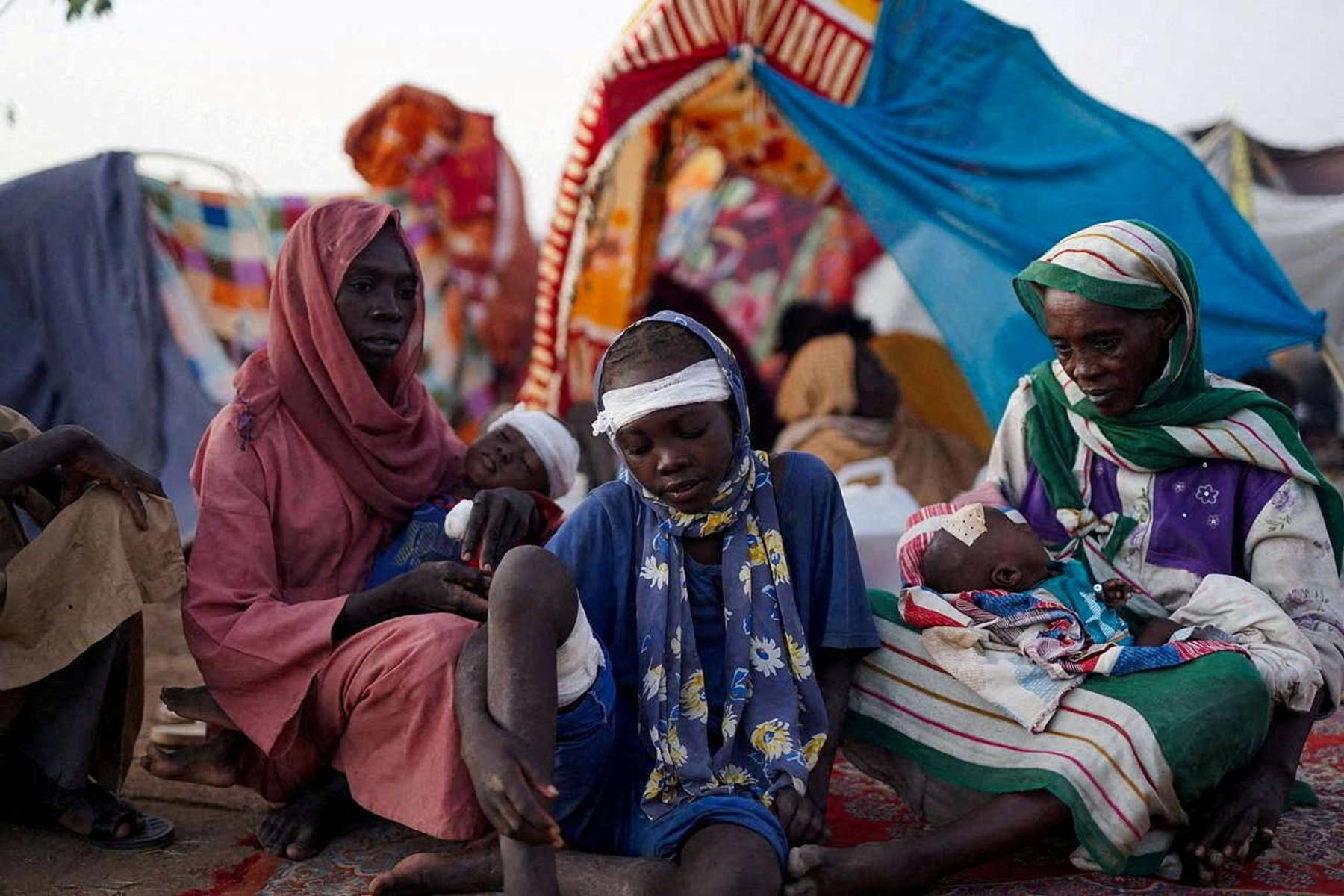
Sudanese civilians, exhausted by displacement, economic collapse and worsening humanitarian conditions, are watching the Nairobi talks with cautious hope and are looking for tangible results that could improve daily security and living conditions.
Participants are therefore expected to focus on developing effective mechanisms for communication with Sudanese communities inside the country, including youth groups, civil society actors and local stakeholders, in order to strengthen the credibility and resilience of the proposed political front.
The diverse composition of the Nairobi meetings also presents a serious test of cohesion among the civilian and armed factions that signed the declaration of principles. Previous divisions and differing visions between traditional political parties and armed groups that fought wars in Sudan’s peripheries for decades will require considerable political flexibility and mutual concessions.
Many participants appear increasingly convinced that past political failures and attempts to monopolise power pushed Sudan to the brink of collapse, reinforcing the need for an inclusive political process that excludes no national component committed to peaceful democratic transformation.
The meetings, held with such broad representation on a prominent regional platform, also send a strong message to the international community and to both sides of the conflict — the army and the RSF, that a comprehensive political settlement based on partnership remains the only realistic path to rescuing Sudan from fragmentation.
Observers say the Nairobi forum’s outcomes could eventually form the nucleus of a broader political process backed by the United Nations and the African Union, placing participants under historic pressure to formulate an inclusive national project capable of moving Sudan from chronic conflict toward stability.