

A layered history
Syria reclaims place on Islamic heritage map with new ICESCO listings
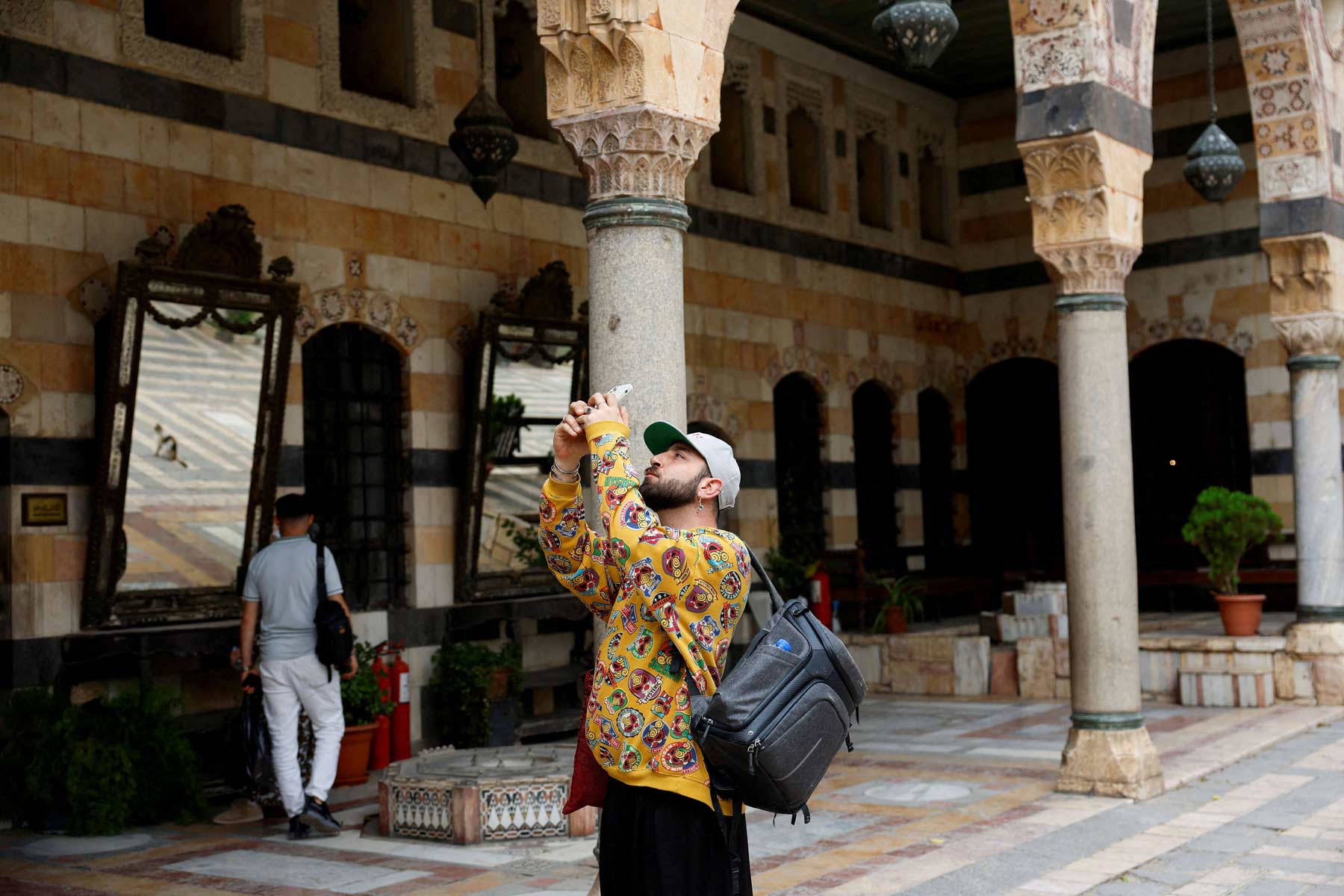
Among the sites added to the ICESCO heritage register are the famed Umayyad Mosque, the historic Al-Azm Palace and the ancient Citadel of Damascus.
Monday 25/05/2026
A layered history
DAMASCUS – Syria has secured a major cultural milestone after nine of its historic landmarks were added to the heritage list of the Islamic World Educational, Scientific and Cultural Organization, marking the country’s return to the international registry after a 14-year absence.
The announcement by Syria’s General Directorate of Antiquities and Museums was hailed by officials and cultural figures as an important step towards reviving global recognition of the country’s rich civilisational legacy after years of war and destruction.
The newly recognised sites span some of Syria’s most historically significant cities and regions, reflecting centuries of Islamic, Roman, Byzantine and Arab heritage woven into the country’s cultural landscape.
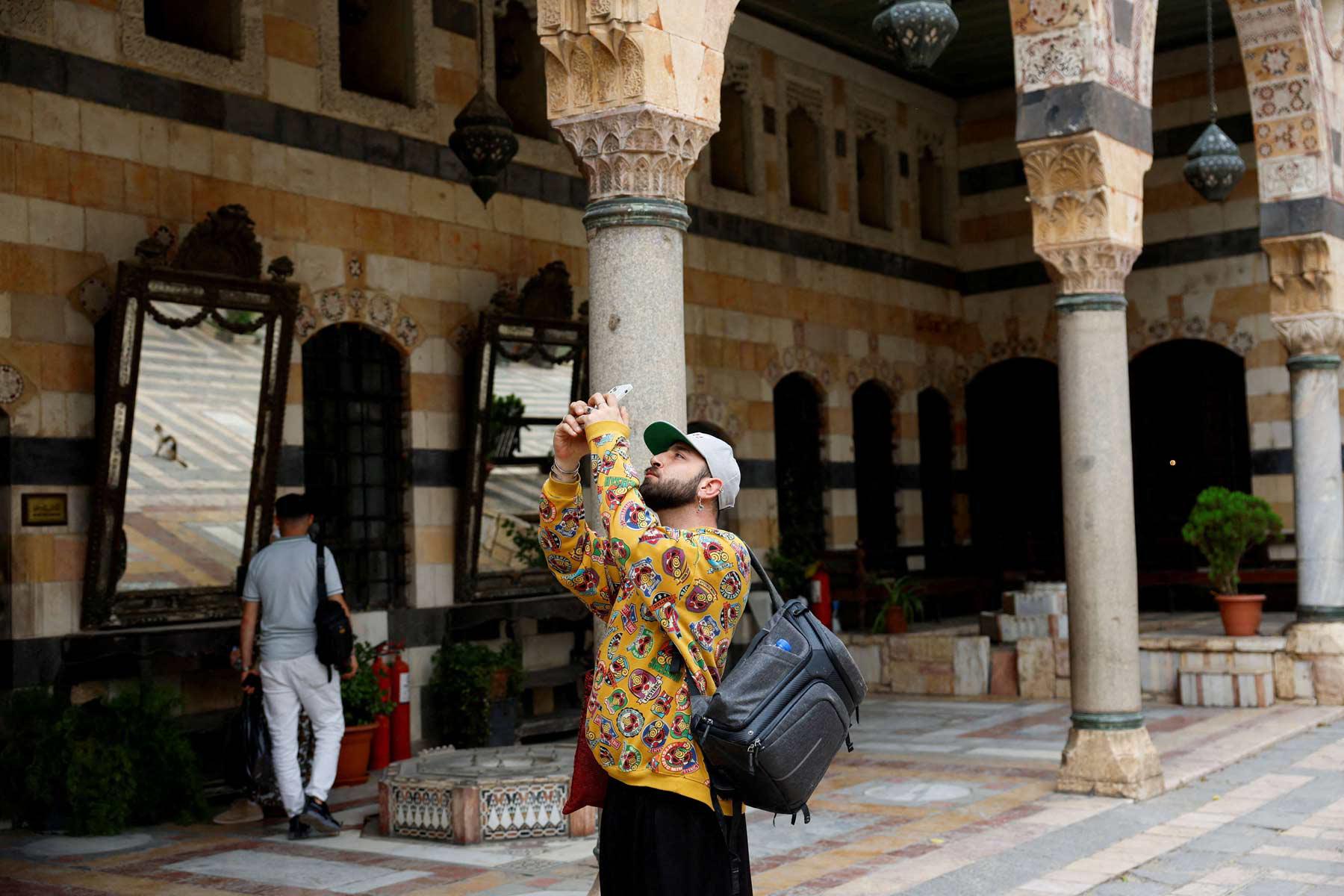
Among the sites added to the ICESCO heritage register are the famed Umayyad Mosque, one of the oldest and most revered mosques in the Islamic world, the historic Al-Azm Palace and the ancient Citadel of Damascus.
The list also includes the Citadel of Salah Ed-Din on Syria’s Mediterranean coast, the archaeological site of Apamea, the Al-Omari Mosque, the historic Waqf Library in Aleppo and the volcanic archaeological region of Al-Lajat in southern Syria.
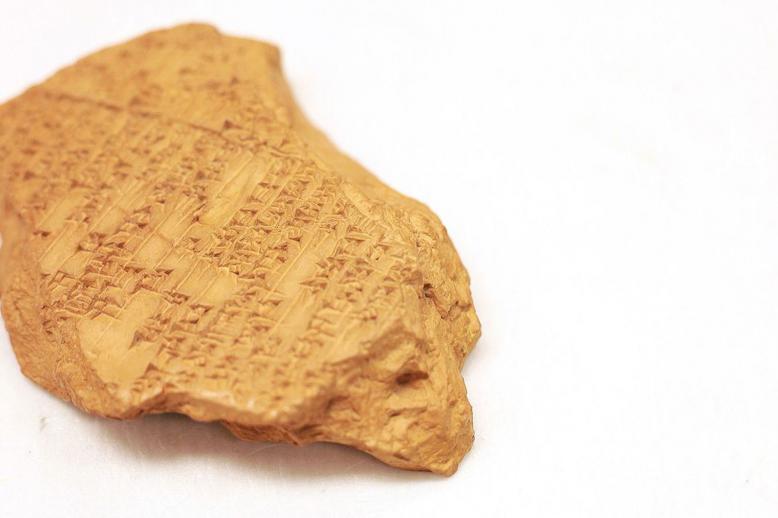
Syrian authorities described the sites as “living witnesses” to the country’s layered history and enduring cultural identity.
The Directorate of Antiquities and Museums said the recognition reflects national efforts to preserve Syria’s heritage and deepen cooperation with international cultural institutions amid continuing challenges facing archaeological conservation.
The move is expected to strengthen international awareness of Syrian heritage sites, many of which suffered damage, neglect or looting during more than a decade of conflict.
Officials said the inclusion on the ICESCO registry would help restore Syria’s cultural visibility on the global stage and reinforce the importance of protecting monuments that form part of the wider historical memory of the Middle East and the Islamic world.
The recognition also carries symbolic significance for Syria, whose archaeological wealth has long placed it among the world’s most historically important countries.
Syria already hosts six UNESCO World Heritage Sites, including the ancient cities of Ancient City of Damascus and Ancient City of Aleppo, the Roman ruins of Palmyra, and the medieval fortress of Crac des Chevaliers.
Cultural experts say the latest ICESCO listings could pave the way for broader restoration initiatives and renewed tourism interest in Syria’s historic sites, many of which remain symbols of resilience despite years of war.
Founded in 1982 and headquartered in Rabat, ICESCO operates under the umbrella of the Organisation of Islamic Cooperation and focuses on promoting education, science and cultural preservation across the Islamic world.
For Syria, the new recognition represents more than a cultural accolade; it is also a signal of the country’s determination to reclaim and preserve a heritage that stretches back thousands of years.