


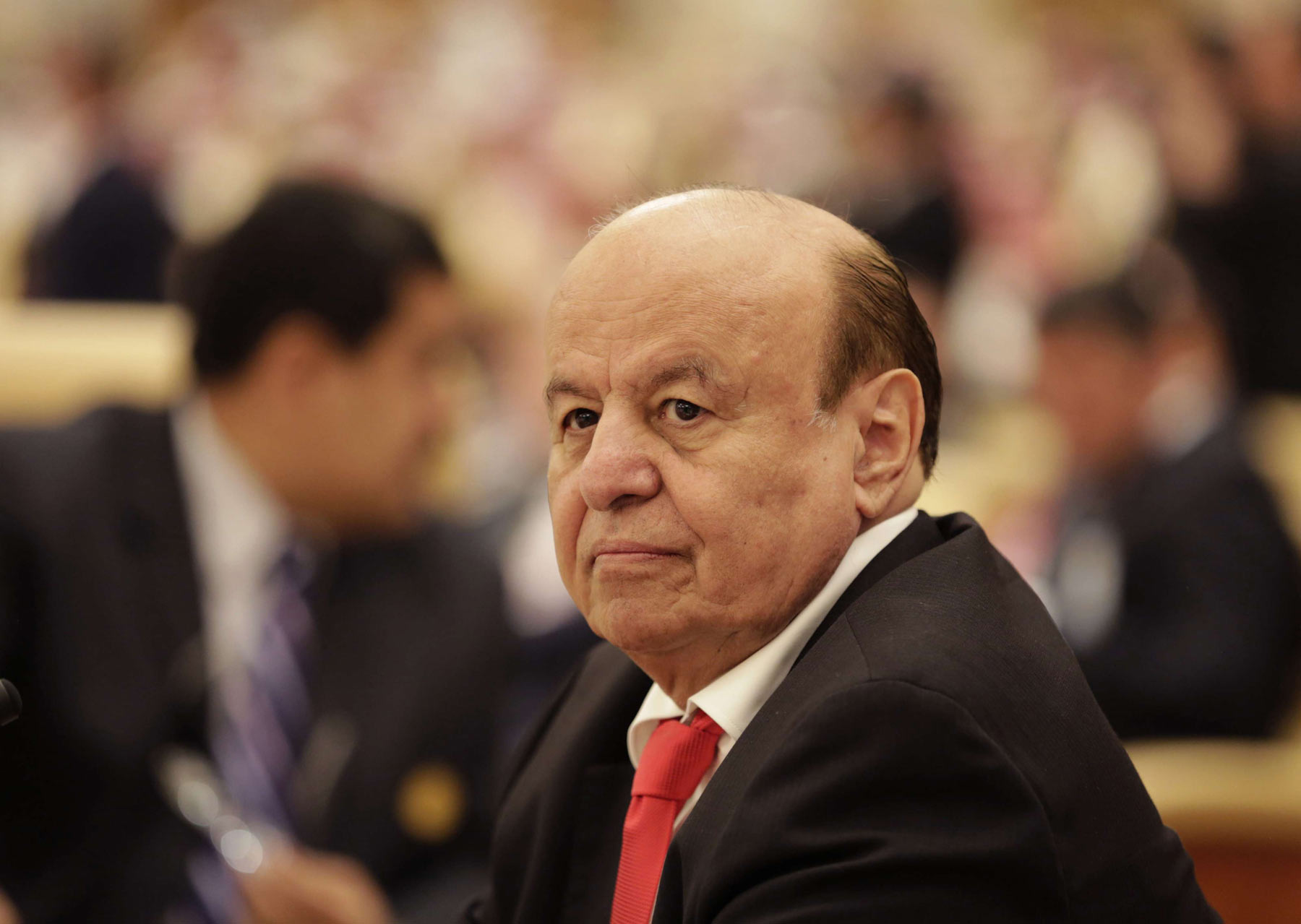
Alongside his political and military career, Hadi also authored several books
Former Yemeni president Hadi dies in Riyadh, closing chapter on turbulent era
Although Hadi remained recognised as Yemen’s president for years while living in exile in Riyadh, critics accused his administration of failing to prevent the collapse of state institutions.
Thursday 28/05/2026
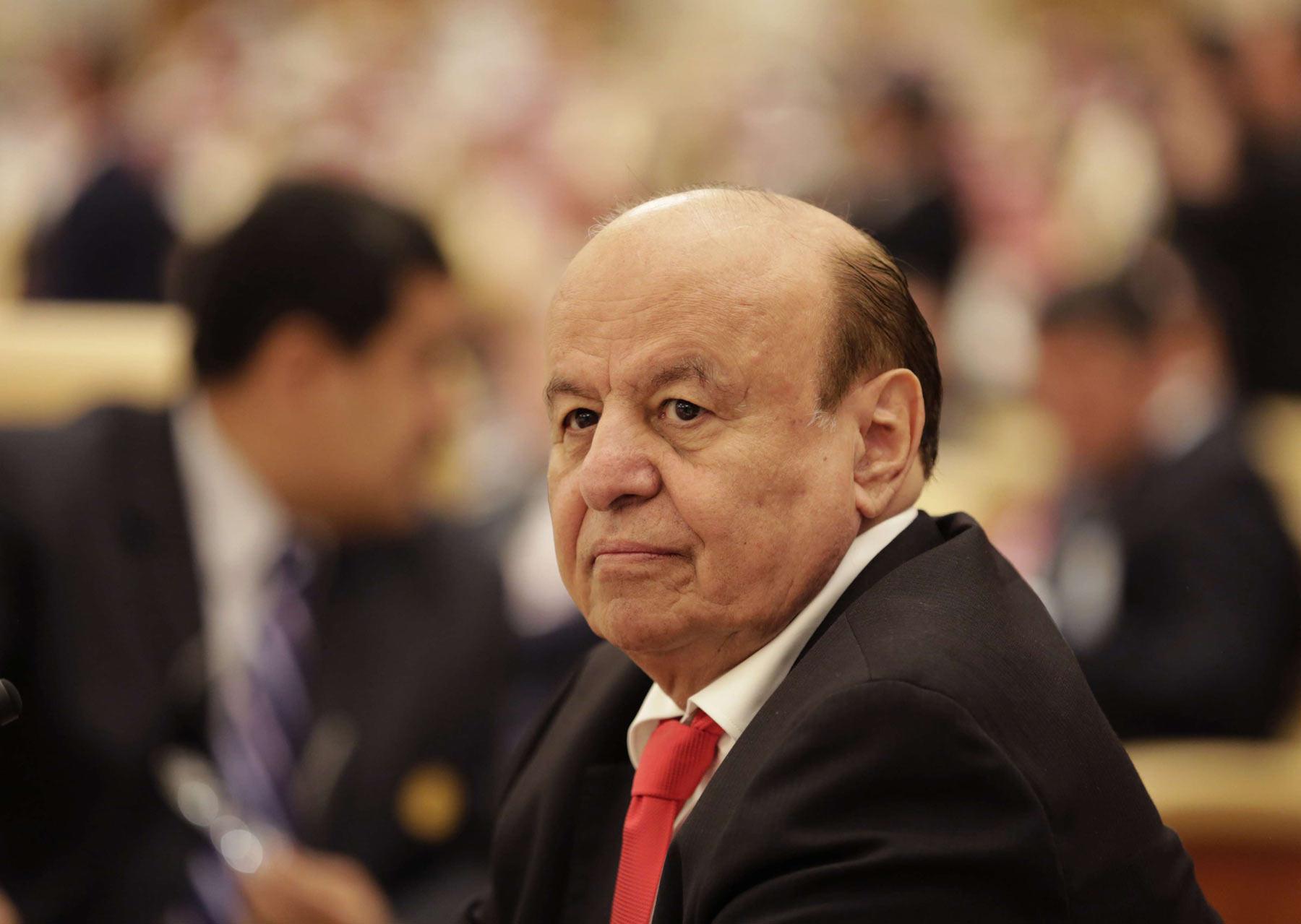
Alongside his political and military career, Hadi also authored several books
RIYADH – Former Yemeni president Abd Rabbo Mansour Hadi has died in the Saudi capital Riyadh after a period of ill health, bringing to a close a turbulent political career that spanned some of the most dramatic chapters in modern Yemeni history.
A Yemeni government source confirmed on Thursday that Hadi died at his residence in Riyadh following a deterioration in his health over recent weeks. Yemeni media reported that he had suffered from heart problems for years and regularly travelled quietly to the United States for medical examinations and treatment at a hospital in Cleveland.
According to reports, his condition worsened sharply over the past week before he died early on Thursday morning at the age of about 80. The source said funeral prayers and burial arrangements were scheduled to take place in Riyadh on Friday.
Hadi’s death marks the end of an era defined by political upheaval, civil war and the collapse of Yemen’s fragile transition process following the Arab Spring uprisings.
A career military officer, Hadi emerged as one of Yemen’s most prominent political figures after decades spent in senior military and government positions. Born in 1945 in southern Yemen, he joined the military at a young age and later received training in Britain and Egypt before rising through the ranks.
He allied himself with long-time president Ali Abdullah Saleh before the unification of North and South Yemen in 1990 and went on to serve as defence minister during the 1994 civil war, when Saleh crushed an attempted southern secession.
Hadi later became vice president in 1994 and remained in the role for nearly two decades, largely staying out of the political spotlight until Yemen was swept by nationwide protests during the 2011 Arab Spring.
Following months of unrest and mounting international pressure, Saleh agreed to step down under a Gulf-backed transition plan after more than three decades in power. Hadi assumed the presidency on an interim basis before being elected in 2012 as the sole consensus candidate tasked with leading a transitional period intended to stabilise the country and oversee the drafting of a new constitution.
His presidency, however, quickly became engulfed by deepening political and security crises.
The Iran-aligned Houthi movement seized the capital Sanaa in 2014 after advancing from northern Yemen, placing Hadi under house arrest the following year. He later escaped to the southern city of Aden before fleeing to Saudi Arabia as the conflict escalated into a devastating regional war involving a Saudi-led coalition.
The war transformed Yemen into one of the world’s worst humanitarian crises, leaving hundreds of thousands dead or displaced and dividing the country between the Houthi-controlled north and a fractured anti-Houthi camp in the south.
Although Hadi remained internationally recognised as Yemen’s president for years while living in exile in Riyadh, critics accused his administration of failing to prevent the collapse of state institutions and the slide into prolonged conflict.
In April 2022, amid international efforts to revive peace negotiations and reorganise anti-Houthi forces, Hadi transferred his presidential powers to an eight-member Presidential Leadership Council headed by Rashad al-Alimi.
The move, reportedly backed by Saudi Arabia and other regional allies, was seen as an attempt to unify Yemen’s divided anti-Houthi factions and relaunch diplomatic efforts to end the war.
Despite intermittent ceasefires and negotiations, Yemen remains deeply divided and mired in economic collapse, insecurity and humanitarian suffering more than a decade after the conflict erupted.
Hadi is survived by his wife and children. Alongside his political and military career, he also authored several books, including studies on military strategy and mountain warfare.