

Polisario fears that any gradual adjustment in Algerian priorities could exacerbate its isolation
Polisario apprehensive over shift in Algeria stance on Sahara issue
Algeria’s welcoming of the negotiation track reflects a growing realization of the difficulty of maintaining previous approaches in light of expanding international support for the Moroccan solution.
Saturday 30/05/2026
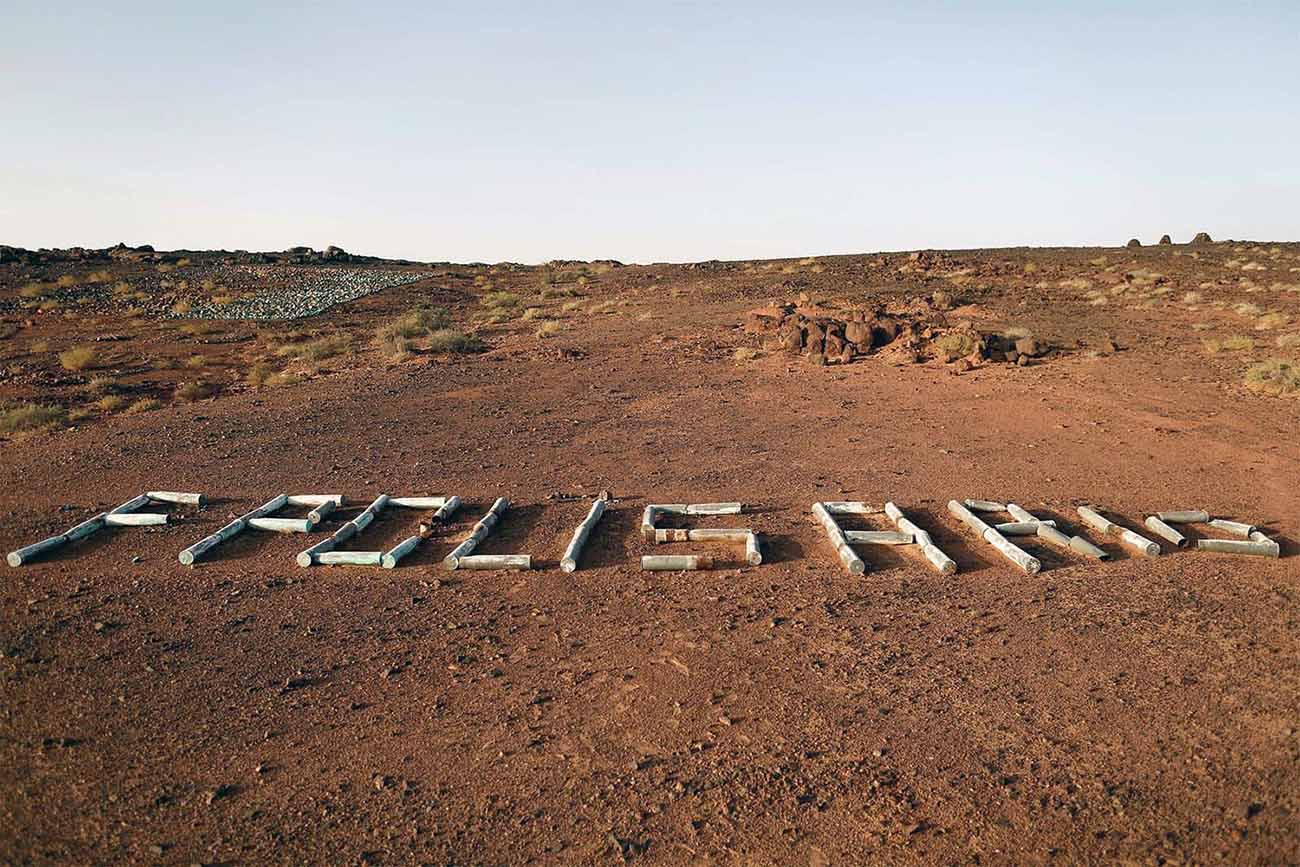
Polisario fears that any gradual adjustment in Algerian priorities could exacerbate its isolation
ALGIERS — Statements by Algerian Foreign Minister Ahmed Attaf, in which he affirmed his country's welcoming of negotiations over the Western Sahara file, have unsettled the Polisario Front.
The separatist group is increasingly apprehensive about the beginning of a shift in Algeria’s traditional approach to the dispute. These fears have prompted Algiers to move quickly to reaffirm its positions, in a step interpreted as an attempt to reassure the separatist front.
The controversy sparked by Attaf’s speech on the occasion of "Africa Day" late last week was not merely a passing debate over diplomatic phrasing. Instead, it has transformed into an indicator of the deep sensitivity surrounding the Western Sahara file within the Polisario in light of rapid regional and international shifts—most notably, the transition of Morocco's autonomy proposal under Moroccan sovereignty into the sole basis for ending the conflict.
While Attaf maintained the traditional Algerian position supporting what Algiers terms "the right to self-determination" during his speech, the heavy emphasis on the importance of the negotiation process and the necessity of engaging in it raised alarms within the Polisario. The front is concerned about the nature of the upcoming phase, and whether Algeria has begun preparing to adapt to a new international balance of power characterized by the continuous growth of global backing for the Moroccan autonomy initiative.
A number of activists affiliated with the Polisario and from within its supportive base took to social media to express surprise at the core of the Algerian address, viewing it as carrying unfamiliar political signals compared to past stances.
In a clear attempt to contain these reactions, Algeria rushed to utilize the meetings of the UN Special Committee on Decolonization (C-24) to deliver direct messages of reassurance. During the committee's recent session in Nicaragua, Algeria’s Deputy Permanent Representative to the United Nations, Toufiq Kadri, stressed the constancy of his country's position, while criticizing what he described as "erroneous interpretations" of Attaf's statements.
The timing of this clarification did not appear coincidental; it came just days after the rising debate within pro-Polisario circles, suggesting that Algiers was anxious to prevent those concerns from devolving into a crisis of confidence between the two sides.
Observers note that the mere need to issue additional clarifications reflects a state of anxiety within the separatist front regarding the future of the Algerian position—especially since the Polisario has built a vast portion of its political and diplomatic strategy on the unconditional support provided by Algeria for decades.
These apprehensions are amplified by the transformations the file is undergoing on the international stage. Since the adoption of UN Resolution 2797, the issue has entered a different phase defined by a push toward a realistic, practical, and mutually agreed-upon political solution—a development that aligns closely with the autonomy initiative as the fundamental basis for settling the dispute.
Furthermore, the return to the consultation table under UN auspices and with direct US backing has created a new reality. This forces the various parties to recalculate their political positions, including Algeria, which finds itself challenged to reconcile its traditional rhetoric with the requirements of engaging with fluid international dynamics.
In this context, some analysts interpret Algeria's welcoming of the negotiation process as an expression of a growing realization that it is difficult to maintain previous approaches given the expanding international support for practical political solutions, rather than a definitive abandonment of its declared principles.
However, this interpretation does not appear entirely reassuring to the Polisario. The group fears that any gradual adjustment in Algerian priorities could exacerbate its isolation and lead to the further erosion of its separatist narrative, particularly at a time of mounting international pressure to push for a final settlement of the conflict.
This development also reflects deeper anxieties that ongoing geopolitical shifts may have begun forcing a greater degree of pragmatism onto Algeria in its handling of the file, which could ultimately restrict the margin of maneuver that the front has traditionally enjoyed.