



Substantial differences remain, particularly over the future of Hamas's armed wing
Palestinian factions float new Gaza arms formula amid ceasefire deadlock
Previous proposals floated by Hamas, including suggestions by former Hamas leader Khaled Meshaal to freeze or store weapons, were rejected by Israel.
Wednesday 10/06/2026
Substantial differences remain, particularly over the future of Hamas's armed wing
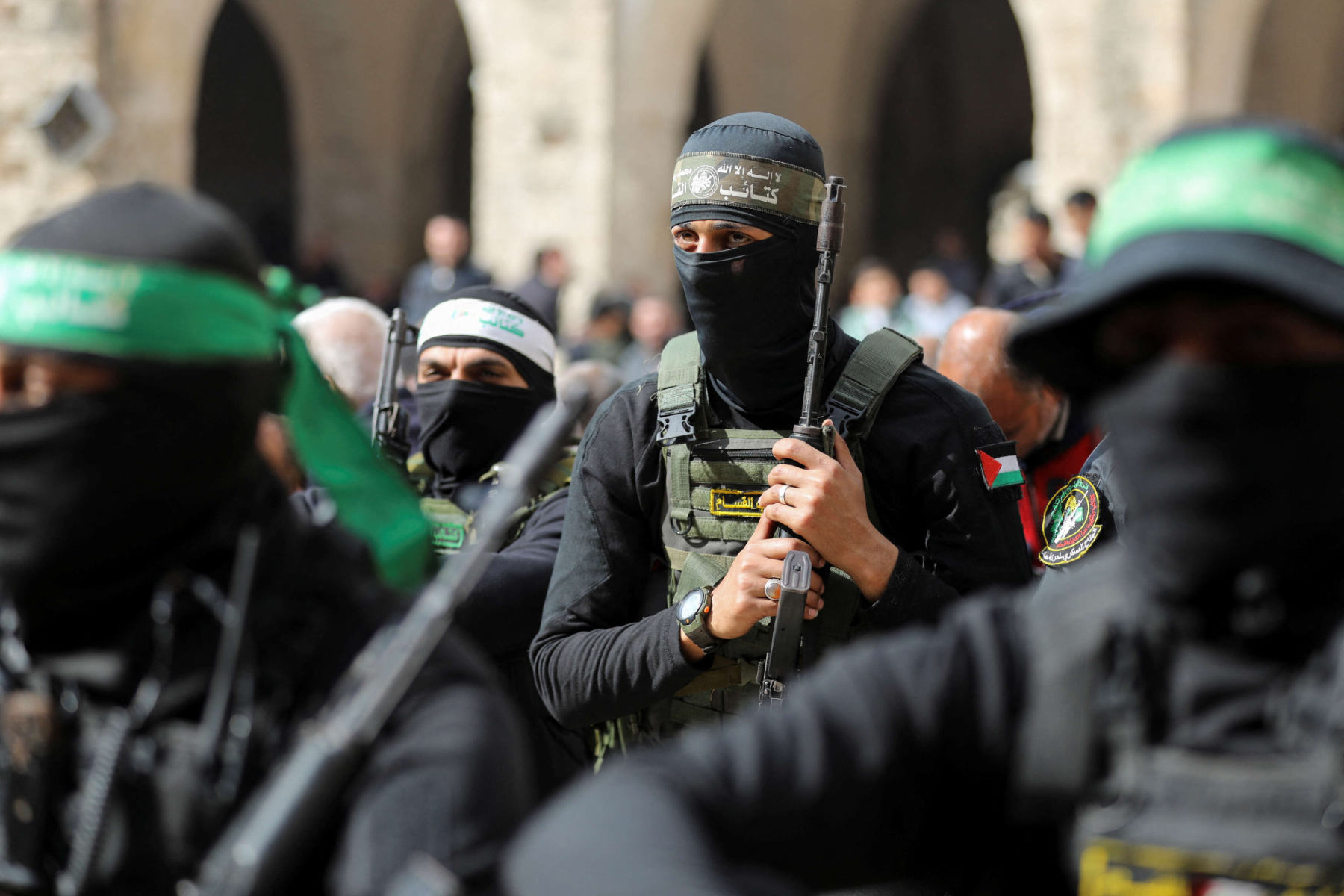
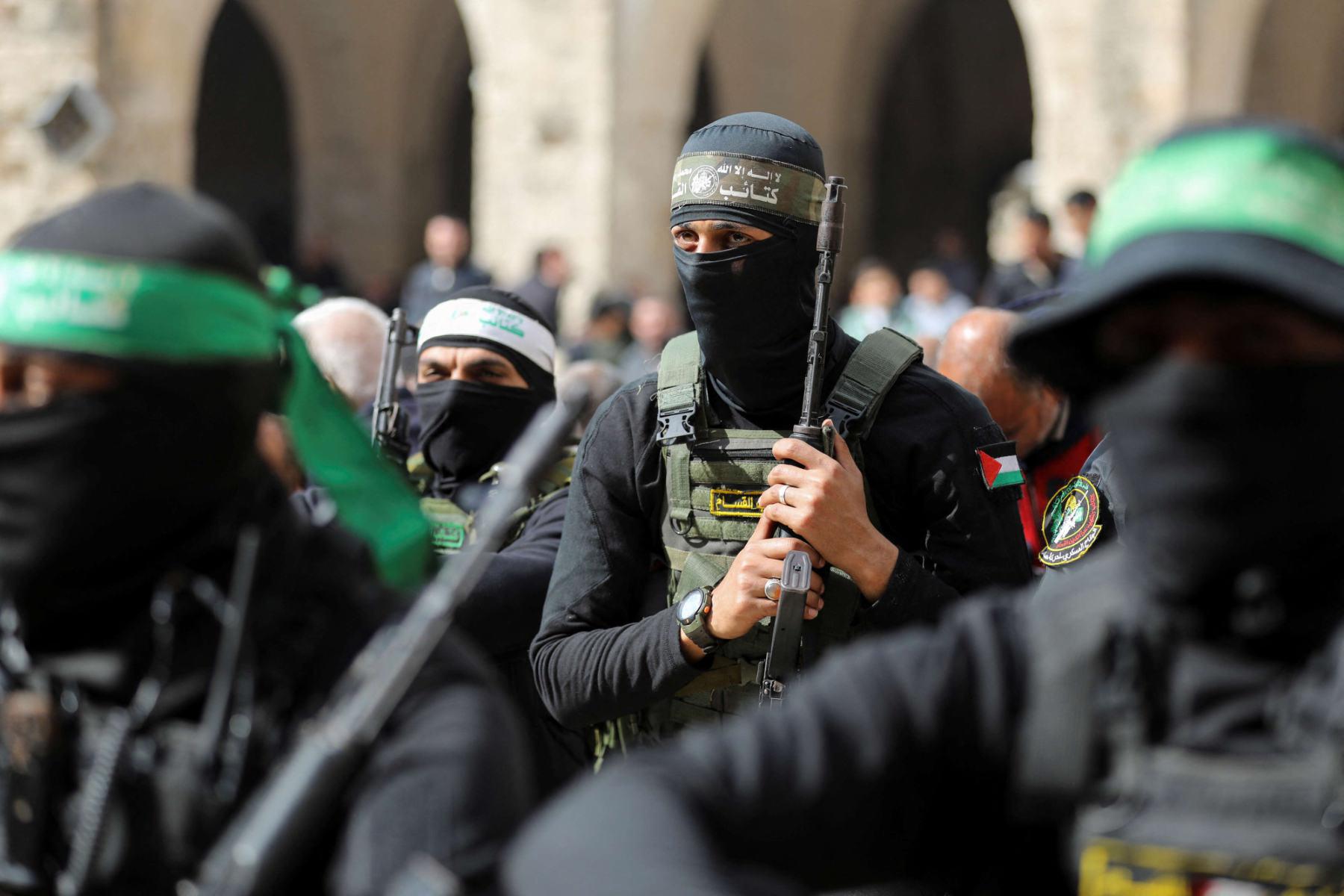
CAIRO – Palestinian factions led by Hamas have agreed in principle to transfer part of their weapons stockpiles to a future Palestinian governing authority as mediators intensify efforts to break the long-running deadlock over Gaza's future and advance the next stage of the post-war settlement.
The proposal emerged during four days of talks in Cairo involving Hamas, Palestinian Islamic Jihad and other factions, with mediation by Egypt, Qatar and Turkey. Fatah, the dominant faction within the Palestinian Authority, has not participated in the negotiations.
Senior Hamas official Taher Al Nunu said "significant progress" had been achieved, adding that the factions had prepared a unified response to a roadmap aimed at advancing the next phase of US President Donald Trump's Gaza peace plan.
Palestinian sources said the proposal centres on placing weapons under the authority of a single Palestinian body yet to be agreed upon by all parties, while linking the move to a gradual Israeli withdrawal that would ultimately lead to a complete pull-out from Gaza.
The proposal falls well short of Israel's long-standing demand for the complete demilitarisation of Gaza and the full disarmament of Hamas.
According to participants in the talks, the factions rejected calls for unconditional disarmament and instead endorsed a formula under which weapons would be transferred to a future Palestinian governing structure representing different political currents.
"Hamas is linking the weapons question to a full Israeli withdrawal from Gaza and to Gaza's reconstruction," one Palestinian political official said.
Another participant said Egyptian and Qatari mediators had welcomed the approach and were working to formulate a compromise acceptable to all sides.
The issue of weapons remains one of the most contentious obstacles to implementing the second phase of Trump's peace framework, which was endorsed by the United Nations and led to a ceasefire after two years of devastating war.
Under the plan, the first phase included prisoner and hostage exchanges, a halt in major military operations, Israeli withdrawals from populated areas and expanded humanitarian assistance.
The second phase envisages the transfer of Gaza's administration to a Palestinian national committee operating under international supervision, alongside reconstruction efforts and further Israeli withdrawals.
Israeli officials, however, continue to insist that Hamas must completely disarm before meaningful political progress can occur.
Previous proposals floated by Hamas, including suggestions by former Hamas leader Khaled Meshaal to freeze or store weapons, were rejected by Israel.
Sources familiar with the negotiations said the factions' latest proposal also includes international guarantees designed to ensure implementation of any agreement, maintain stability and prevent a return to conflict.
Despite the ceasefire that came into effect in October 2025, violence has continued. Israeli strikes are still being carried out almost daily across Gaza, while both Israel and Hamas routinely accuse each other of violating the truce.
Hamas has repeatedly accused Israel of failing to honour commitments related to humanitarian assistance and reconstruction, while Israel maintains that Hamas's military capabilities remain the central obstacle to moving forward.
Several Palestinian officials expressed cautious optimism that the Cairo discussions could provide a basis for renewed negotiations. However, many acknowledged that substantial differences remain, particularly over the future of Hamas's armed wing and the identity of the Palestinian authority that would ultimately oversee Gaza.
The latest discussions highlight an emerging willingness among Palestinian factions to consider new security arrangements, but they also underscore the enduring gap between Palestinian proposals and Israel's demands for complete demilitarisation.
Whether the Cairo initiative can bridge that divide may determine the fate of the next phase of the Gaza peace process.