

More than a routine legislative election
Algeria election pits reform narrative against economic pressures
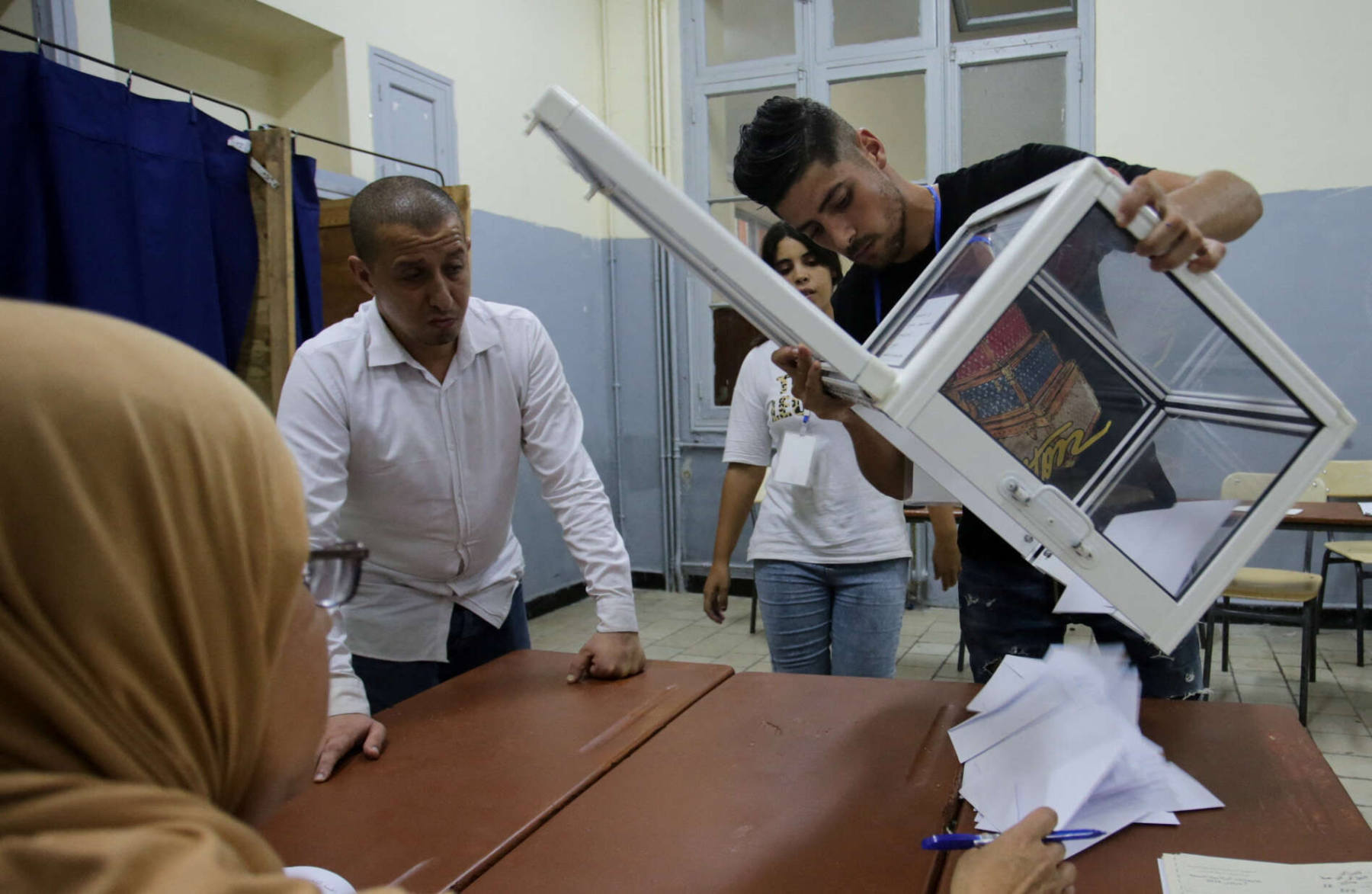
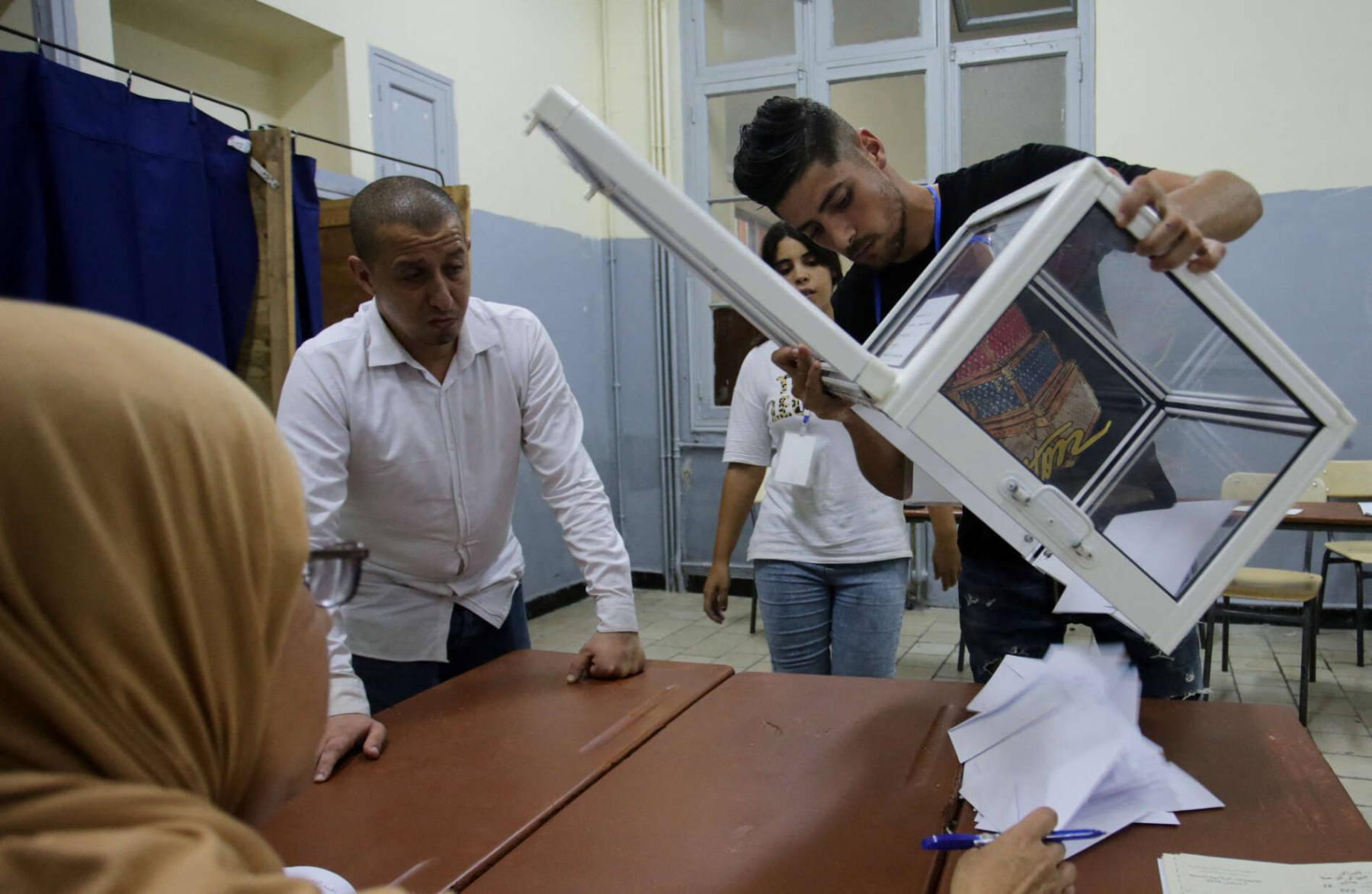
Following an extensive screening process, around 7,000 candidates were approved to compete for 407 seats in the National People's Assembly.
Wednesday 10/06/2026
More than a routine legislative election
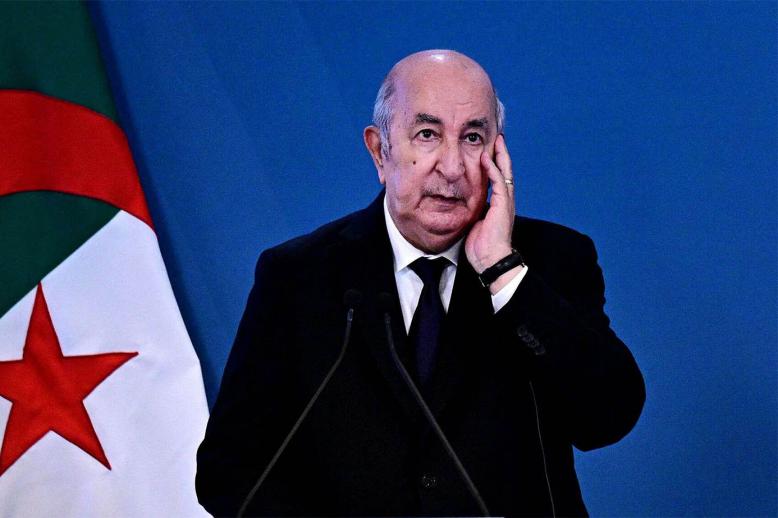
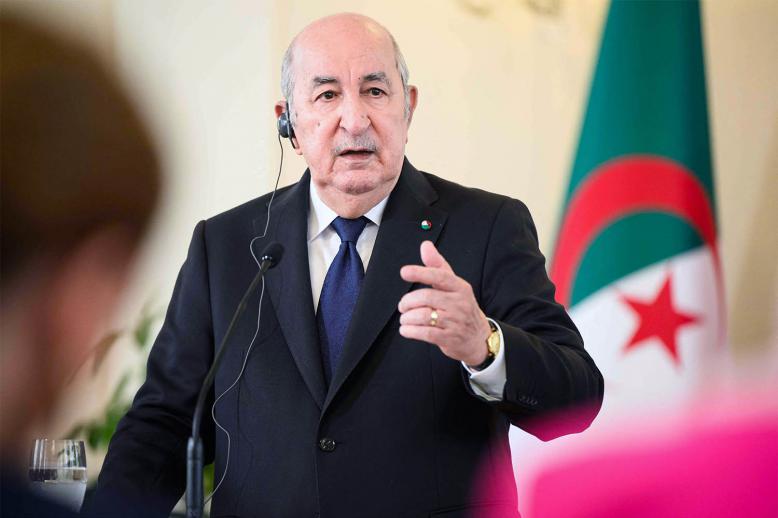
ALGIERS – As campaigning begins for Algeria's parliamentary elections on July 2, the vote is increasingly being viewed as a referendum on President Abdelmadjid Tebboune's political reform agenda rather than a contest likely to reshape the country's power structure.
More than 10,000 candidates initially entered the race, making it one of the largest electoral exercises in Algeria's recent history. Following an extensive screening process, around 7,000 candidates were approved to compete for 407 seats in the National People's Assembly.
While the authorities present the elections as part of a broader effort to strengthen transparency and curb the influence of political money, analysts say the contest will also serve as a measure of public confidence in the political system that emerged after the 2019 Hirak protest movement.
Seven years after the demonstrations that toppled the political order associated with former president Abdelaziz Bouteflika, Algeria's leadership has largely restored centralised control.
Recent constitutional and electoral reforms have strengthened presidential authority while reshaping the institutional framework governing elections.
Anti-corruption drive takes centre stage
The authorities have made the separation of money and politics one of the defining themes of the election.
The exclusion of more than 3,000 prospective candidates under tighter legal scrutiny has become one of the most visible manifestations of that effort.
Particular attention has focused on Article 200 of the electoral law, which allows the rejection of candidates linked to suspicious financial networks or those deemed capable of influencing voter choice improperly.
Supporters argue the measure is essential to preventing a return to practices associated with corruption and influence-peddling, while critics question the scope of the discretionary powers involved and the interpretation of certain legal criteria.
The election authority maintains that the process is intended to ensure fairness and integrity and that judicial remedies remain available to excluded candidates.
Familiar political landscape
Despite the reforms, few observers expect major changes to Algeria's political balance.
The ruling establishment, centred on the National Liberation Front (FLN), the National Democratic Rally (RND) and pro-government independents, is expected to retain a dominant parliamentary position.
The FLN remains the country's most significant political force, drawing support from state institutions, rural communities and older voters. The RND continues to benefit from strong links to administrative and economic networks.
The Islamist Movement of Society for Peace (MSP) is expected to remain the largest organised opposition force, while the Front of Socialist Forces and the Rally for Culture and Democracy retain influence in parts of Kabylie and among secular constituencies.
Independent candidates could emerge as one of the election's biggest variables, with more than 130 independent lists seeking to capitalise on voter frustration with traditional parties.
Economic concerns outweigh ideology
For many voters, economic and social issues are expected to overshadow ideological debates.
Youth unemployment remains high, inflation continues to affect purchasing power and Algeria remains heavily dependent on hydrocarbon revenues despite efforts to diversify the economy.
Security concerns also remain prominent, including instability across the Sahel, migration pressures and tensions with neighbouring Morocco over Western Sahara.
These issues are likely to shape voter behaviour more than traditional political divides.
Regional and international dimensions
The election also carries significance beyond Algeria's borders.
Russia remains Algeria's principal defence partner and favours political continuity, while China has become a major economic actor through infrastructure and investment projects.
France retains economic influence despite strained political relations, while the United States continues to focus on security cooperation, counterterrorism and regional stability.
At the same time, Gulf states are expanding their economic footprint and political engagement in North Africa.
Analysts expect Algeria to maintain its long-standing strategy of balancing relations among competing international powers rather than aligning closely with any single bloc.
Legitimacy test
The most important question surrounding the election may not be who wins, but how many Algerians participate.
Many observers view voter turnout as the clearest indicator of public confidence in the post-Hirak political order.
A strong turnout would bolster Tebboune's argument that his reform programme has strengthened institutions and restored trust. A weak turnout could reinforce concerns about persistent political disengagement and scepticism towards formal politics.
For the authorities, therefore, the parliamentary vote represents more than a routine legislative election. It is a test of whether promises to reform political life, curb corruption and reduce the influence of money can be translated into durable institutional change.
The results will help determine not only the composition of the next parliament, but also the credibility of a reform project that has become central to Algeria's political trajectory since 2019.