

Russia's Syria pivot begins
Russia signals military base overhaul as new Syria relationship takes shape
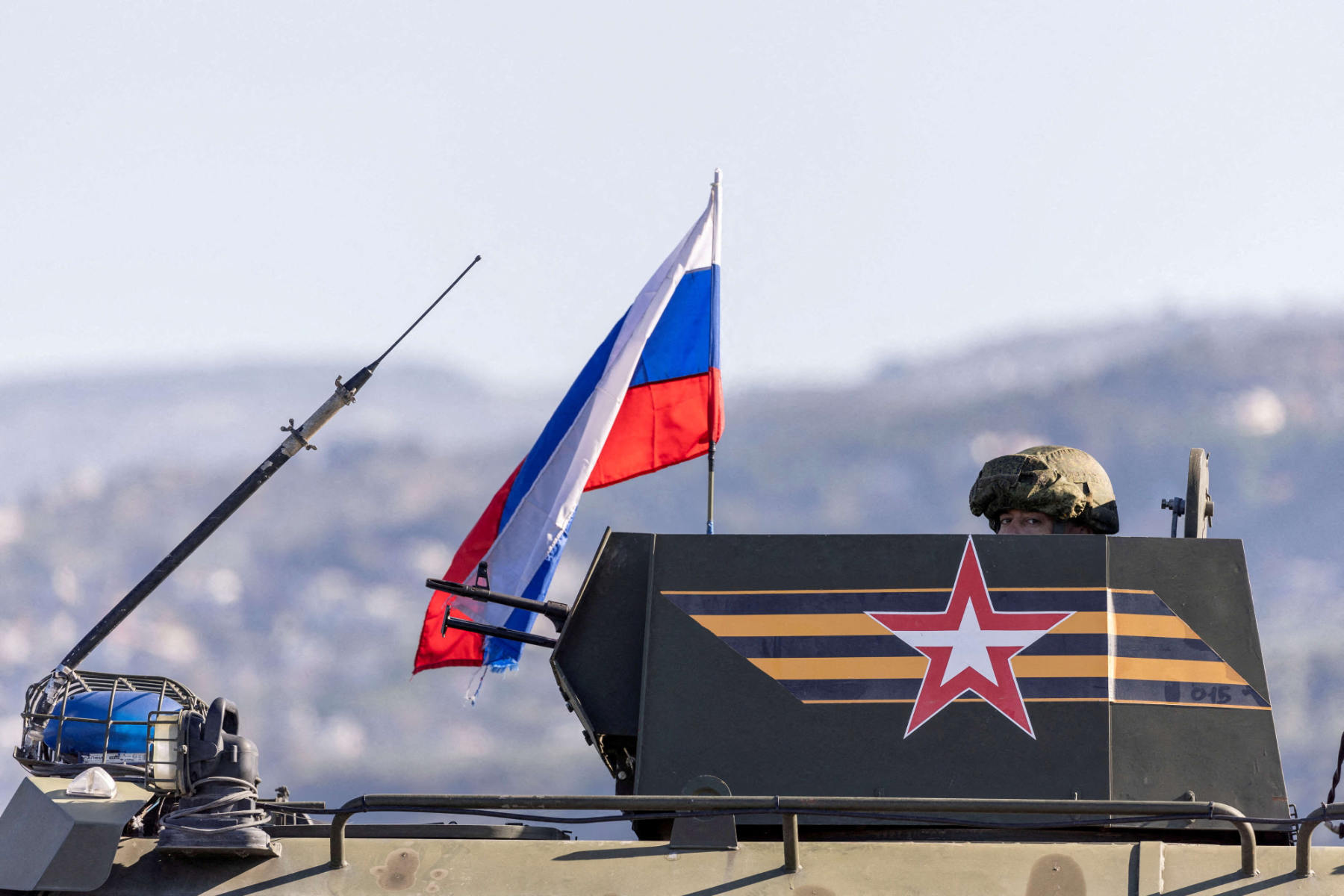
The naval facility at Tartus is Russia's only permanent repair, supply and logistics hub in the Mediterranean, providing support for naval deployments across the region.
Wednesday 10/06/2026
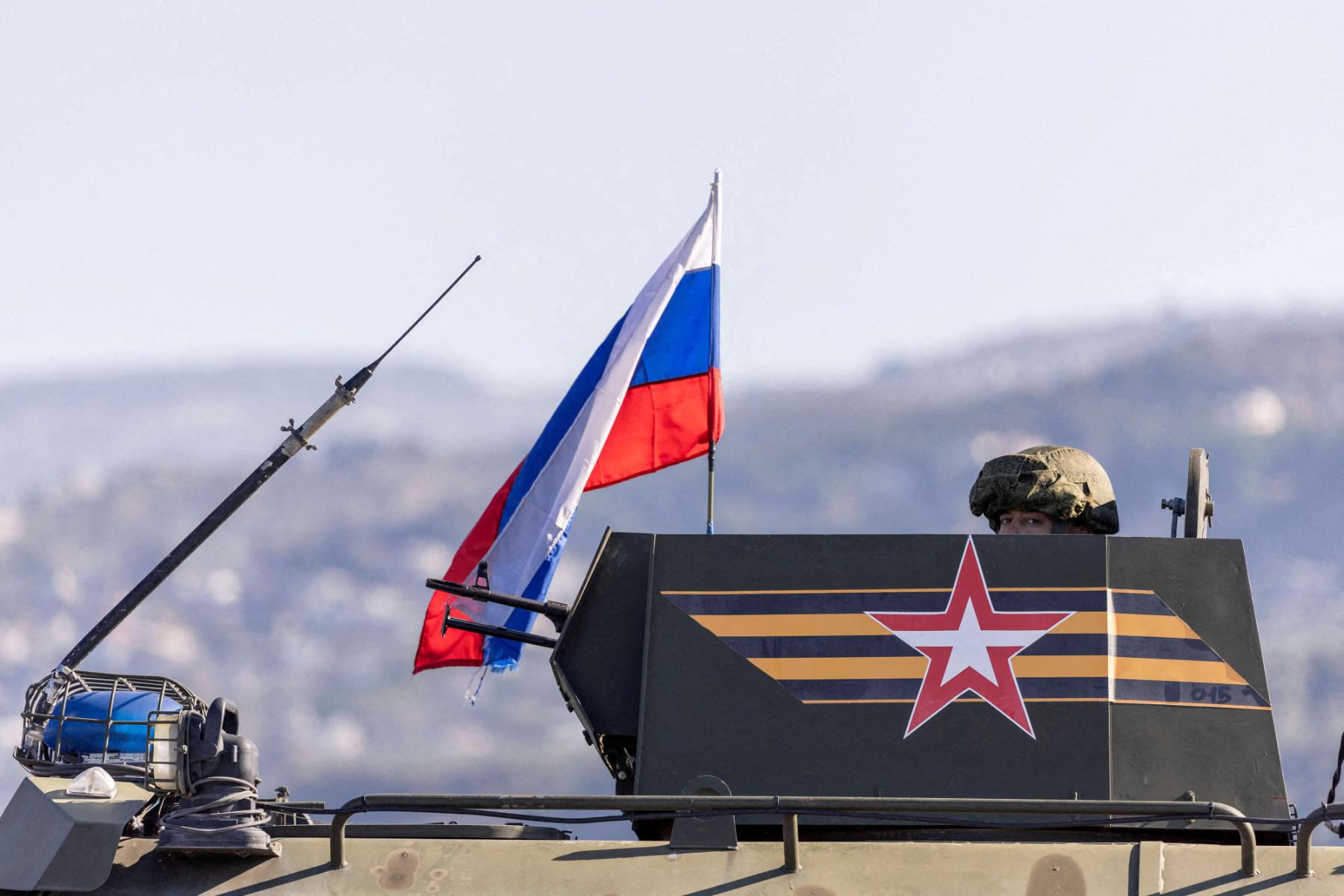
Russia's Syria pivot begins
MOSCOW/DAMASCUS – Russia and Syria are discussing a possible overhaul of Moscow's military facilities in the country, signalling that the Kremlin is seeking to preserve its strategic foothold in the Middle East despite the political upheaval that followed the fall of former Syrian president Bashar al-Assad.
Russia's Foreign Ministry said on Wednesday that cooperation with Damascus was developing "very actively", including talks on the future role of Russian military installations at the centre of Moscow's presence in the region.
"Within the framework of contacts with Syrian partners, the issue of the Russian military presence in Syria is also being considered, including in the context of a possible reform of the functionality of Russian military facilities," Foreign Ministry spokeswoman Maria Zakharova said.
Her comments represent one of the clearest public acknowledgements that Russia and Syria are negotiating the future of Moscow's military footprint following Assad's removal from power in December 2024.
The change in leadership initially cast doubt over the fate of Russia's two most important military assets in Syria: the naval facility in Tartus and the Hmeimim air base near Latakia.
Assad had been one of Moscow's closest allies in the Arab world, and Russia's military intervention in 2015 played a decisive role in helping his government survive the civil war.
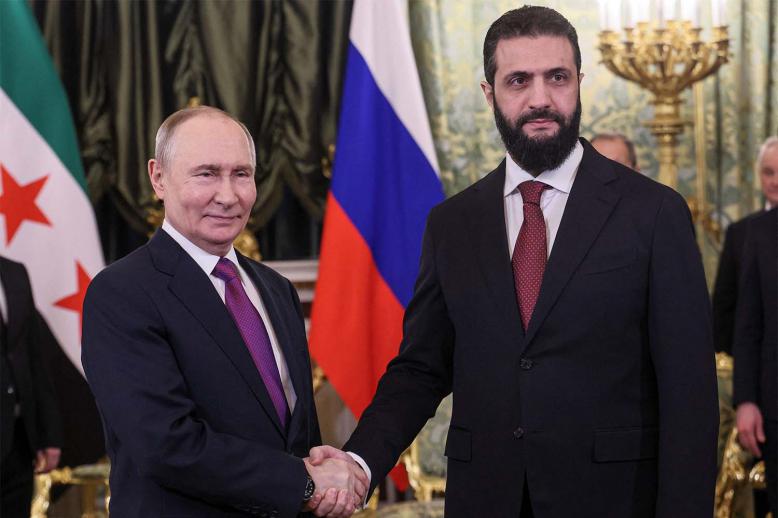
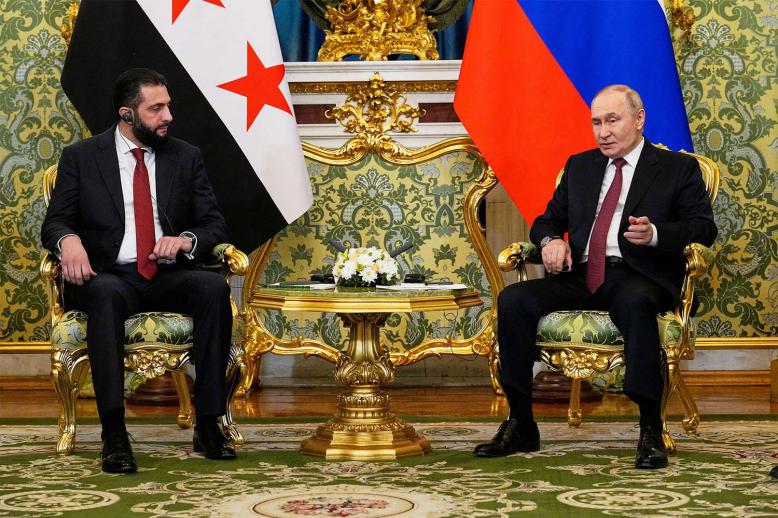
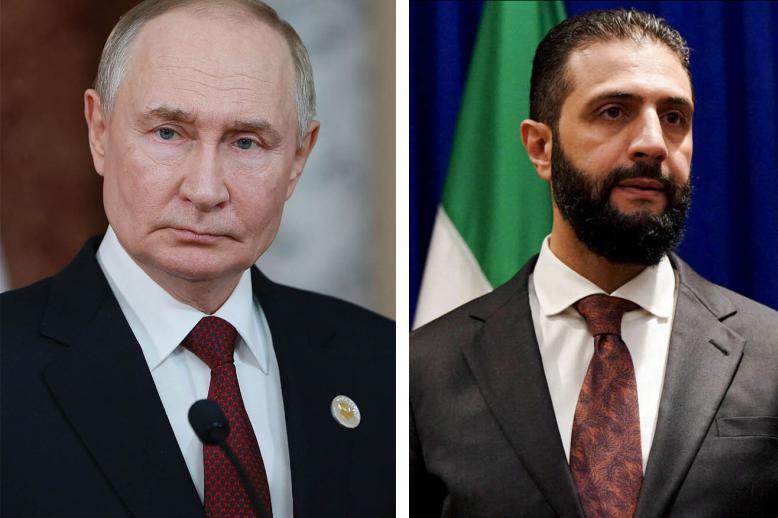
However, Moscow has since established working relations with Syrian President Ahmed al-Sharaa, the former rebel commander who emerged as the country's new leader after Assad's departure.
While Russian officials have not explained what a "reform" or "reformatting" of the facilities would involve, the discussions suggest both sides are seeking a new framework for cooperation rather than a complete rupture in relations.
The future of the bases carries significance far beyond Syria.
The naval facility at Tartus is Russia's only permanent repair, supply and logistics hub in the Mediterranean, providing support for naval deployments across the region.
Hmeimim, meanwhile, has evolved into a major military and logistical centre linking Russia's operations in the Middle East with its growing activities across Africa.
Since Assad's removal, analysts have debated whether Syria's new leadership would seek to curtail Russia's military role or maintain cooperation with Moscow as part of a broader effort to balance relations with multiple international partners.
The latest comments from the Russian Foreign Ministry indicate that both sides are exploring ways to preserve their relationship while adapting it to Syria's new political reality.
The negotiations suggest Moscow's immediate priority is no longer preserving the extensive political influence it enjoyed during the Assad era, but safeguarding strategic access to facilities that remain critical to its regional and global posture.
Under Assad, Russia enjoyed unparalleled influence within Syrian political, military and security institutions. That level of leverage is unlikely to survive under the new leadership, which has sought to cultivate a broader network of international relationships.
Instead, Russia appears focused on securing arrangements that guarantee continued access to Tartus and Hmeimim regardless of who governs Damascus.
Such an outcome would allow Moscow to maintain an important Mediterranean presence at a time when its geopolitical options elsewhere have become more constrained.
The importance of Tartus has grown as Russia seeks to preserve its ability to project naval power across the Mediterranean and North Africa. The facility enables Russian vessels to operate without relying exclusively on Black Sea infrastructure and remains central to Moscow's regional military logistics.
Hmeimim has become equally important, though for different reasons.
Originally established to support Russia's intervention in Syria, the air base has increasingly served as a logistical bridge connecting Russia with military, security and economic activities in Africa. Personnel and equipment moving between Russia and several African theatres frequently transit through Syria, making the base a vital node in Moscow's wider strategic network.
For Syria's new leadership, maintaining ties with Russia may also offer advantages.
The country faces the immense task of reconstruction and economic recovery after years of conflict. Continued engagement with Moscow could provide diplomatic support, military cooperation and economic opportunities while avoiding overreliance on any single foreign partner.
This points to a more pragmatic approach in Damascus, where the new authorities appear willing to retain relations with Russia despite the Kremlin's longstanding association with Assad.
The eventual outcome may be a smaller and less politically sensitive Russian presence focused on logistics, training and support functions rather than large-scale force deployment.
If so, the discussions now under way would mark not the end of Russia's role in Syria, but its transformation.
Rather than abandoning one of its most important Middle Eastern positions, Moscow appears to be adjusting to a post-Assad era in which strategic access matters more than political dominance, and where preserving influence may depend on flexibility rather than force.