

Long battle to bring weapons under state control enters implementation phase
State monopoly on arms moves from pledge to practice in Iraq
Groups including Kata'ib Hezbollah, Harakat al-Nujaba, Kata'ib Sayyid al-Shuhada, Saraya Awliya al-Dam and Ashab al-Kahf have signalled opposition to disarmament efforts.
Thursday 11/06/2026
Long battle to bring weapons under state control enters implementation phase
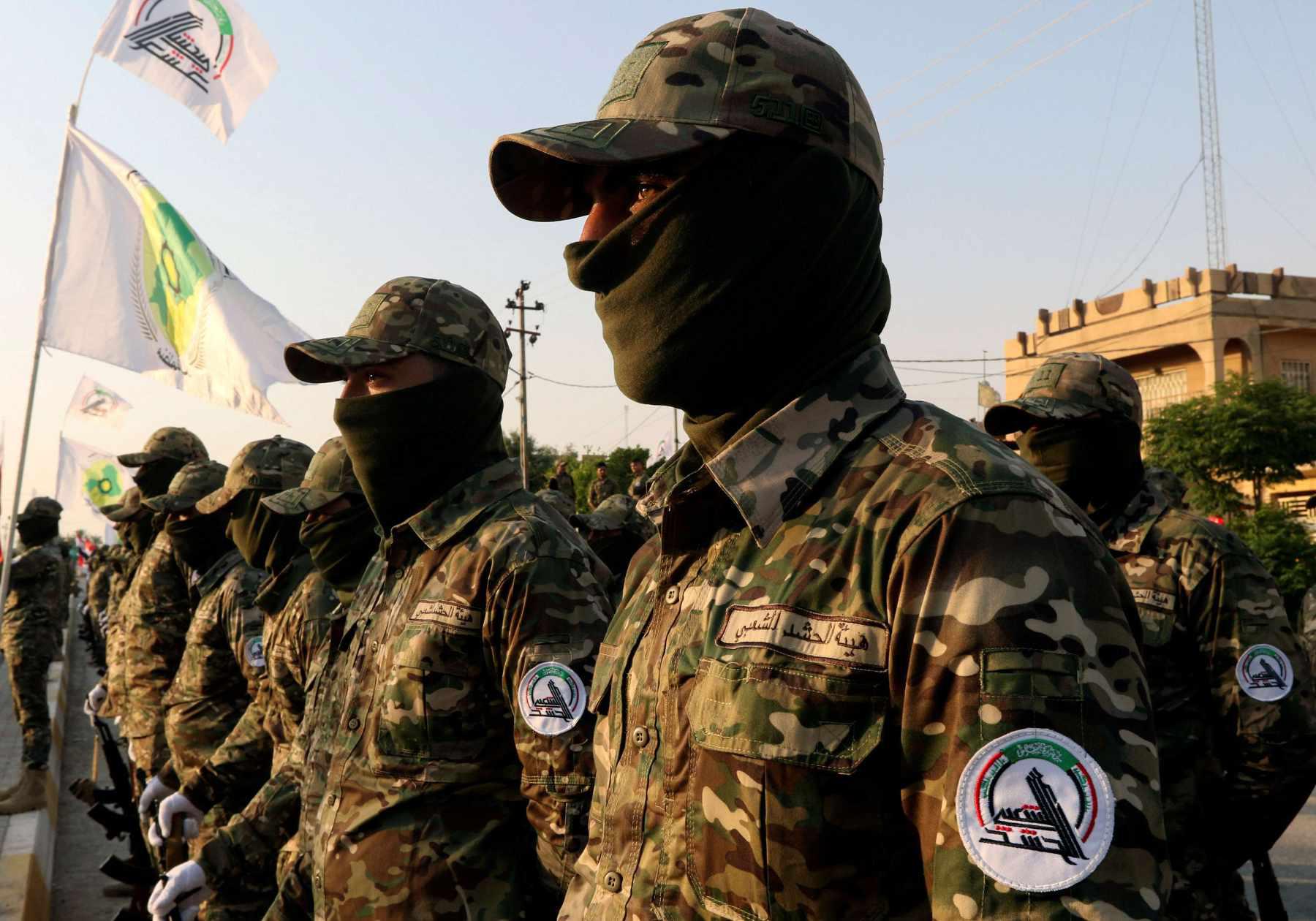
BAGHDAD – Iraq has taken its first practical steps towards bringing weapons under state control, launching what officials describe as a long-awaited process to integrate armed factions into the country's formal security institutions and curb the influence of powerful militias that have operated alongside state forces for more than two decades.
The move marks one of the most significant security initiatives undertaken by Prime Minister and Commander-in-Chief Ali al-Zaidi's government, which has repeatedly pledged to restore the state's monopoly over arms and strengthen Baghdad's independent decision-making.
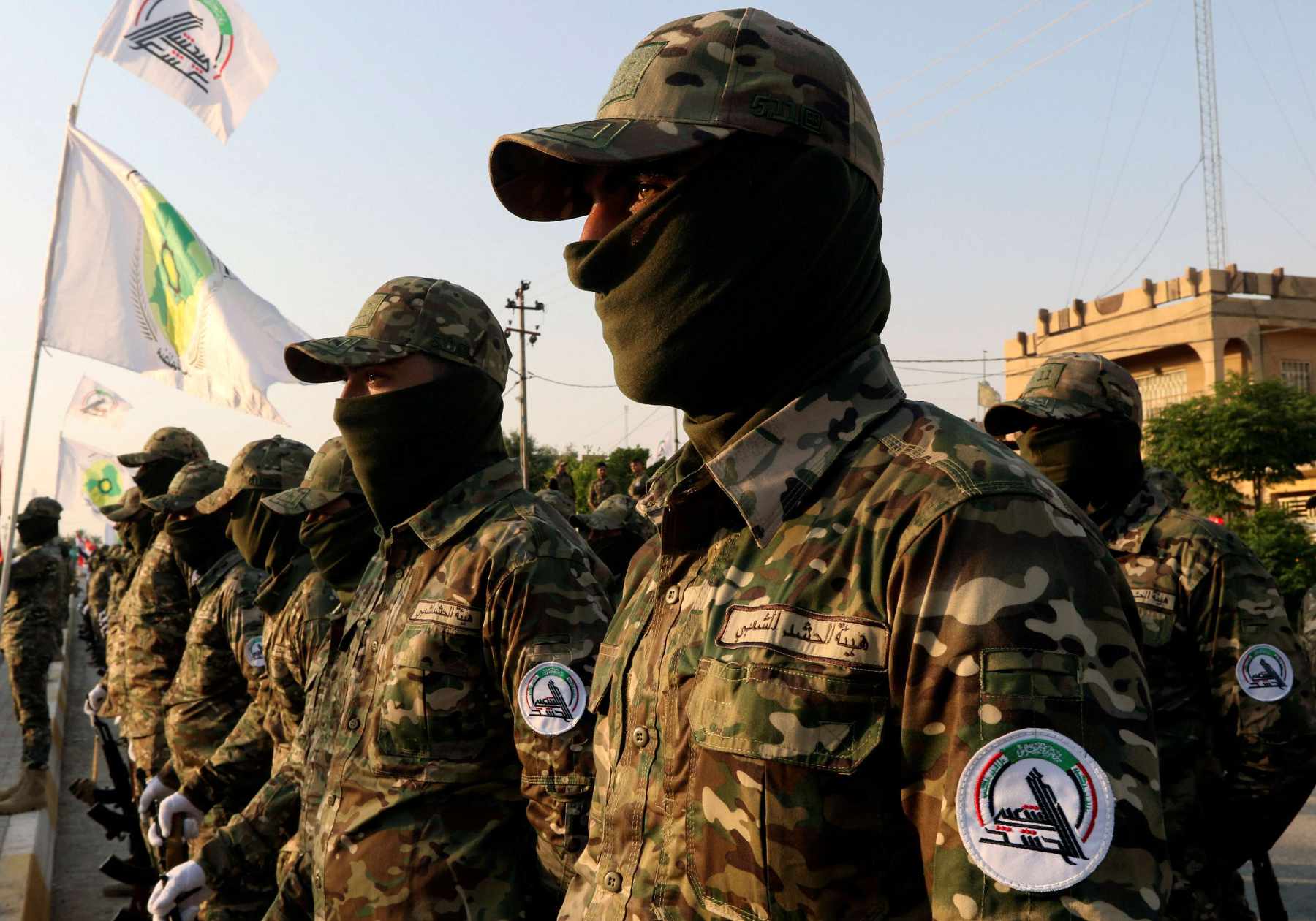
Lieutenant General Qais al-Muhammadawi, head of the committee overseeing the separation and integration process and deputy commander of Iraq's Joint Operations Command, supervised on Wednesday the handover of personnel records and data relating to weapons, equipment and vehicles belonging to Kata'ib al-Imam Ali, one of the armed factions that recently announced its withdrawal from the Popular Mobilisation Forces (PMF).
Iraq's Joint Operations Command said the transfer represented a preliminary step towards completing the integration process, restructuring armed formations and eliminating separate military titles and organisational identities outside the state's security framework.
The government described the move as part of broader efforts to consolidate stability, strengthen the rule of law and ensure that weapons remain exclusively under the authority of official state institutions.
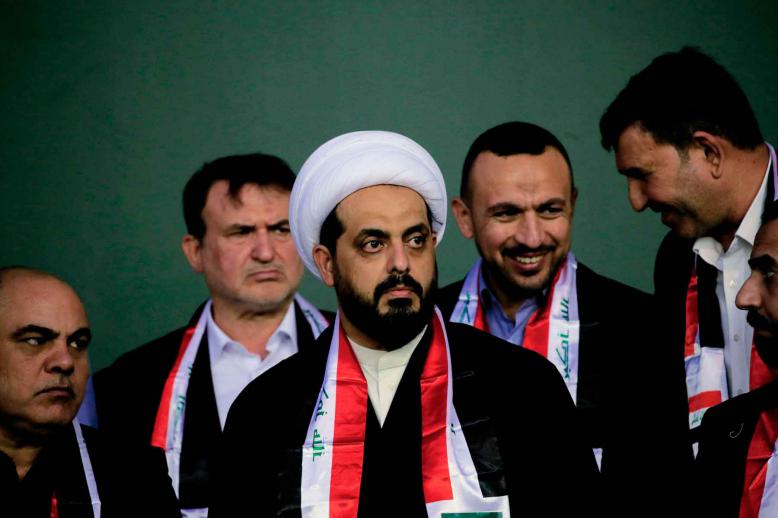
The development comes after several Shiite armed groups announced plans to disengage from the PMF structure and hand control of their armed formations to the state. Among them are Kata'ib al-Imam Ali, Asa'ib Ahl al-Haq and Saraya al-Salam, led by influential cleric Moqtada al-Sadr.
However, other powerful Iran-aligned factions have so far refused to join the process.
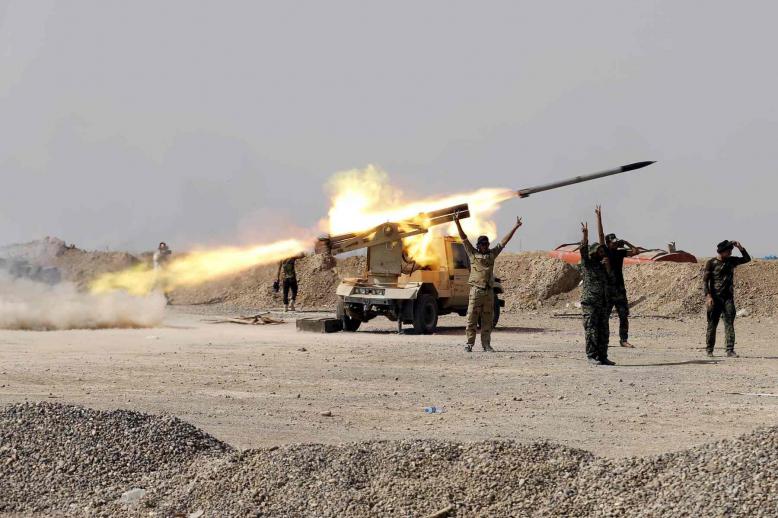
Groups including Kata'ib Hezbollah, Harakat al-Nujaba, Kata'ib Sayyid al-Shuhada, Saraya Awliya al-Dam and Ashab al-Kahf have signalled opposition to disarmament efforts, arguing that foreign military forces must first leave Iraq, a reference primarily to the continued presence of US troops.
Government spokesman Haidar al-Aboudi told reporters that the administration remained committed to restricting weapons to state control within a defined timeframe, although he did not specify a deadline.
"The state's monopoly over weapons will be achieved within a specific timeframe," he said, adding that Iraq would neither allow its territory to be used to launch attacks against other countries nor accept foreign interference in its domestic affairs.
Zaidi reiterated the government's position in a statement marking the anniversary of Islamic State's capture of Mosul in 2014, pledging to continue efforts to reinforce security, protect Iraq's sovereignty and ensure that arms remain solely in state hands.
The initiative represents a potentially transformative moment for Iraq's post-2003 security landscape.
Since the US-led invasion that toppled Saddam Hussein, Iraq has witnessed the emergence of numerous armed groups, many of them aligned with Iran and operating with varying degrees of autonomy from the state. Several developed substantial military, political and economic influence, at times rivaling official institutions and complicating Baghdad's efforts to exercise full authority.
The PMF itself was established in 2014 following a religious call to fight Islamic State after the group's lightning advance across northern Iraq. While the organisation was later incorporated into the state's security structure, many constituent factions retained independent command structures and political influence.
For successive Iraqi governments, balancing the role of these groups while maintaining state authority has remained one of the country's most sensitive challenges.
The latest steps suggest Baghdad is attempting to pursue integration rather than confrontation.
Officials appear keen to avoid a direct clash with powerful armed groups, many of which possess significant manpower, extensive weapons arsenals and deep political connections.
That approach reflects the reality facing Iraqi policymakers. While the government seeks to strengthen state institutions, forcing disarmament through military means could risk destabilising the country and reigniting internal conflict.
Instead, the strategy appears focused on encouraging voluntary integration, administrative restructuring and gradual incorporation of fighters into formal security bodies.
Whether that approach succeeds may depend on whether additional factions agree to participate.
The initiative also carries significant regional implications.
Washington has long pressed Baghdad to curb the influence of armed groups linked to Iran, particularly after some factions launched attacks against US interests following the outbreak of wider regional conflict earlier this year.
The United States has carried out strikes against several Iraqi armed groups in response, further straining relations between Baghdad and Washington.
For Iraq's leadership, bringing weapons under state control could help reduce those tensions while strengthening the government's ability to pursue a more independent foreign policy.
Yet the process remains politically delicate. Many of the factions resisting integration view their weapons as essential leverage against foreign military presence and as a safeguard against future security threats.
While the handover by Kata'ib al-Imam Ali represents a tangible first step, the broader effort remains at an early stage.
The success of the initiative will likely depend on whether Baghdad can persuade additional factions to follow suit without triggering a confrontation that could undermine stability.
For now, Iraqi authorities have moved beyond rhetoric and begun implementing a policy that governments have discussed for years. The coming months will show whether the process evolves into a genuine restructuring of Iraq's fragmented security landscape or encounters resistance from armed groups unwilling to surrender autonomy and influence.
At stake is not only the future of Iraq's militias, but also a broader question that has shaped the country since 2003: whether the state can ultimately become the sole authority over the use of force within its borders.