

Eastern Mediterranean boundaries back in focus
Greece seeks progress on maritime delimitation as Libya talks resume
The stated objective of the negotiations is the eventual delimitation of an exclusive economic zone between the two Mediterranean neighbours.
Thursday 11/06/2026
Eastern Mediterranean boundaries back in focus
TRIPOLI – Greece and Libya have resumed technical discussions on maritime boundary delimitation in the eastern Mediterranean, as Athens seeks to advance negotiations on an exclusive economic zone (EEZ) agreement while strengthening diplomatic engagement with both of Libya's rival centres of power.
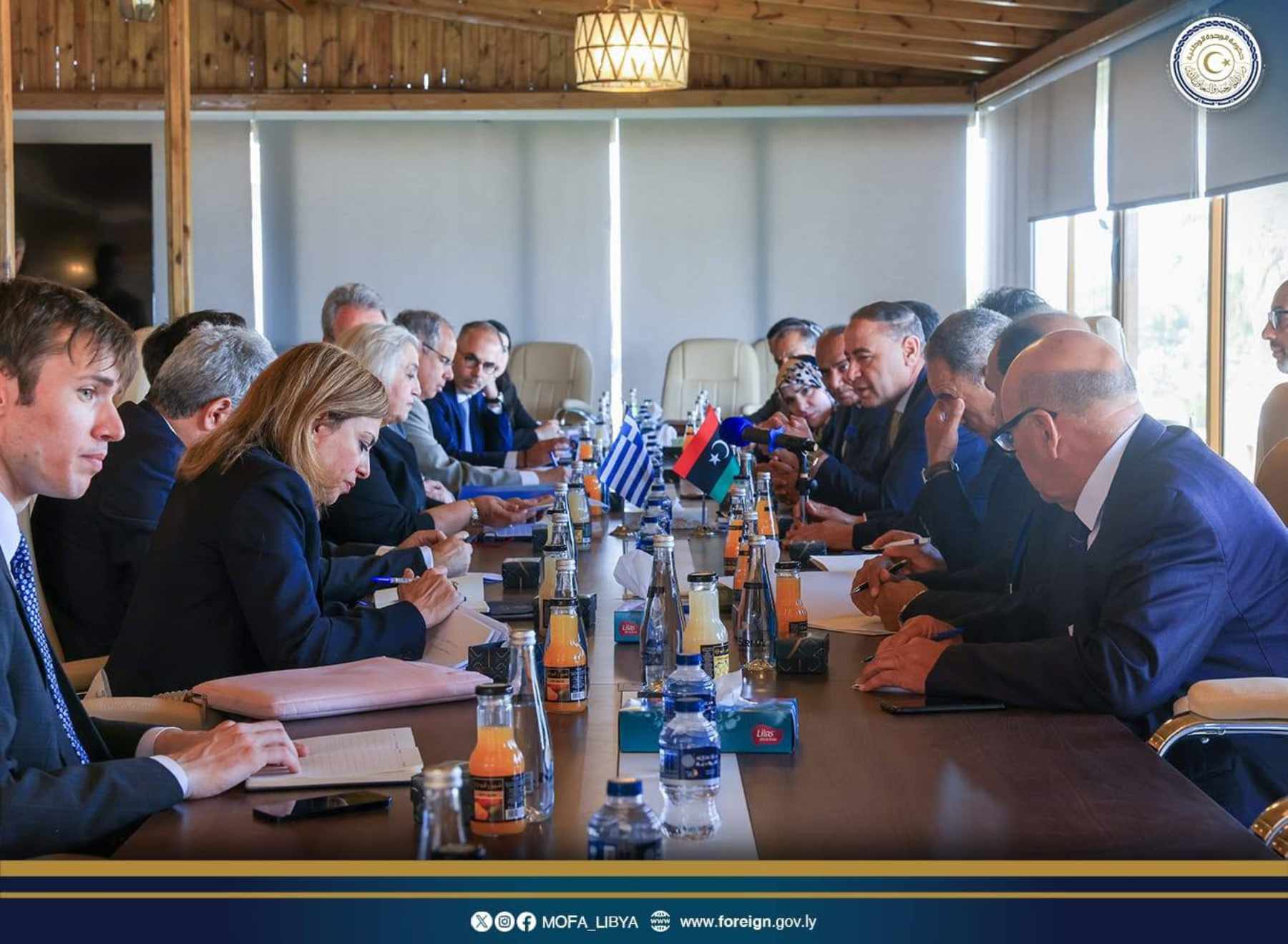
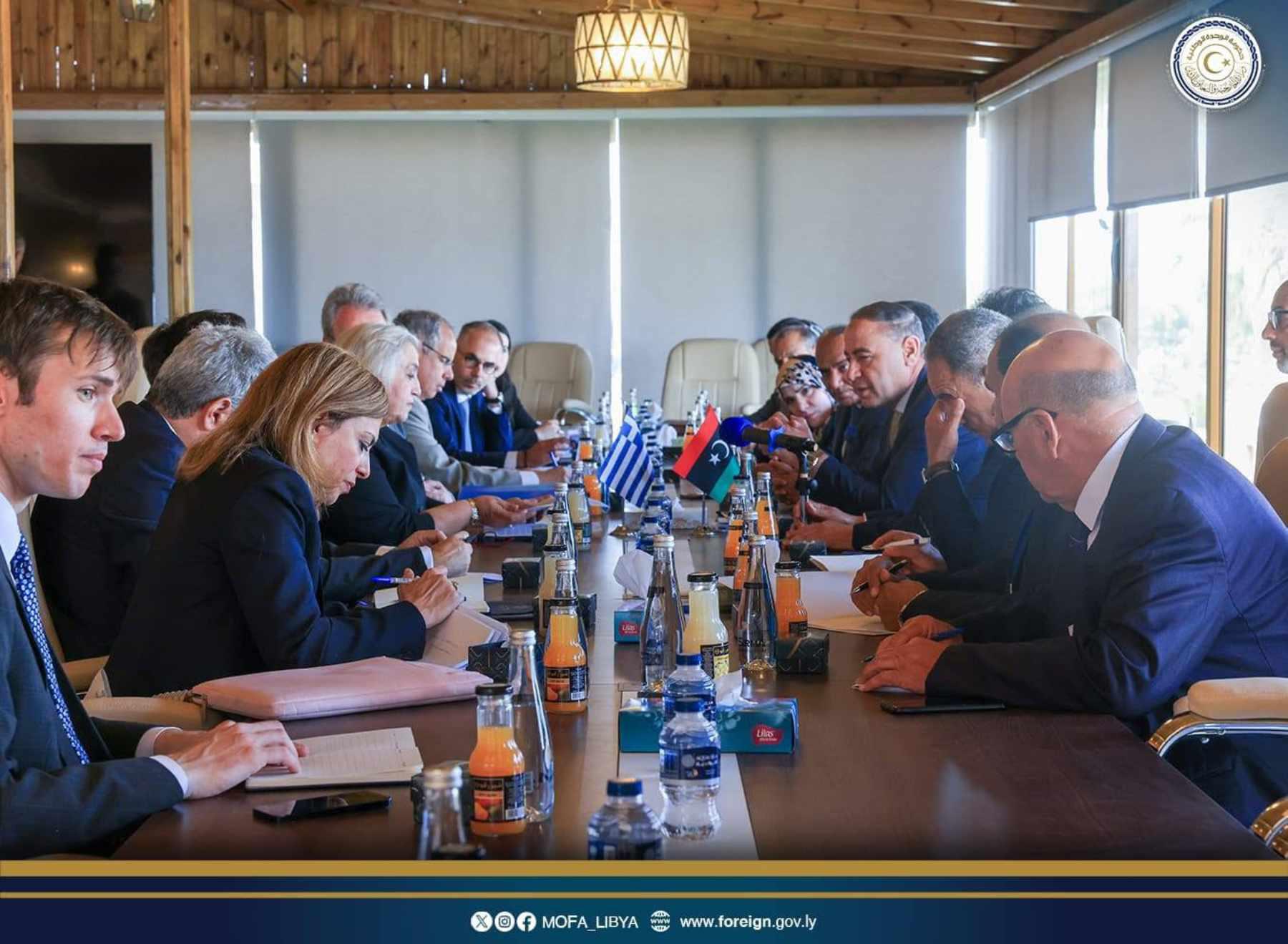
Greek Deputy Foreign Minister Alexandra Papadopoulou arrived in Tripoli this week for talks with Libyan officials ahead of a second round of technical discussions on maritime boundaries, a process aimed at defining the maritime zones and economic rights of the two countries in the eastern Mediterranean.
The discussions form part of a broader diplomatic initiative launched by Athens last year to establish a framework for maritime cooperation with Libya, despite longstanding disputes over competing territorial claims and energy exploration rights.
Papadopoulou met acting Libyan Foreign Minister Taher al-Baour on Wednesday, with both sides discussing bilateral relations, economic cooperation, energy projects and regional developments, according to Libya's Foreign Ministry.
The two officials also reviewed the work of the joint Libyan-Greek technical committee tasked with examining maritime boundary issues and reaffirmed their commitment to continuing dialogue in accordance with international law.
Both governments said they would maintain consultations in the coming months in a way that serves mutual interests and contributes to regional stability.
The stated objective of the negotiations is the eventual delimitation of an exclusive economic zone between the two Mediterranean neighbours, a process that would determine rights over offshore resources, including potential hydrocarbon reserves.
However, diplomats and analysts caution that substantial progress remains difficult due to several unresolved issues.
Among the most contentious is the 2019 maritime memorandum signed between Libya and Turkey, which established a maritime corridor across parts of the eastern Mediterranean and was strongly opposed by Greece, Cyprus and several other regional actors.
Athens argues that the agreement ignores the maritime rights of Greek islands and violates international maritime norms. Libya, meanwhile, has continued to recognise aspects of the arrangement despite changes in its political landscape.
Another point of contention concerns Libya's interpretation of maritime claims around the Gulf of Sirte, an issue that directly affects calculations of potential maritime boundaries and economic zones.
Greek officials have privately acknowledged that any comprehensive agreement would likely require adjustments by both sides, including possible revisions to existing Greek maritime claims.
The renewed talks come as eastern Mediterranean energy resources remain a strategic priority for countries across the region.
The area has emerged over the past decade as an important arena for competition over offshore gas reserves, maritime transport routes and energy infrastructure projects.
For Libya, which possesses Africa's largest proven oil reserves and is seeking to revive investment in its energy sector, resolving maritime issues could help provide greater certainty for future offshore exploration.
For Greece, an agreement with Libya would strengthen its broader effort to establish internationally recognised maritime boundaries across the eastern Mediterranean and reduce the risk of future disputes.
The discussions also coincide with efforts by both countries to expand economic cooperation beyond maritime affairs, including investment, trade and infrastructure development.
Papadopoulou's visit also reflects growing Greek concerns over migration flows originating from Libya.
Athens has increasingly focused on departures from eastern Libya, which has become an important route for migrants attempting to reach Europe through the Mediterranean.
Greek officials have sought closer cooperation with Libyan authorities on migration management while maintaining relations with both the internationally recognised authorities in Tripoli and eastern-based figures aligned with military commander Khalifa Haftar.
The dual-track approach underscores Greece's efforts to navigate Libya's fragmented political landscape, where competing institutions continue to exercise authority over different parts of the country.
Despite the continuation of talks, expectations for a breakthrough remain modest.
Officials on both sides have characterised the discussions as part of a gradual confidence-building process rather than negotiations likely to produce an immediate agreement.
The complexity of the maritime issues, combined with Libya's internal political divisions and broader regional rivalries involving Turkey and other Mediterranean states, means any eventual settlement is likely to require lengthy negotiations.
Nevertheless, the decision to continue technical discussions and high-level diplomatic contacts suggests both Athens and Tripoli see value in maintaining dialogue at a time when maritime security, energy interests and migration pressures are becoming increasingly intertwined across the eastern Mediterranean.
For now, the talks represent an attempt to keep diplomatic channels open and explore areas of cooperation, even as some of the most sensitive disputes in the region remain unresolved.