

Reform under the spotlight
Abbas launches long-awaited electoral roadmap amid calls for reform
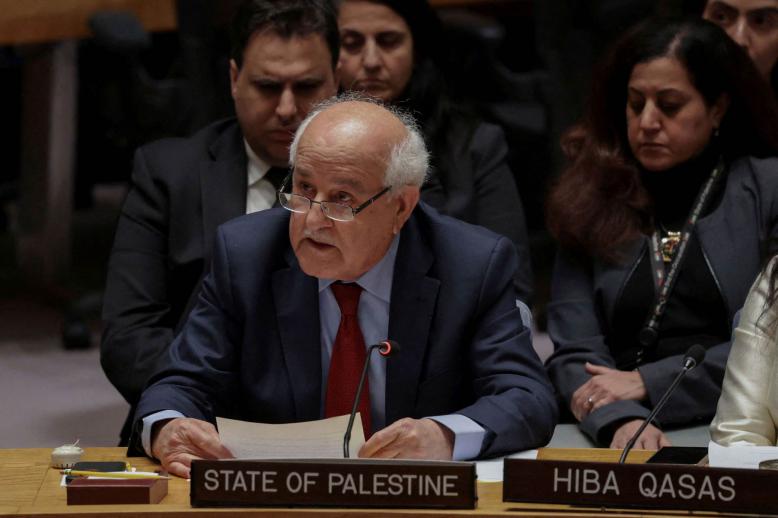
For many Palestinians, the newly-announced electoral roadmap represents a rare opportunity to renew institutions that have remained largely unchanged for nearly two decades.
Tuesday 16/06/2026
Reform under the spotlight
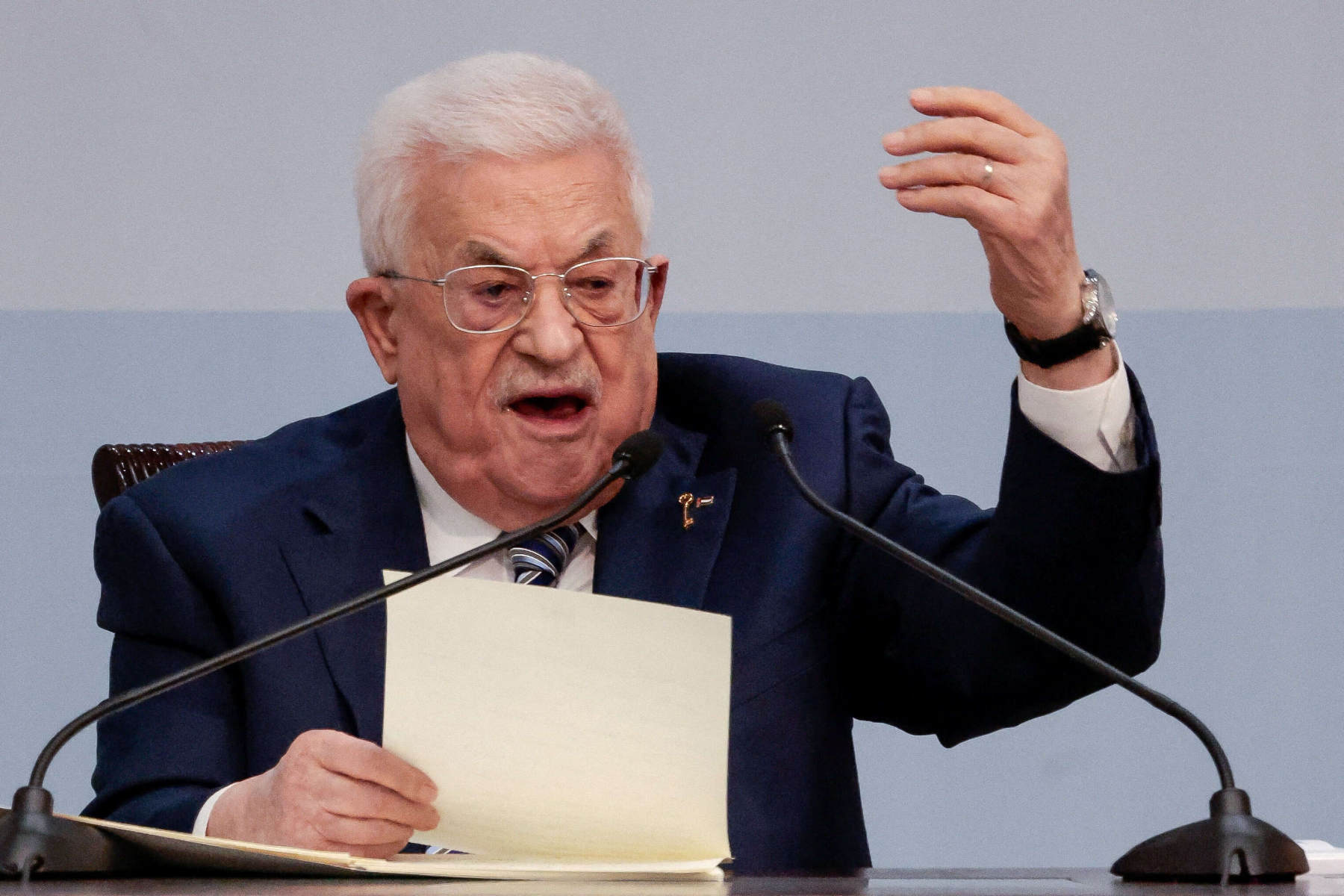
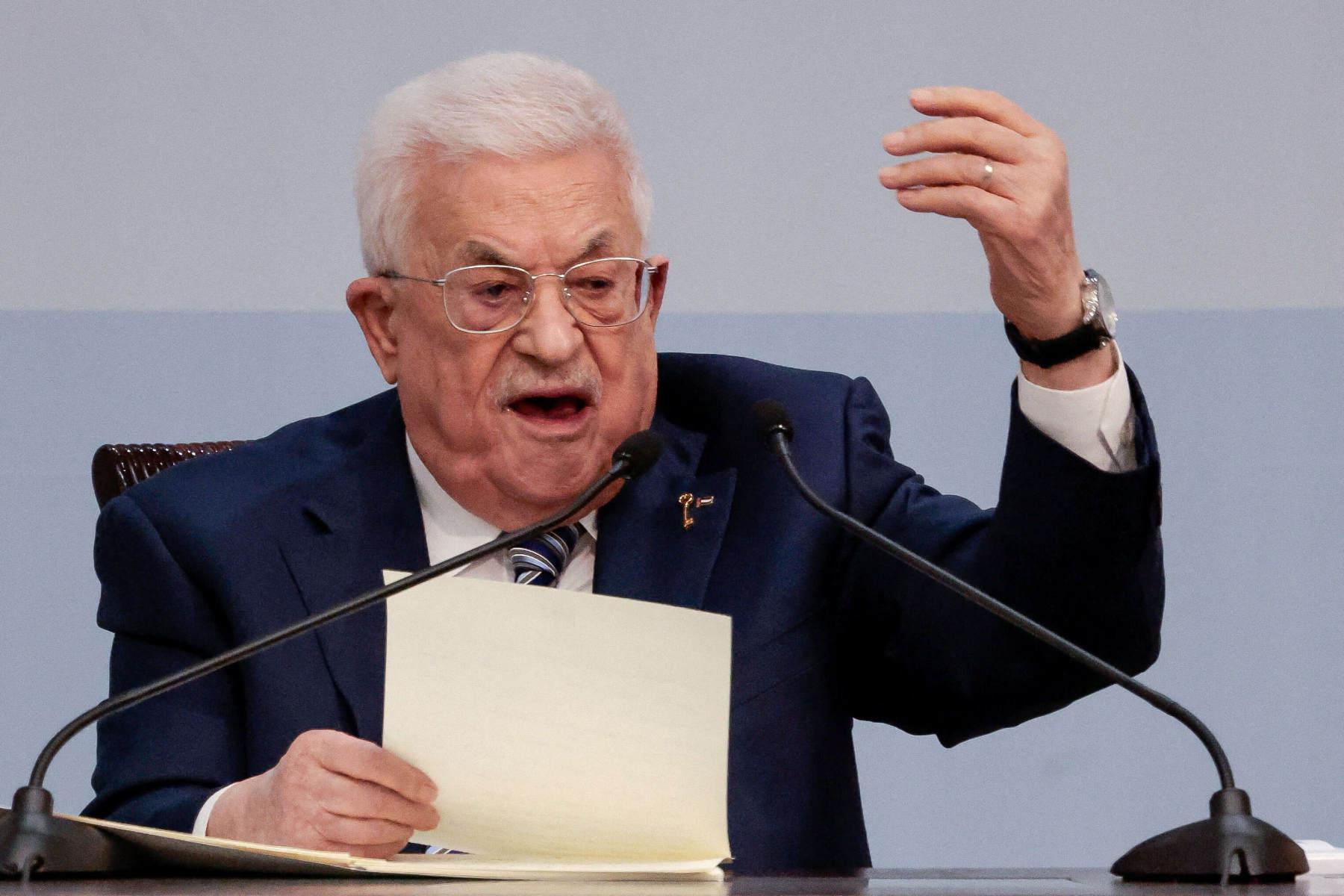
RAMALLAH – Palestinian President Mahmoud Abbas has announced plans for presidential elections in early 2027 and legislative elections in November this year, unveiling the most significant electoral timetable in years and raising hopes of a revival of Palestinian political institutions after nearly two decades of deadlock.
The announcement marks the first formal commitment to a presidential vote since Abbas, now 90, was elected in 2005. His original four-year mandate expired in 2009, but no subsequent presidential election has been held, leaving him to govern largely through presidential decrees amid mounting domestic criticism and international calls for reform.
In a statement carried by the official WAFA news agency, the Palestinian presidency said Abbas had issued a decree launching preparations for a presidential election in early 2027 while also calling for legislative elections to be held in November this year.
The move is being viewed as one of the most consequential political initiatives undertaken by the Palestinian leadership in recent years, coming at a time when the Palestinian Authority faces persistent questions over legitimacy, governance and representation.
Abbas also reiterated his commitment to broader electoral participation within Palestinian institutions, saying he was "fully prepared to organise the Palestinian National Council elections scheduled for November, which include the general legislative elections in the homeland and elections abroad."
The Palestinian National Council, the parliament of the Palestine Liberation Organisation (PLO), includes more than 700 representatives from the Palestinian territories and diaspora communities worldwide.
The planned elections would be the first legislative vote since 2006, when Hamas defeated Abbas' Fatah movement in a landmark election that transformed the Palestinian political landscape. The aftermath of that vote and the subsequent split between Fatah and Hamas left Palestinian institutions deeply divided, with the Palestinian Legislative Council effectively paralysed and no longer functioning since 2007.
The latest announcement comes against the backdrop of growing international pressure on the Palestinian Authority to implement political reforms and strengthen democratic accountability. Donor countries and international partners have repeatedly linked financial and diplomatic support to governance reforms and institutional renewal.
Political analyst and legal researcher Mahmud al-Afranji said both internal and external factors were pushing the leadership towards elections.
"There is political will and international pressure" to move forward with the vote, he said.
Yet significant obstacles remain.
Afranji warned that uncertainty surrounding voting arrangements in occupied East Jerusalem and the Gaza Strip could once again jeopardise the electoral process.
Those same issues derailed a previous election initiative in 2021, when Abbas announced legislative and presidential elections only to postpone them indefinitely after Israel failed to provide guarantees that Palestinians in occupied East Jerusalem would be allowed to participate.
The question of Jerusalem remains particularly sensitive for the Palestinian leadership, which views the city as an integral part of any future Palestinian state and insists that its residents must be able to vote in national elections.
The challenge of organising elections in Gaza also remains unresolved amid the territory's political divisions and the continuing fallout from the war that erupted in October 2023.
The announcement follows municipal elections held in the occupied West Bank in April, the first Palestinian vote since the outbreak of the Gaza war. Although limited to local governance, the elections were seen as an important test of the Palestinian Authority's ability to conduct democratic processes under difficult conditions.
The European Union welcomed those municipal polls as an important step towards broader democratisation and stronger local governance, describing them as part of an ongoing reform process.
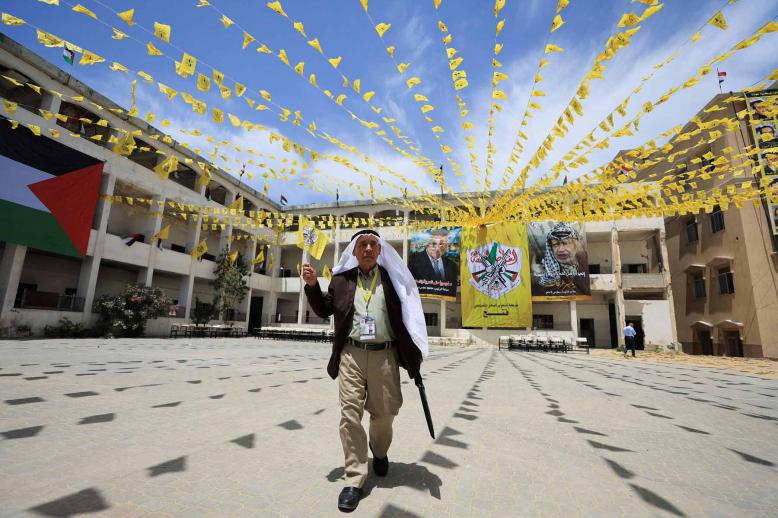
For many Palestinians, the newly-announced electoral roadmap represents a rare opportunity to renew institutions that have remained largely unchanged for nearly two decades.
The Palestinian Authority has faced increasing criticism in recent years over allegations of corruption, bureaucratic stagnation and a widening gap between political leaders and the public. At the same time, younger generations of Palestinians have grown up without ever participating in a presidential or legislative election.
Whether the latest timetable can be implemented, however, may depend on overcoming the same political and logistical hurdles that frustrated previous attempts, particularly in East Jerusalem and Gaza.
With presidential and legislative elections absent from Palestinian political life since 2006, many observers see the new roadmap as a critical test of whether long-promised reforms can finally be translated into concrete political change.